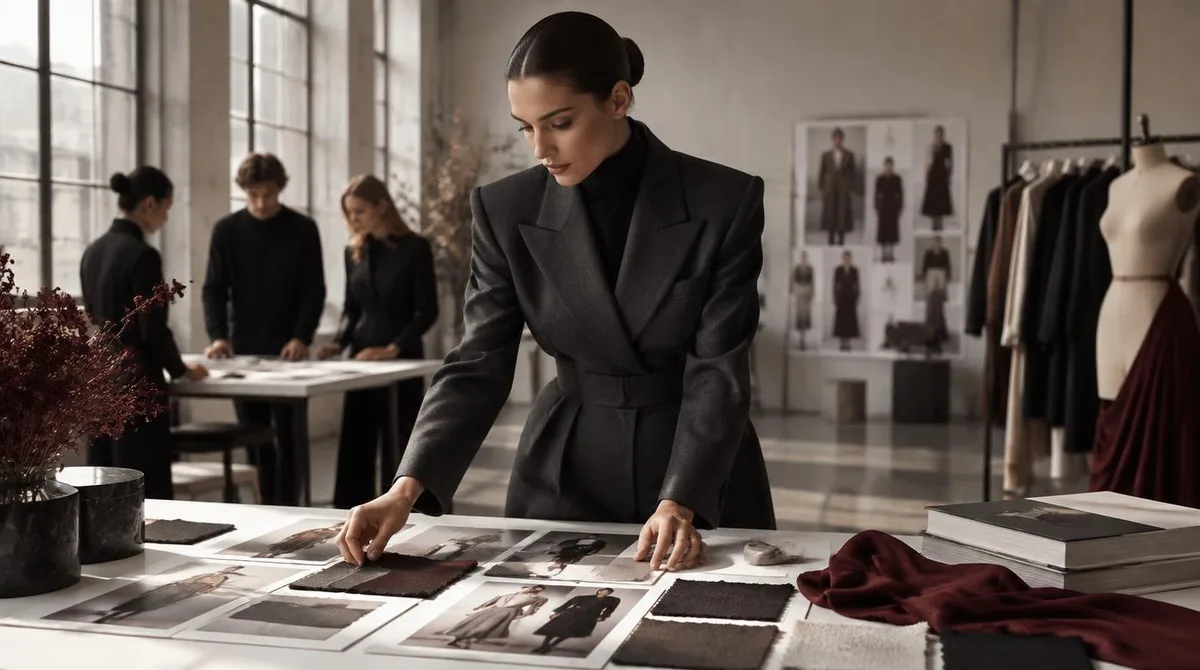
A style newsletter worth subscribing to does one narrow thing, on a schedule the reader can set a watch by, in a voice no aggregator can fake. It survives past launch week because it is built like a structure, not thrown like a party. As Wikipedia puts it in its entry on the subject, a building is an enclosed structure with a roof and walls that stands permanently in one place — and permanence in one place is exactly the standard a personal letter should meet.
The failure mode is familiar. A writer launches with enthusiasm, sends three issues in ten days, then goes quiet when the novelty wears off. The reader never learns what the letter is for. The fix is unglamorous: decide the promise before the first send, and let every issue pay against it.
What promise should a style newsletter make?
The promise is the single sentence that tells a reader what they get and what they will never get. "One considered buy per week, and why it beats the cheaper version." "Runway looks translated into what a real wardrobe can absorb." "Resale and cost-per-wear math, no hype." A promise this small feels risky. It should. Specificity is the whole product. For related coverage, see Fast Fashion Impact: The Real Cost of Fast Fashion vs. Considered Design.
Test the promise against three questions. Can you produce it weekly or fortnightly without borrowing material? Would a reader notice within one issue if someone else wrote it? Does it exclude things you will be tempted to cover anyway? If the third answer is no, narrow it again. The letters that last are the ones that say no in public.
What should each issue actually contain?
Fix a shape and keep it. A workable issue runs four blocks: the one thing worth reading this week, stated in two sentences; the analysis, where you say what it means and take a position; a short practical note the reader can act on; and one link out, chosen rather than dumped. Same order every time. The reader stops decoding and starts reading.
Take positions. A style letter that only reports is a slower news feed. The verdict is the value — this cut works, this fabric will not survive the season, this claim does not survive contact with the care label. Precision earns trust faster than volume. Describe the garment the way a pattern cutter would: where the seam sits, what the cloth does when it moves, whether the lining is stitched or glued.
How do you keep the cadence after launch week?
Cadence is a logistics problem, not a motivation problem. Pick the lowest frequency you can defend — fortnightly beats a monthly apology. Draft against a running list, not a deadline: every time you notice something a reader would want, it goes on the list with a sentence of why. An issue then assembles from stock instead of being invented from nothing.
Practical steps, in order:
- Write the promise sentence and put it in the footer of every issue.
- Fix the four-block shape and the send day. Never vary either.
- Bank three issues before you announce anything. Launch on issue four.
- Keep a capture list. Ten minutes of noting daily beats three hours of staring weekly.
- After each send, write down one thing the issue lacked. Fix only that next time.
The banked issues matter most. They absorb the weeks when real life intervenes, and they let the first impression be a finished habit rather than a hopeful one.
How do you grow without losing the letter?
Growth follows the promise, not the other way round. Write the letter as if a thousand careful readers already subscribe, and let the archive do the selling — every public issue is an audition for the next subscriber. Republish the best block as a short public post that ends by naming what subscribers got that free readers did not. That is the whole funnel.
Resist the two temptations. Do not chase the news cycle; a style letter that reacts to everything stands for nothing. Do not add sections to please everyone; a second promise dilutes the first. If a topic keeps pulling at you — say, how trend cycles actually form, or how a fashion desk verifies a story before it runs — consider whether it deserves its own narrow letter rather than a section in this one. This connects to our earlier piece, Style News: How Fashion Desks Actually Source, Verify and Break Stories.
What this means for the buy-less reader
For the reader, a good style letter is a filter with a face. It replaces the infinite scroll with one person's judgement, delivered on time. For the writer, it is a craft practice: a fixed form, a kept promise, and the willingness to be specific in public, every fortnight, indefinitely. Build it that way and it stands. Build it as a launch and it becomes another quiet archive nobody opens.