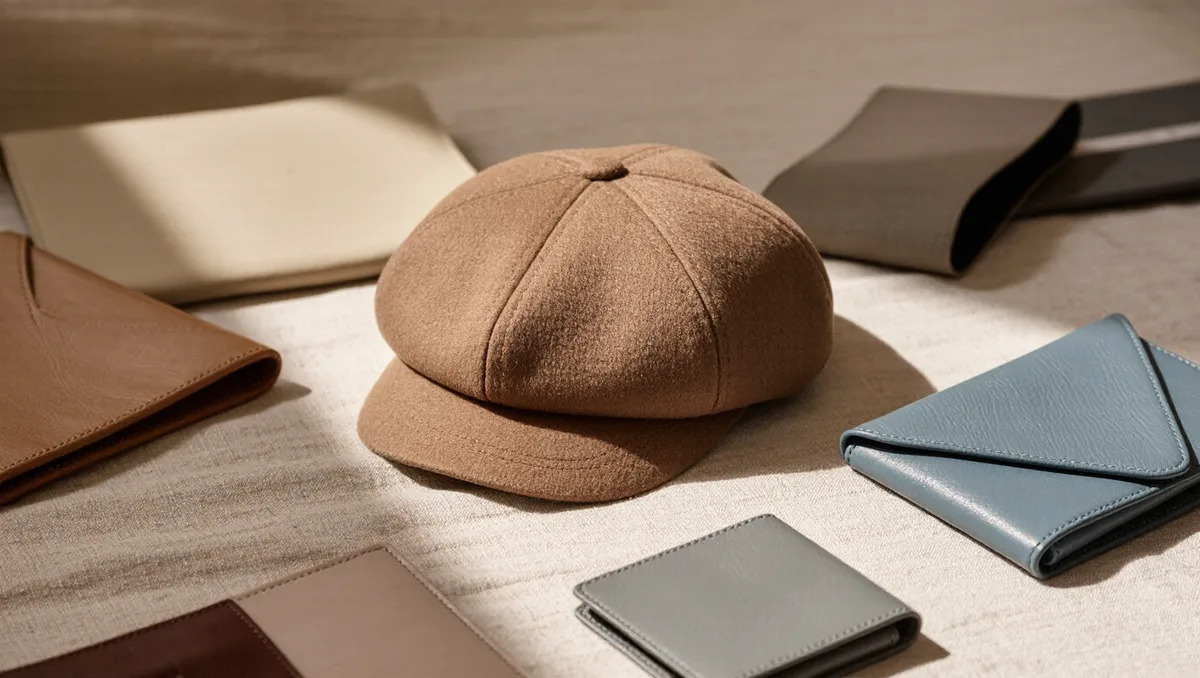
The newsboy cap works now when it is worn as tailoring, not as nostalgia. The version worth buying has a firm, structured crown, a short brim and a muted fabric. The version that fails is loose, slouchy and paired with other period pieces, which turns the whole outfit into fancy dress.
The cap has cycled back into menswear and womenswear repeatedly, and each revival succeeds only when the surrounding clothes are of the wearer's own decade. A wool eight-panel cap over a modern overcoat reads considered. The same cap with a waistcoat, pocket watch chain and braces reads like a hire from a costume shop. The difference is restraint everywhere else. This connects to our earlier piece, The Met Gala 2026 Theme Is Here — and It Puts Clothes Inside the Museum.
This guide sets out what separates a well-made cap from a cheap one, which fabrics and shapes hold their line, and how to build outfits around it in cold and mild weather. The advice is general craft knowledge, not a survey of specific collections, and it applies equally to the flat cap and its fuller-crowned cousin.
What exactly is a newsboy cap, and how is it different from a flat cap?
A newsboy cap, sometimes called a baker boy or eight-panel cap, is a soft, rounded cap built from eight triangular panels that meet at a button on top. A flat cap has a single flat panel and a shallower silhouette. The newsboy sits fuller on the head, which is precisely why it tips into costume more easily: there is more crown to get wrong.
The two share a short, stiff brim that is usually sewn rather than clipped on. On a good cap the brim holds its curve without help. On a poor one it flops within a week, and no amount of styling rescues it.
How should a newsboy cap actually fit?
The fit is the whole game. The crown should fill out without straining the seams, and the brim should sit just above the brow, never pressing on it. A cap worn too far back looks sloppy; one pulled too low looks like a disguise. The sides should follow the head's line rather than flare out like ears.
Measure around the head just above the ears and buy to that number, not to a hopeful size. Wool and tweed give a little with wear; lined cotton gives almost none. If the cap is sized between two options, the smaller one usually ages better, because a stretched cap never returns.
Which fabrics hold their shape, and which age badly?
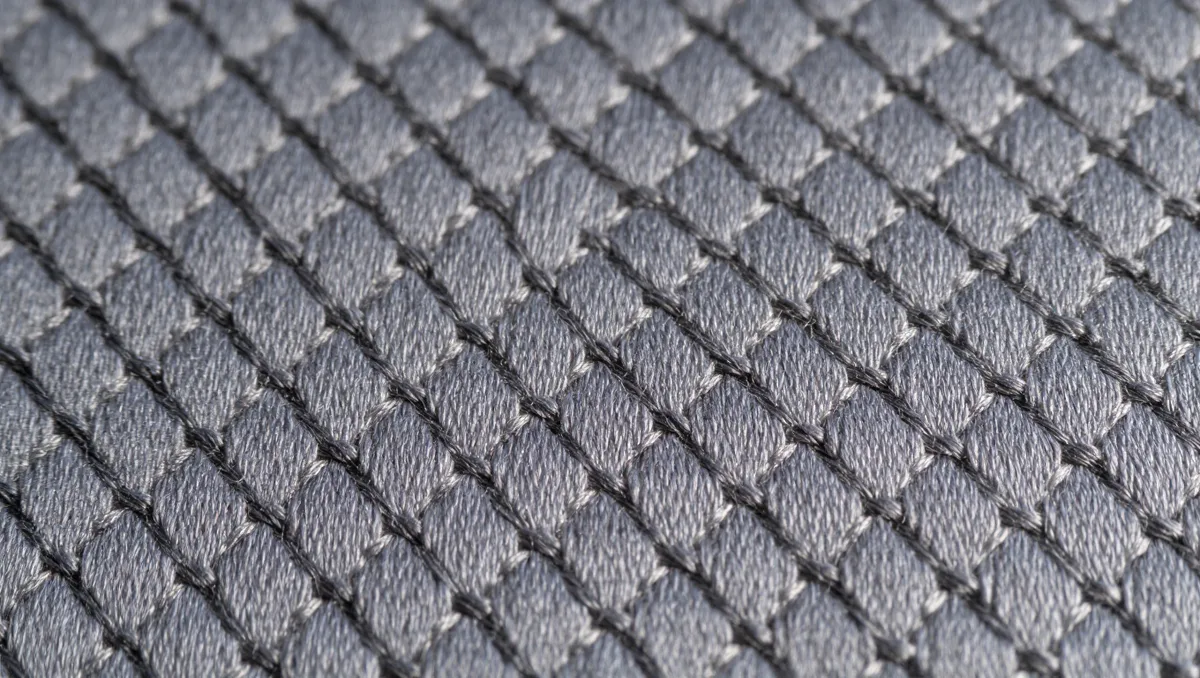
Fabric decides whether the cap keeps its architecture. The reliable choices are dense wools: tweed, melton, flannel and herringbone weaves. They hold the eight-panel structure and soften without collapsing. Corduroy works in autumn. Linen and cotton drill suit summer but rarely hold a crisp crown, so accept a softer look or choose a lined version.
Avoid thin synthetic felts and anything with a shiny surface. They pill, they lose the crown's line, and they photograph cheap. Our analysis is simple: the cap is a small garment, so material quality is affordable here in a way it may not be in a coat. Spend on the wool.
How do you wear it with modern tailoring?
The strongest pairing is the cap with clean, current clothes. Three reliable formulas:
- With an overcoat. A camel, navy or charcoal overcoat, a fine knit underneath and dark trousers. The cap becomes the only period note in the outfit, which is exactly what you want.
- With tailoring. A soft-shouldered suit in a plain cloth takes a grey or brown cap well. Match the cap's undertone to the suit's: grey with grey, brown with brown or camel.
- With workwear. Raw denim, a chore jacket and boots. Here a tweed cap adds texture rather than costume, because the rest of the outfit is already utilitarian.
The rules to break are the ones that drag the look backward. Skip the matching waistcoat. Skip the pocket square in a contrasting silk. Keep eyewear modern. One vintage object per outfit is a style decision; two or more is a re-enactment.
What about colour and pattern?
Start with grey, brown or navy in a quiet weave. Herringbone and small checks read as texture from a distance and stay restrained. Loud tartans and bright plaids pull the eye to the head, which is rarely where you want attention in a tailored outfit. If you want pattern, keep the coat plain. If the coat has pattern, keep the cap solid.
For women, the same logic holds with one addition: the cap sits well over longer hair worn down, and a darker crown balances a lighter coat. The fit rules do not change.
What should you check before buying?
- Construction. Look inside. Panels should be lined or neatly finished, and the brim should have a firm interlining. If the lining is glued rather than stitched, walk away.
- The button. The top button should be sewn through all eight panels, tight, with no wobble.
- The brim's memory. Press it gently. It should spring back to its curve.
- The ear flaps. Fold-away flaps add bulk at the crown seam. Buy them only if you will use them.
- Provenance. A maker who names the mill and the weave is telling you something checkable. That habit of asking how a thing is made applies far beyond caps; it is the same discipline behind reading a sustainability claim before you believe it.
Cost per wear favours the cap, because a well-made wool cap is worn through whole winters and outlives several coats. That arithmetic is the quiet case for buying one good cap rather than three cheap ones — the same reasoning we set out in our comparison of fast fashion against considered design. Readers following this should also see The Real Cost of Fast Fashion vs. Considered Design.
What this means for the season ahead
The cap's return is best treated as a small, useful accessory revival, not a mandate. It solves a real problem — warm heads in cold months without the bulk of a hood — and it does so with more character than a beanie. Buy one in a dense wool, fit it properly, and let everything else in the outfit stay firmly of the present. That is the entire trick.
Sources: agrofoto.pl