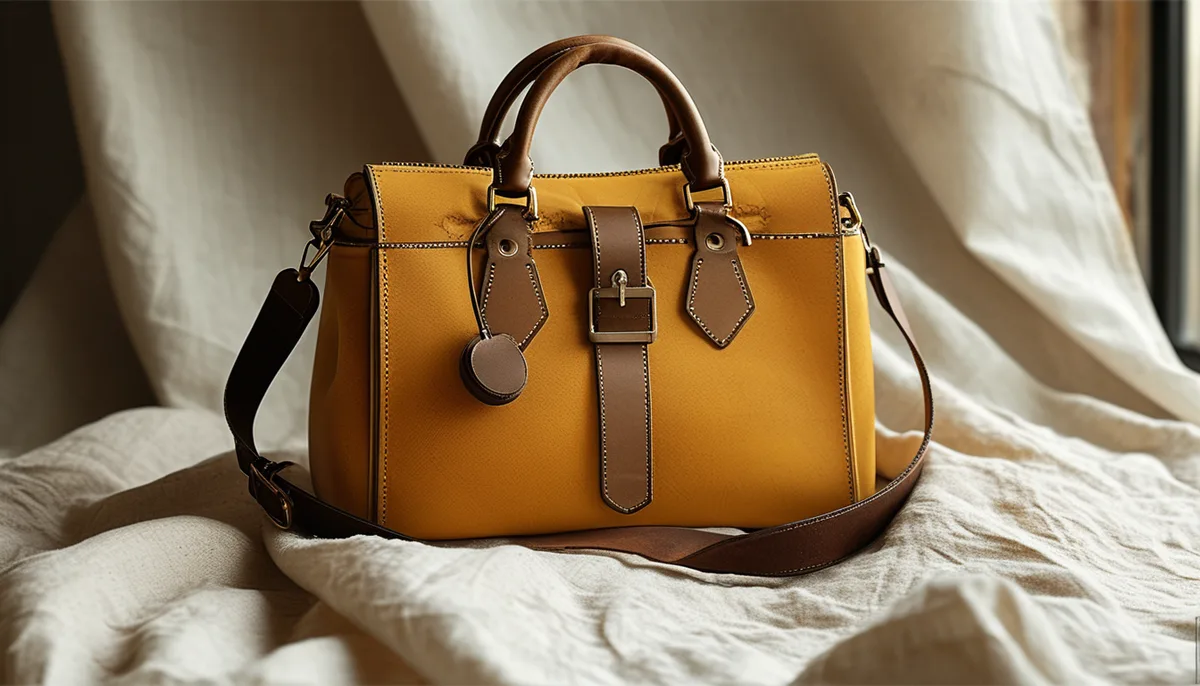
Fast fashion is cheap at the checkout because its costs are moved elsewhere: into polluted rivers, into landfills, and into the wages of the people who sew the clothes. The Economics Observatory puts the price plainly — the fast fashion business model is built on the exploitation of both the environment and people, creating wider negative economic implications across a number of dimensions. Considered design costs more because it refuses to make that trade.
The Economics Observatory notes that around 300 million people work in the fashion industry and its supply chains, with global revenues of $1.55 trillion in 2021 — yet the benefits of that profit are highly imbalanced. Meanwhile, the same reporting shows how the model works: thinner materials, simplified construction, and a trend cycle accelerated from two seasons a year to weekly drops. A garment made to be worn a handful of times is not a bargain. It is a rental with no return.
What does fast fashion actually cost the environment?
Start with water. According to the UN Environment Programme, cited by the David Suzuki Foundation, fashion is the second-largest industrial consumer of water, using 93 billion cubic metres a year — enough to meet the consumption needs of five million people. Textile dyeing contributes about 20 percent of global wastewater, and much of it is toxic enough that no treatment can make it safe again.
Carbon comes next. The industry is responsible for roughly eight to ten percent of global emissions — more than aviation and shipping combined, as the David Suzuki Foundation reports. And the waste is structural: almost 87 percent of total fibre input used for clothing is burned or landfilled, and about a quarter of new garments are never sold at all. Synthetic fibres shed microplastics in the wash; a 2017 study estimated that about 35 percent of microplastics in the ocean come from laundering synthetic textiles. For related coverage, see The Met Gala 2026 Theme Is Here — and It Puts Clothes Inside the Museum.
Who pays the human cost of cheap clothes?
The people who make the garments. The David Suzuki Foundation documents low wages, poor working conditions, long unregulated hours and weak labour rights across the supply chain, and records the 2013 Rana Plaza factory collapse in Bangladesh, which killed 1,100 people. The same reporting notes that a survey in an Indian textile mill found 60 percent of employees were under 18 when they began working.
Quality is part of this story, not a separate one. When pattern cutting is simplified and materials are thinned to hit a price point, seams burst and fabric pills after a few wears. As the Economics Observatory observes, it is then cheaper for the consumer to throw the garment away than to repair it. Disposable construction and disposable labour come from the same logic: nothing in the chain is meant to last.
Why does considered design command a premium?
Because it pays for the things fast fashion strips out. Slower production means better materials, more durable construction, and time at the bench rather than on the line. It also means paying for skill — the hands that finish a seam, set a sleeve or cut a pattern so a garment keeps its shape after a hundred wears, not five.
Our analysis: the premium is not really a markup on virtue. It is closer to an honest accounting. A well-made coat that lasts a decade can cost less per wear than five cheap coats replaced each season — the house question is always how it is made, how long it will last, and what it really costs per wear. That arithmetic only works if the garment is built to survive the decade, which is precisely what rapid-cycle production cannot afford to do.
There is a second premium, less visible: urgency. Fast fashion runs on countdown clocks, "only two items left" notices and limited-time delivery offers. The UK's Competition and Markets Authority, cited by the Economics Observatory, argues these tactics create a false sense of urgency to pressure hasty decisions. Considered design sells without a timer. That patience has a price, and it is a fair one.
What this means for your next purchase
A few practical checks, in the spirit of buying less and choosing better:
- Read the fabric label first. Polyester, nylon and acrylic are fossil-fuel fibres that shed microplastics and do not biodegrade, as the David Suzuki Foundation explains.
- Look inside the garment. A glued lining or a burst-prone seam tells you more about longevity than any label on the outside.
- Be sceptical of eco-language without a named certification behind it — our guide on how to spot greenwashing in luxury fashion before you buy walks through the tells.
- Do the per-wear arithmetic before the price comparison. A garment worn fifty times is a different purchase from one worn twice.
None of this requires a bigger budget so much as a slower decision. The most sustainable garment, as the reporting above makes clear, is usually the one already hanging in your wardrobe.
Is the gap between the two models closing?
Not quickly. The Economics Observatory projects the sector's revenues rising toward $2 trillion by 2026, and the UN Framework Convention on Climate Change projects textile manufacturing emissions climbing 60 percent by 2030, as reported by Earth.Org. Meanwhile the volume problem grows: people now consume around 80 billion new pieces of clothing a year, a 400 percent increase from two decades ago, according to figures cited by the David Suzuki Foundation.
What is changing is the scrutiny. Regulation, resale and repair are entering the conversation, and readers who once measured style by newness increasingly measure it by provenance. The houses that survive that shift will be the ones that can answer the honest questions — about dyes, wages and decades of wear — without flinching. That is not a trend cycle. It is a reckoning, and it is overdue.