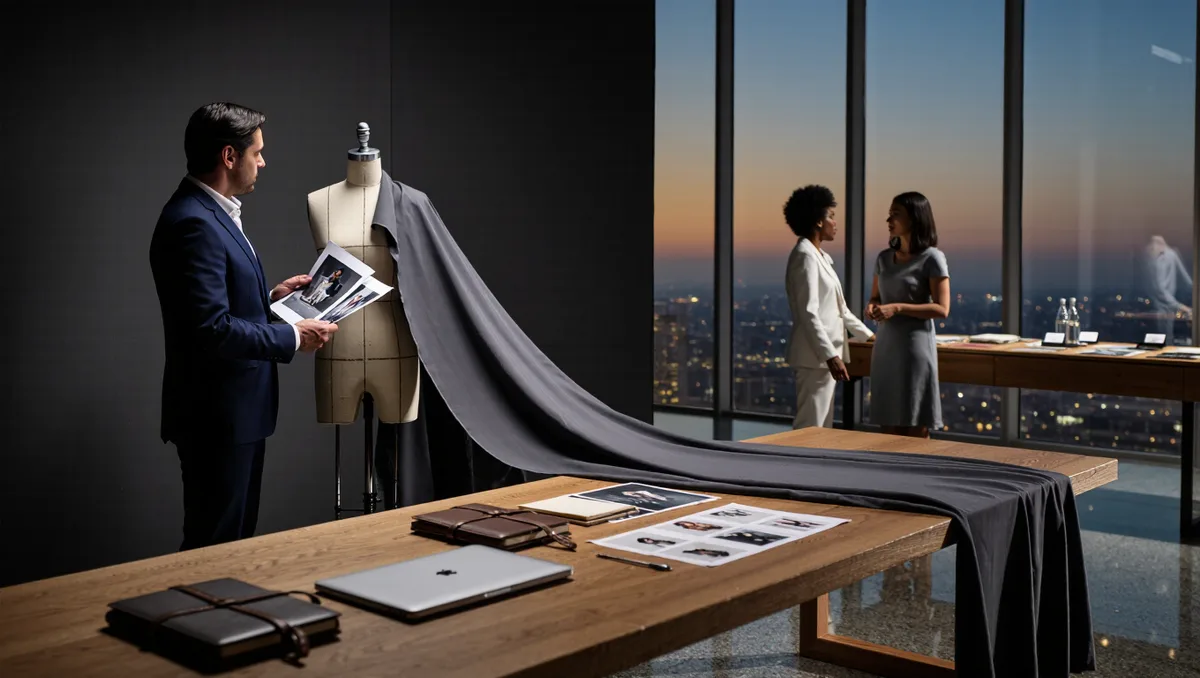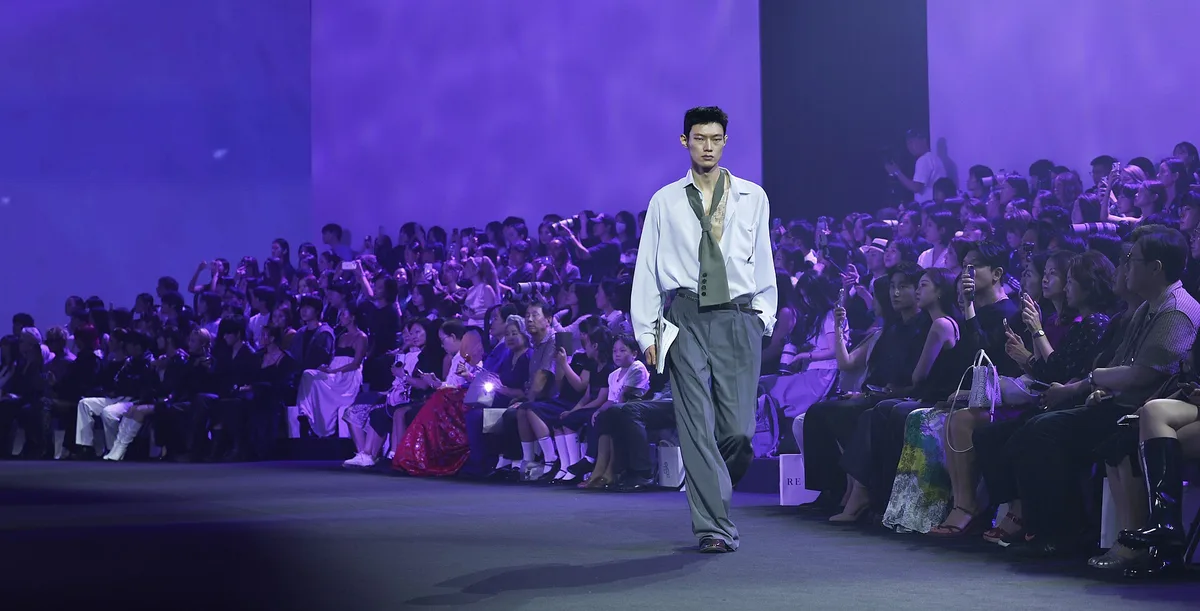
A week of fashion news looks improvised and runs on a schedule set a century ago. Fashion houses fixed their show dates in 1918, staged twice a year, so they could plan each line for foreign buyers, according to Wikipedia's history of the fashion show. Everything a desk publishes this week hangs on that calendar. The shows supply the raw material; the desk supplies the judgment.
The chaos is real, but it sits on top of the grid, not instead of it. Editors work the week the way a city desk works election night, with a map, a queue and a clock.
Where Does the Week Get Its Shape?
From the calendar and the cities. Wikipedia defines a fashion week as a week-long industry event where designers and houses show new collections to buyers and the media, shaping trends for the coming seasons. The leading weeks run through New York, London, Milan and Paris in that order, a stretch long enough that desks plan it like a political convention, beat by beat and city by city.
The order matters for coverage. A look shown in Milan on Friday can be contextualized in Paris the following week, and the desk's notes travel with the season. The week is dense by design. Shows stack from morning to night, so the desk splits them by beat: one writer takes the houses that show tailoring, another takes the ones that show concepts. Nobody sees everything, and nobody needs to.
Who Turns Shows Into Coverage?
Staff journalists and freelancers, in a mix each publication sets for itself. Wikipedia's entry on fashion journalism describes critics who write about and review fashion events and trends, and who maintain relationships with stylists and designers; some sit on staff, others file as freelancers. The split gives a desk range. Staff carry the house voice and the deadlines, while freelancers add specialist eyes a masthead could not keep full time.
Relationships are part of the job description, not a scandal about it. Access to designers is how the trade's questions get asked at all.
How Fast Must a Fashion Desk Move?
Faster than print ever allowed. Wikipedia notes that digital fashion journalism gives writers unlimited space, room for links, and real-time updates, including corrections when a claim does not hold. A review can land the same night as the show, and the week's coverage keeps revising itself in public as the season settles. We covered a connected angle in Fashion News Today: Who Decides What's a Trend?.
Speed has a price, and the desk pays it in verification. The tools changed, but the job did not: confirm names, prices and dates before print, and keep a list of claims no source would back. The houses that moved first said the most, and guessing is now more expensive than it used to be.
What Does the Week Owe the Reader?
More than a front row report. The coverage that earns its space answers the questions a buyer would ask: how a garment is made, how long it should last, and what it really costs per wear. The schedule makes those answers timely, because a collection shown this month is the one that will fill stores next year. Readers following this should also see Runway to Headline: How Fashion News Gets Made.
Read that way, a week of shows is a preview of inventories. The desk's verdict today is a shopping note for later.
Conclusion: The Week Is Logistics Wearing Style
Strip the lighting and a fashion week is a supply chain with a guest list: a calendar fixed in 1918 for foreign buyers, per Wikipedia's fashion show history, four cities in order, an audience of buyers and critics with jobs to do. The desk's work is to convert that machine into coverage that lasts past the season. When it succeeds, the reader gets more than news. The reader gets a head start on what the shops will carry, at prices not yet decided, in fabrics worth asking about. That head start is the real product of the week.