Luxury
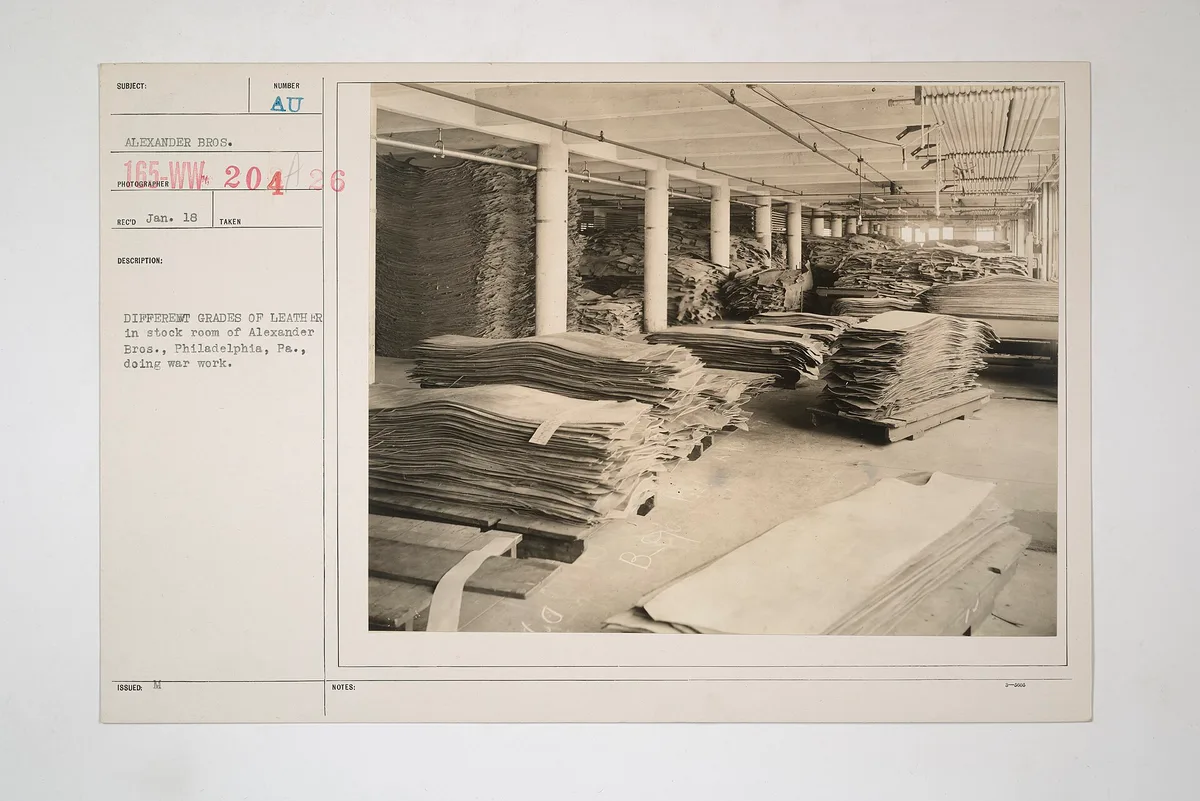
Full-Grain, Top-Grain, Bonded: The Leather Grades That Decide What Your Jacket Is Worth
Leather grades decide how a jacket ages, feels, and holds its value. A plain-language tour of full-grain, top-grain, split, and bonded leather.

The word in the name is doing more work than the material — a look at how printed wood became the default floor of ambitious renovations.
Trends go viral when forecasting files and diffusion curves line up: prediction picks candidates, early adopters test them in public, and the early majority turns them into sales.
Fashion money, followed properly.
Leather grades decide how a jacket ages, feels, and holds its value. A plain-language tour of full-grain, top-grain, split, and bonded leather.

Glamping promises the outdoors with real beds and Wi-Fi, often at hotel prices. A clear look at what you pay for and when it is worth it.
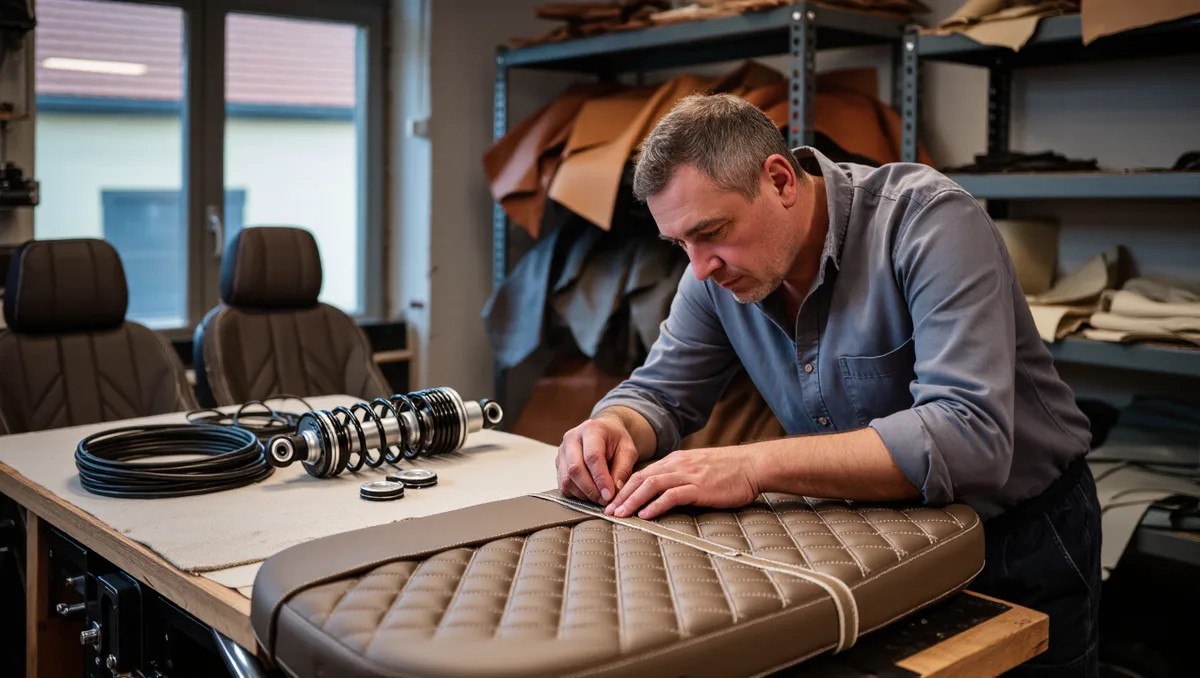
The sticker price buys less badge and more engineering than most buyers assume — if you know which parts to look for.
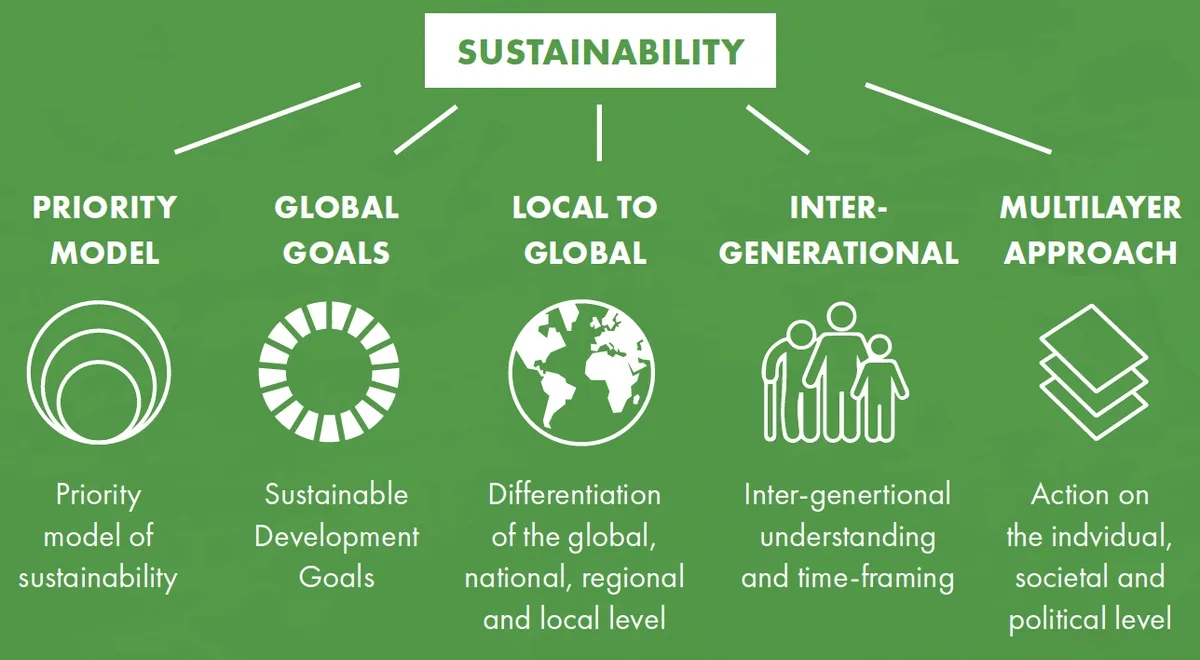
Sustainability means the capacity to continue over a long period, a goal the United Nations' 1987 Brundtland Report pinned to development that meets present needs without shortchanging the future. The word names a test, not a product.

A short list of films that inform without numbing — and how to tell a useful one from a well-shot lecture.
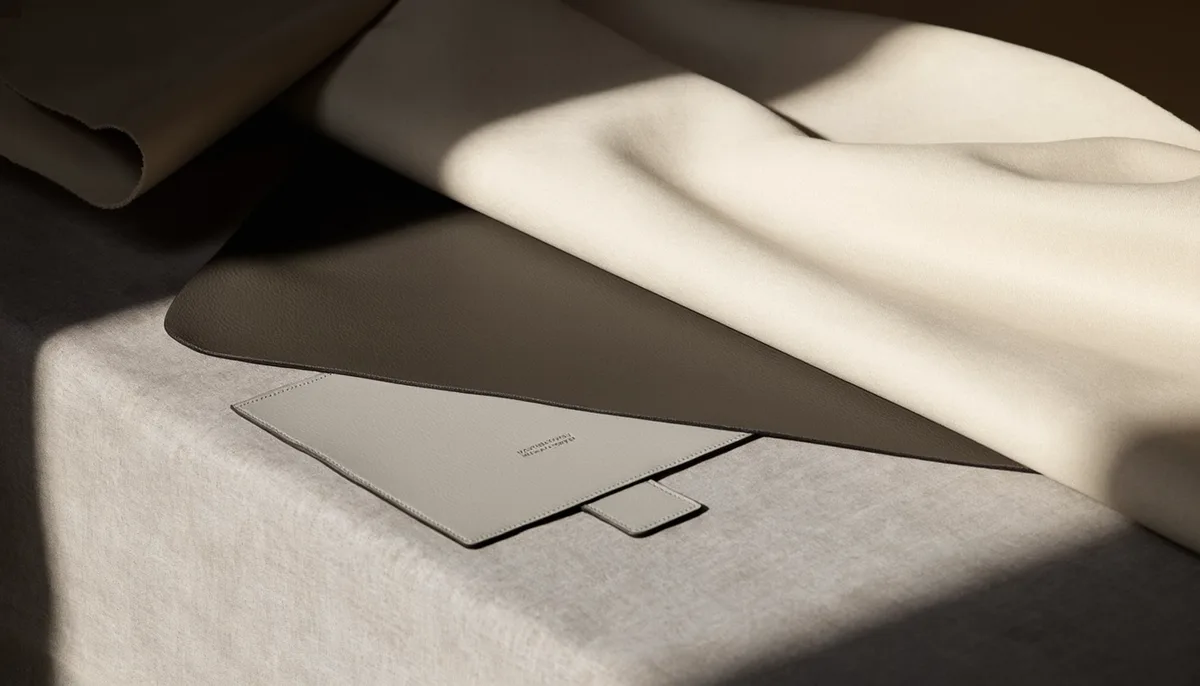
Unused mill rolls and cancelled orders are becoming a quiet sourcing strategy at the top of the market.
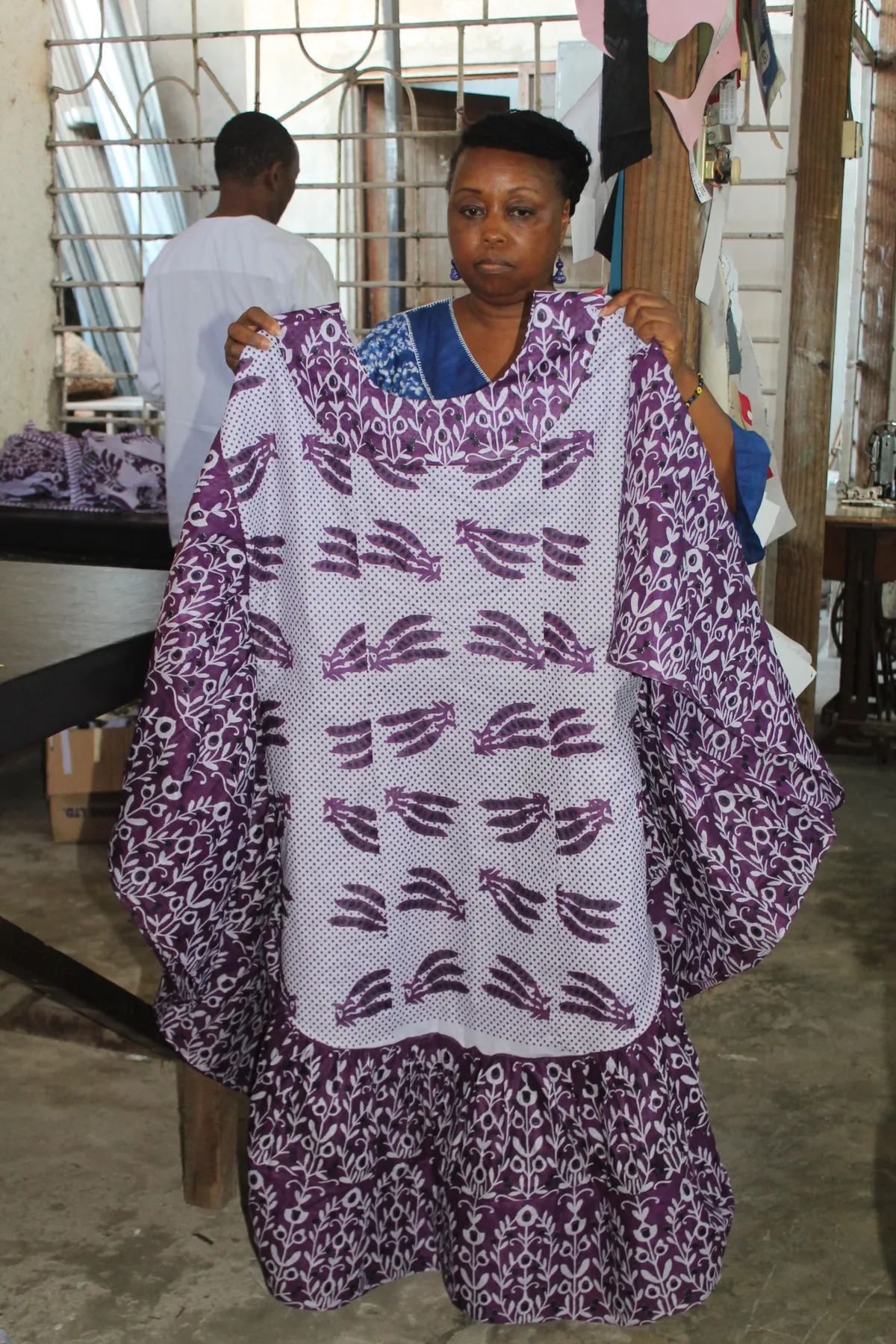
Stitching, leather grade and frame construction tell a designer piece from a copy long before any label does.
The kettle you scald yourself on and the door you push when you should pull are both lessons — in disguise.

Kinyan Lam's Grounded collection is a buying lesson as much as a runway moment: slow down, name your makers, and let the work prove the claim.
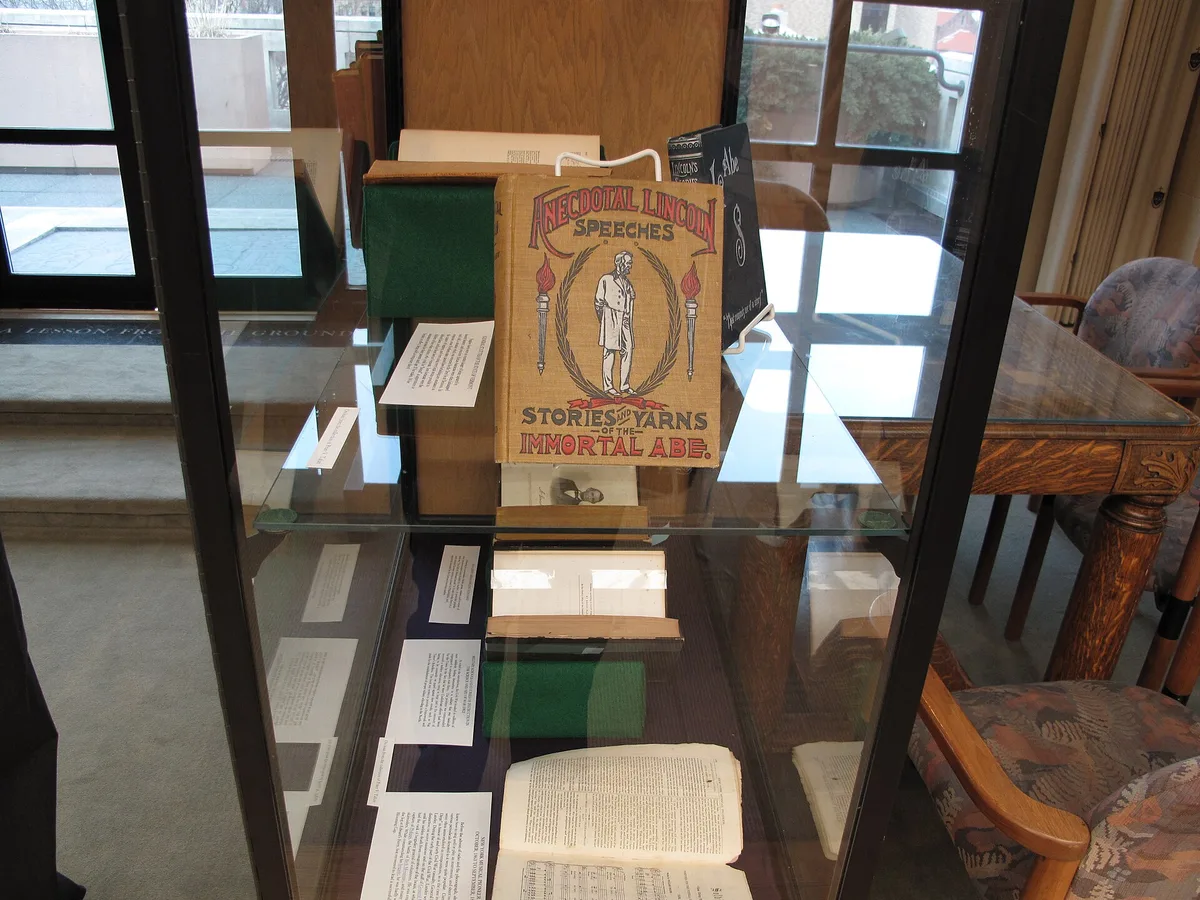
Storytelling now does much of the selling in slow-made knitwear. The fibre still has to do the rest.
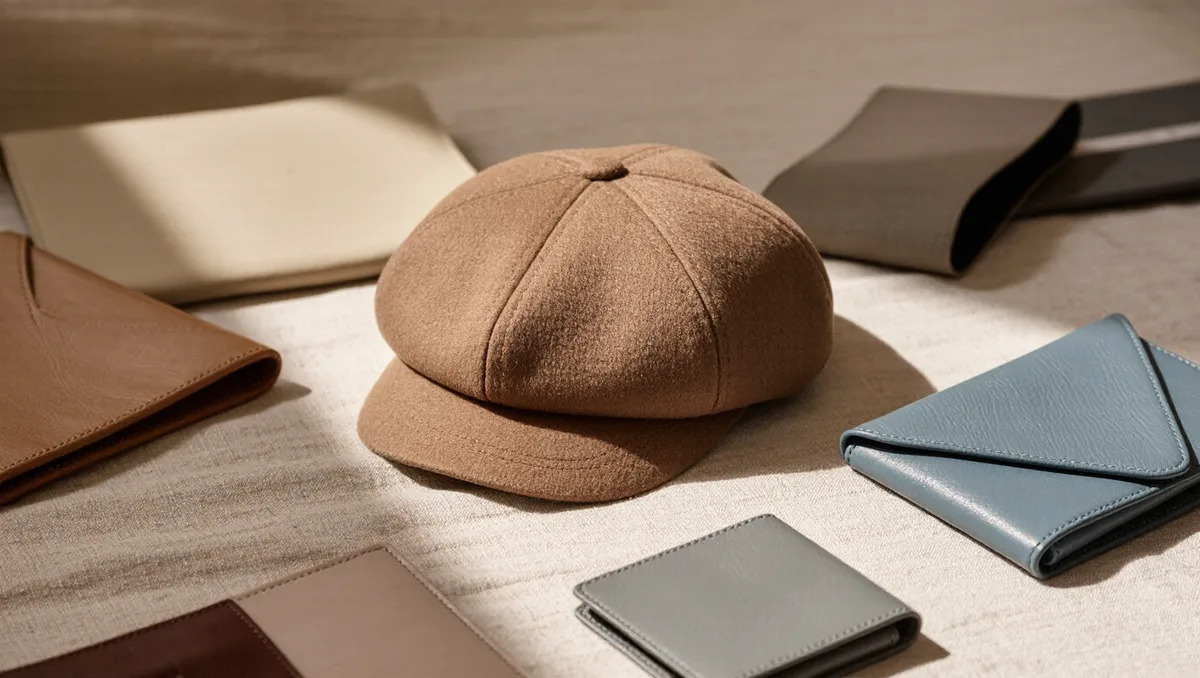
A flat cap reads sharp when the fit, the fabric and the rest of the outfit are modern. Here is how to get the proportions right.
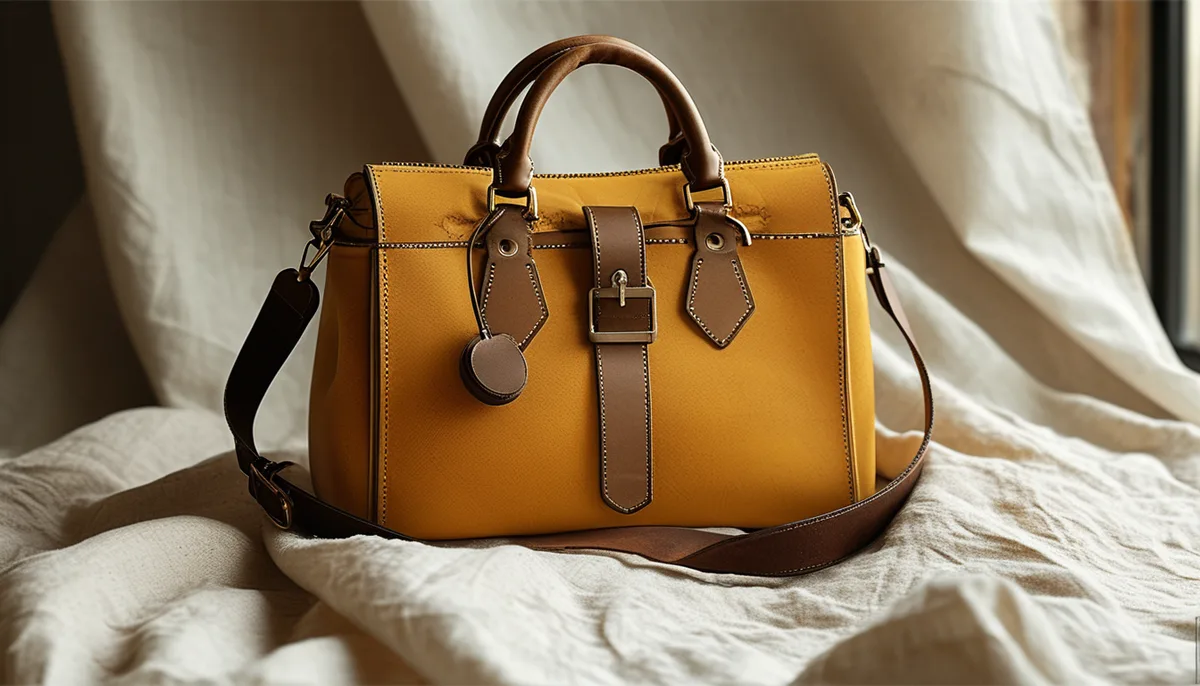
The bargain at the till is paid for in water, wages and wear — and that is exactly why considered design costs more.
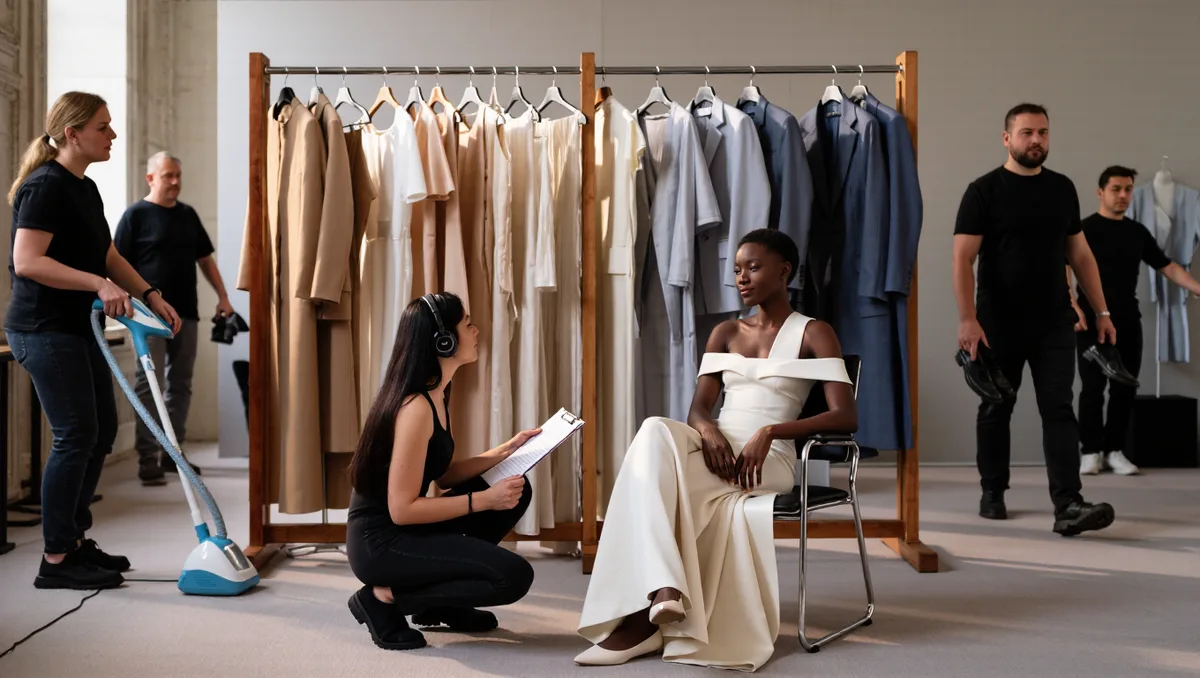
A single show passes through seats, reviews, wires and feeds before it reaches your screen. Here is what happens in between.
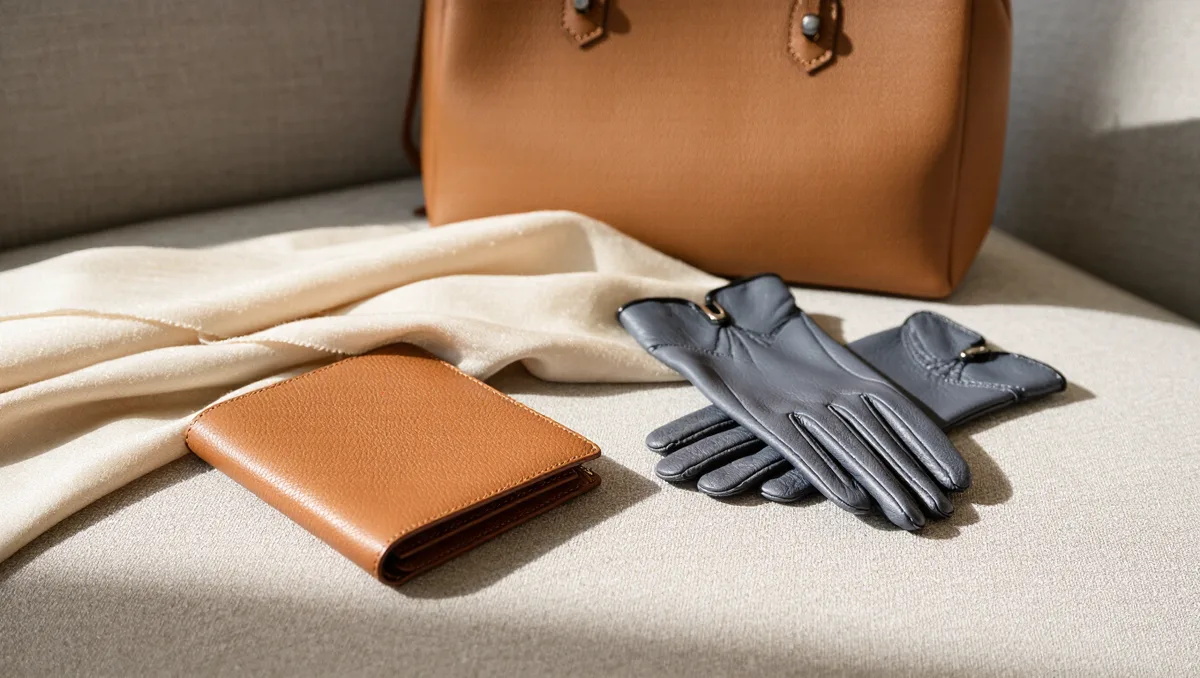
Most coverage is built for the scroll. A better reading habit sorts signal from micro-trend in ten minutes a day.
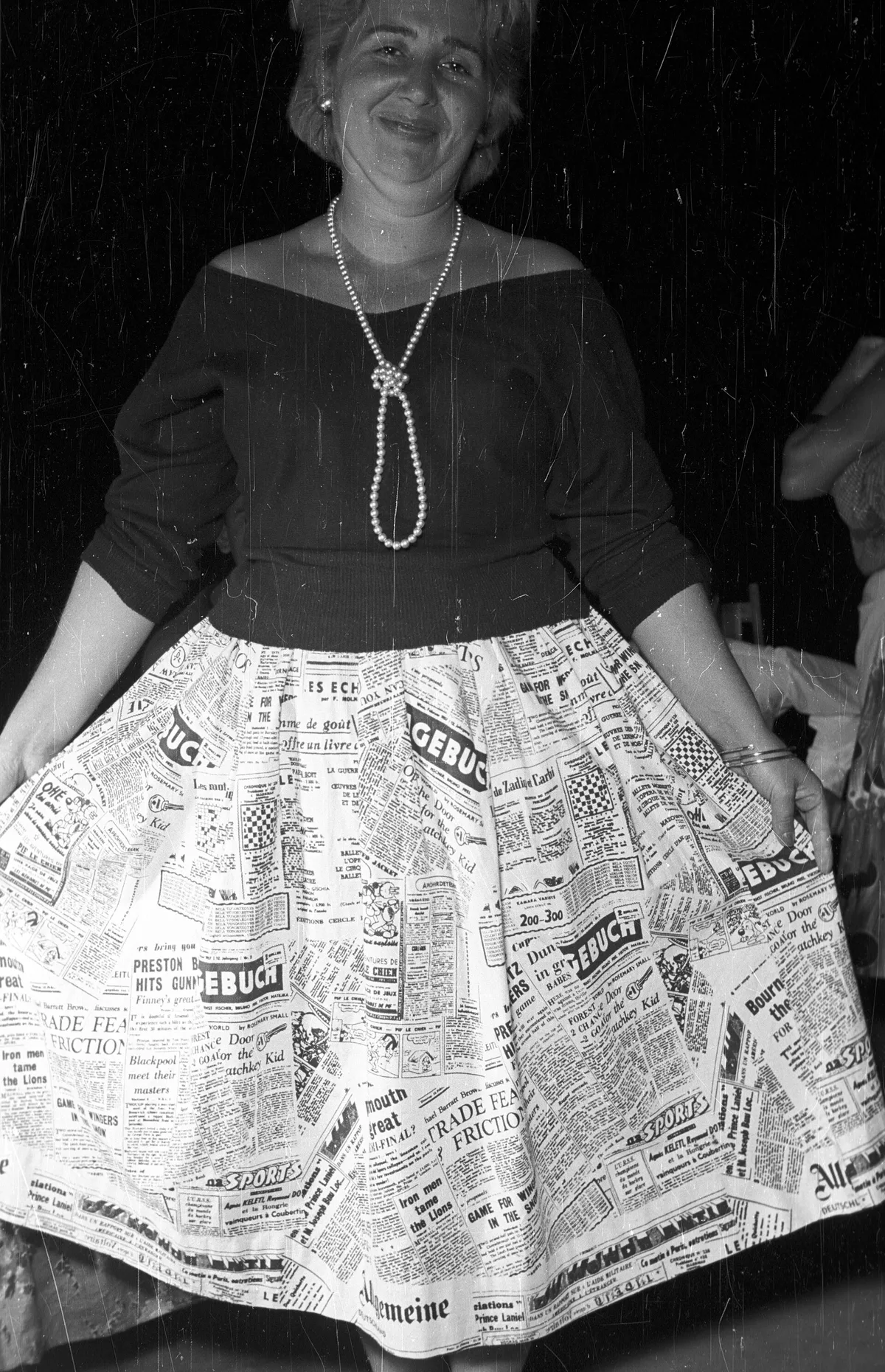
A century of fashion journalism, traced from the social register to the runway review — and what the shift means for how we read style today.
Those small fiber balls on a cashmere sweater are not automatically a verdict on quality. The fiber length, the weave and the wash cycle matter more than the price tag.

Prestige is priced in at the showroom and paid for again at resale. Here is how to keep both costs visible.
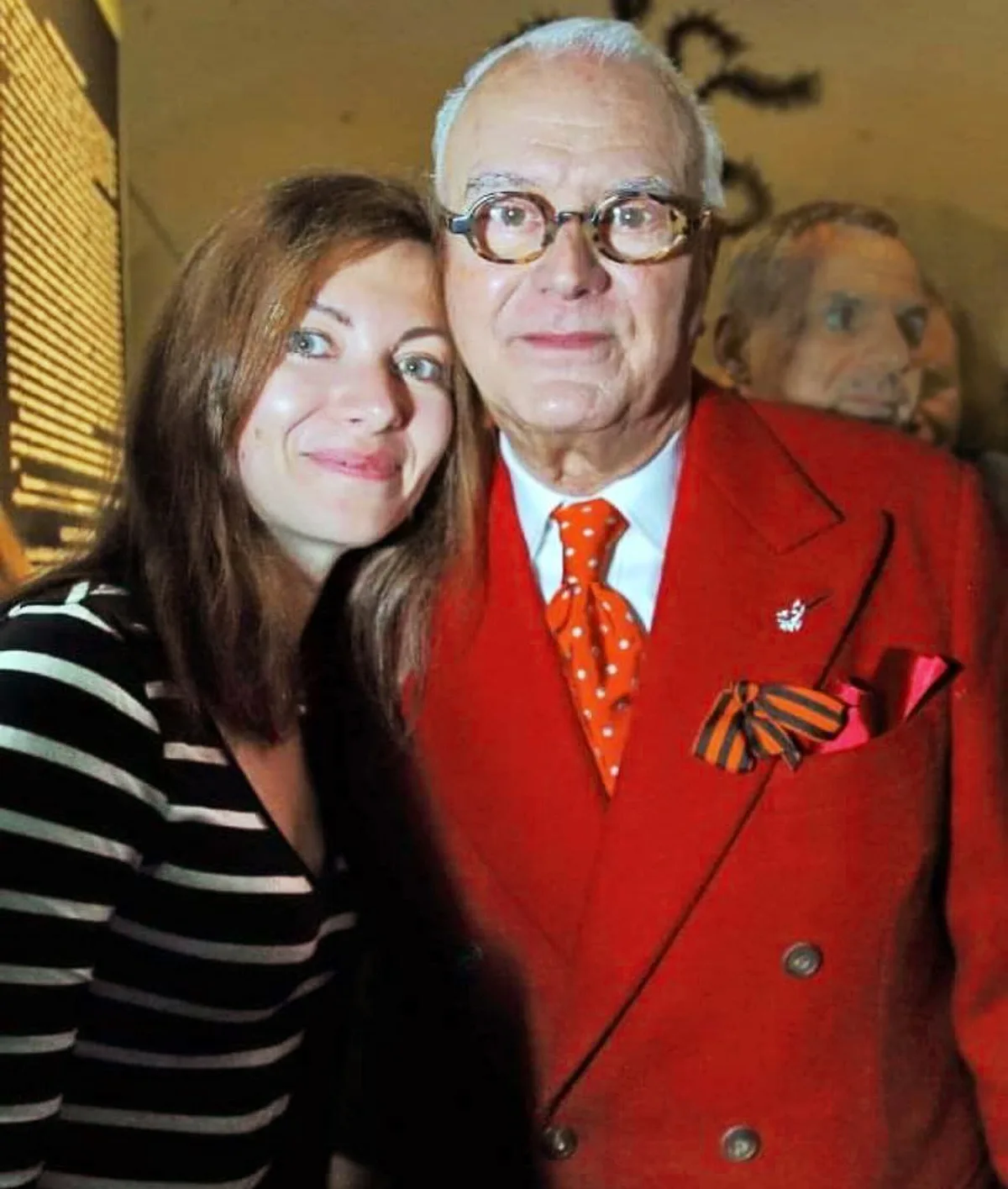
A pair can look the part and still fall apart in a season. Here is how to read the construction before you read the label.
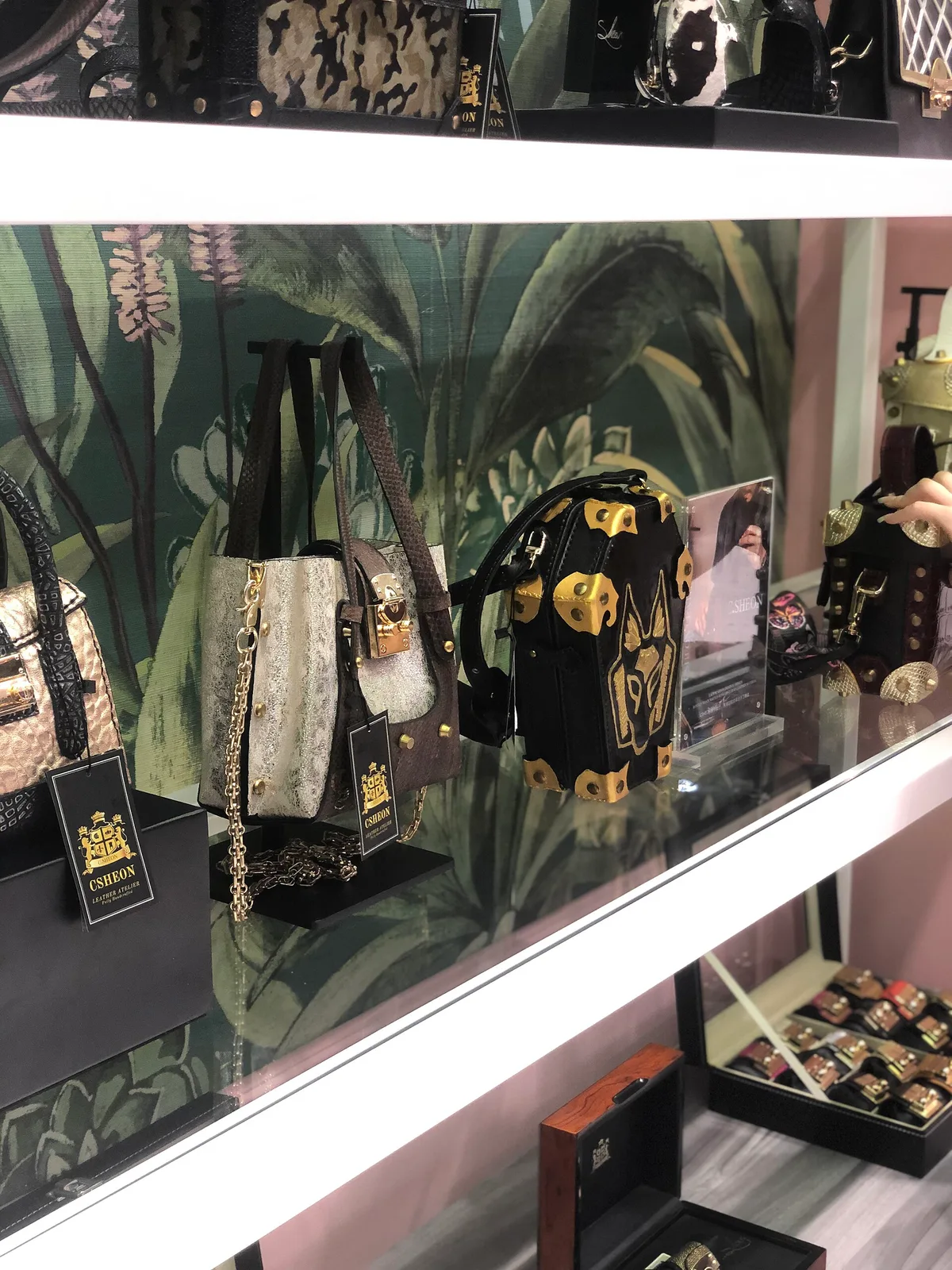
Resale value, wearability and construction, weighed before the logo.
A practical guide to buying authentic modern design classics — and telling a licensed original from a convincing copy.
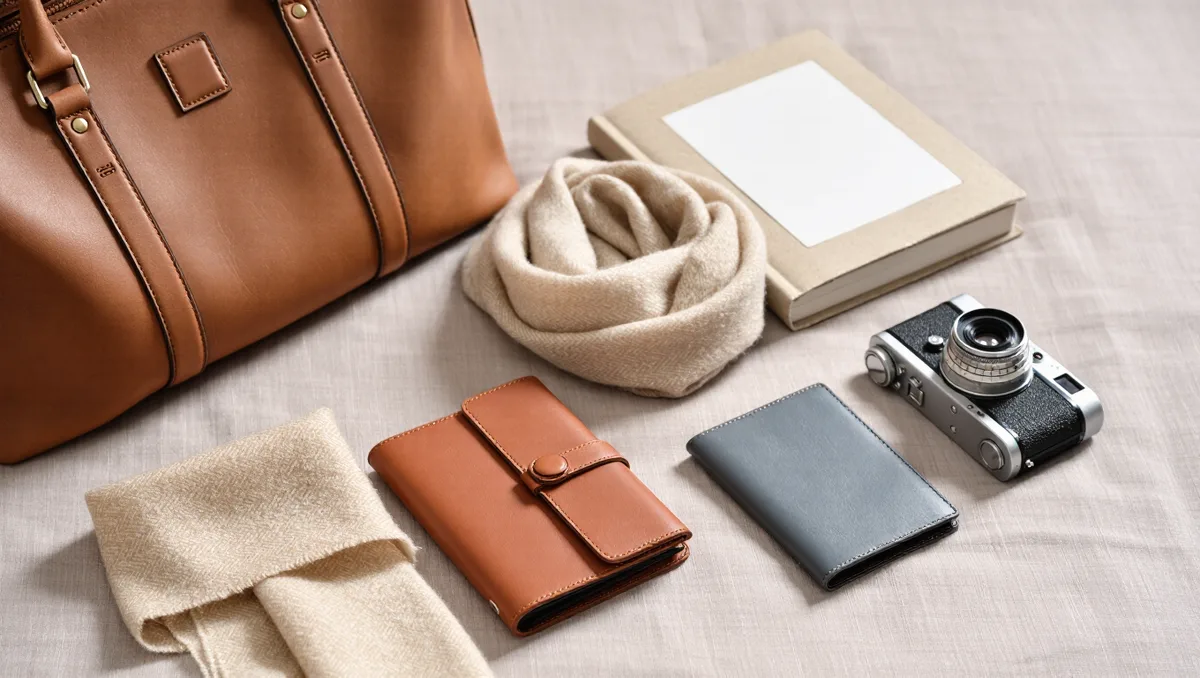
Discretion, not display, is what separates a seasoned traveler from a tourist — and the habits are learnable.
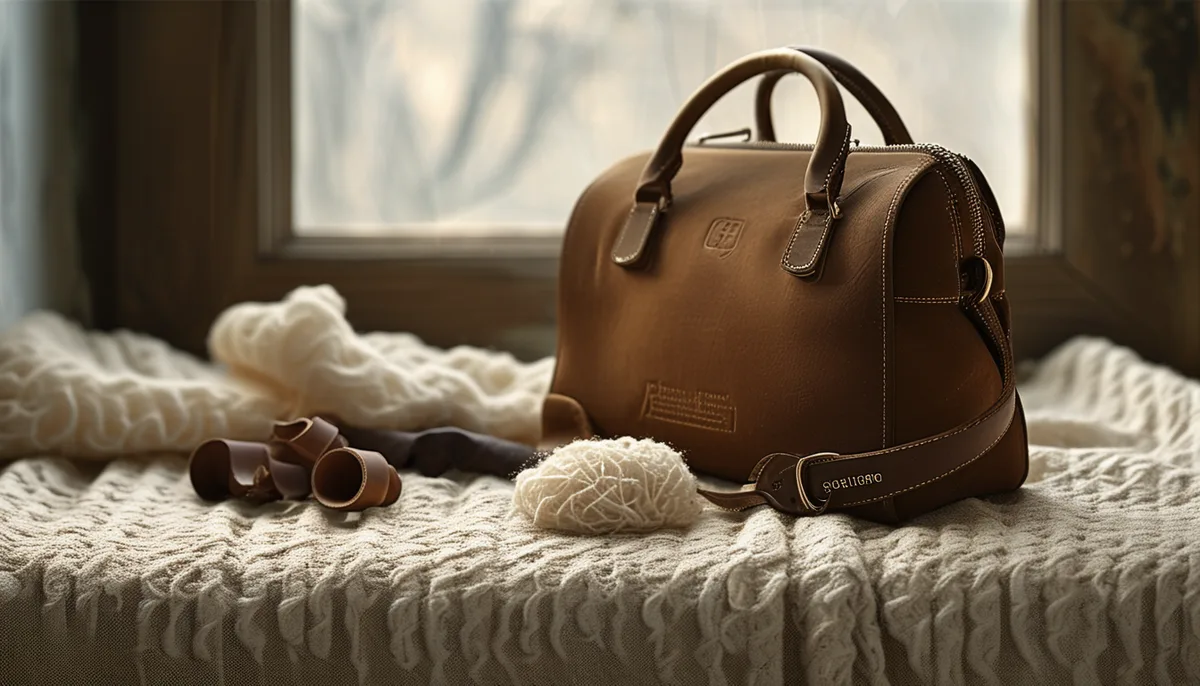
Fiber length, ply and grade decide how a sweater behaves after its third winter. Here is how to read them before you pay.

Vague eco-language, one virtuous capsule collection, an untraceable supply chain: the pattern repeats, and it's learnable.
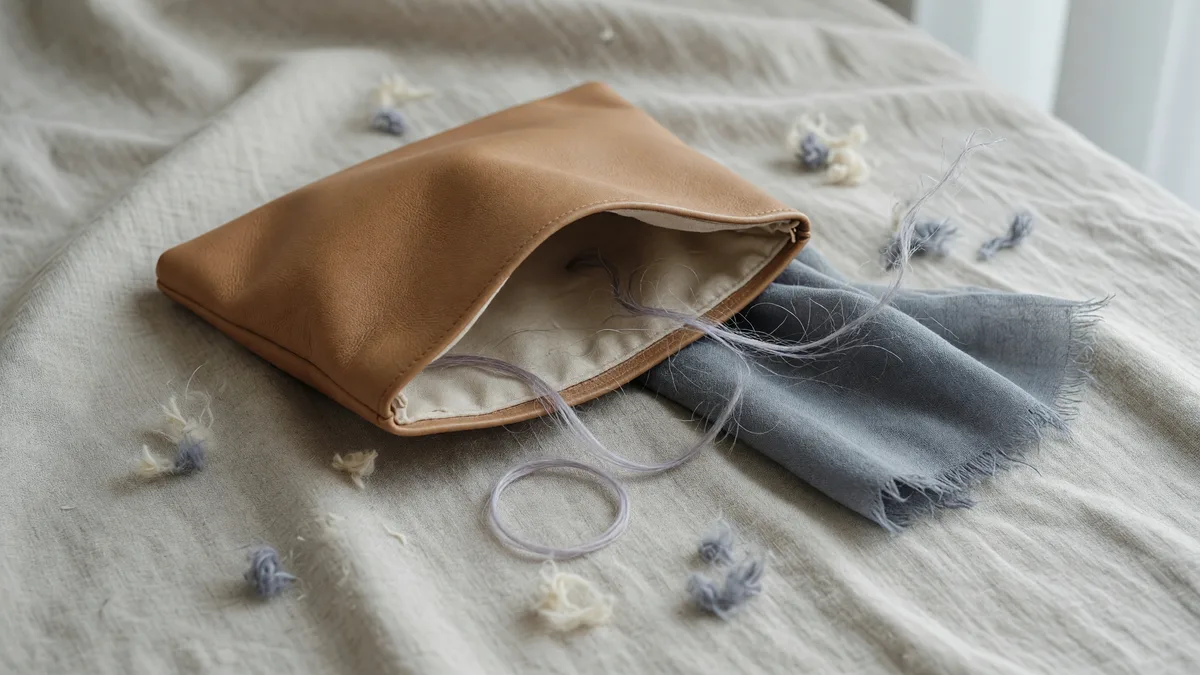
Every polyester wash sheds plastic fragments too small to see. Here is what the research says and what actually reduces the shedding.