
Luxury
Four Labels Built for the Capsule Wardrobe, and What Each Actually Claims
The buy-less wardrobe is having a luxury moment. Here is what the evidence behind four of its standard-bearers says.

Regulation, resale and material claims now dominate the sustainability beat — here is what the reporting actually establishes, and what it does not.
Newspaper style editing survives because the machinery is small: one ruling per question, named desk roles, and three graded depths of edit set down before deadline.
Fashion money, followed properly.
The buy-less wardrobe is having a luxury moment. Here is what the evidence behind four of its standard-bearers says.
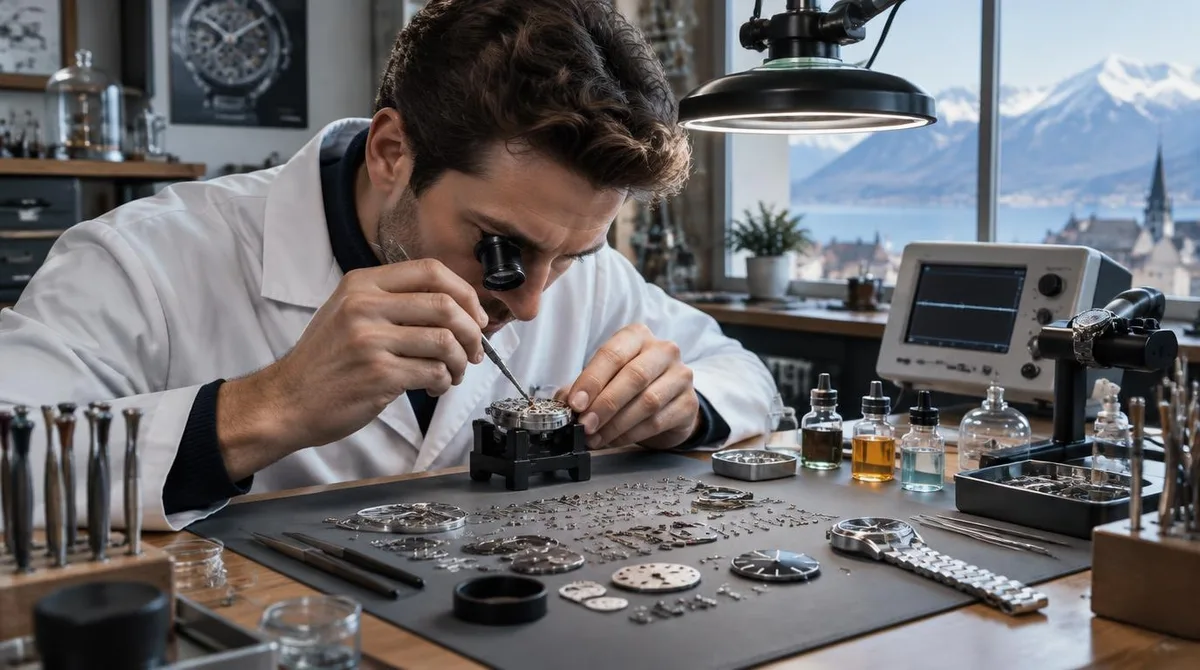
A full mechanical watch service runs roughly $800 to $1,600 at manufacturer rates, with complex references higher. The interval between services, five to ten years by maker guidance, sets the true cost per wear.

The word in the name is doing more work than the material — a look at how printed wood became the default floor of ambitious renovations.

A recycled-content percentage is a provenance statement: material recovered or diverted from the waste stream. The federal rule, the pre- and post-consumer split, and the paperwork decide whether to believe it.

The written definitions, the wage chart, and the listing language separate sustainability roles with real impact from box-ticking titles. The object of the verb tells the truth.

A sustainability consultant audits what a client consumes and emits, then writes the reports and management systems that keep the company inside standards like ISO 14001. The work is compliance at root.

The rooms that read as expensive usually depend on decisions that cost almost nothing.

A sunflower seed seller in old Andijan, two women beginning another shift at a coal facility, students dressed in traditional costumes representing Uzbekistan’s twelve regions - the subjects of Komiljon Pattaev’s photographs are people whose lives rarely become the focus of public attention.
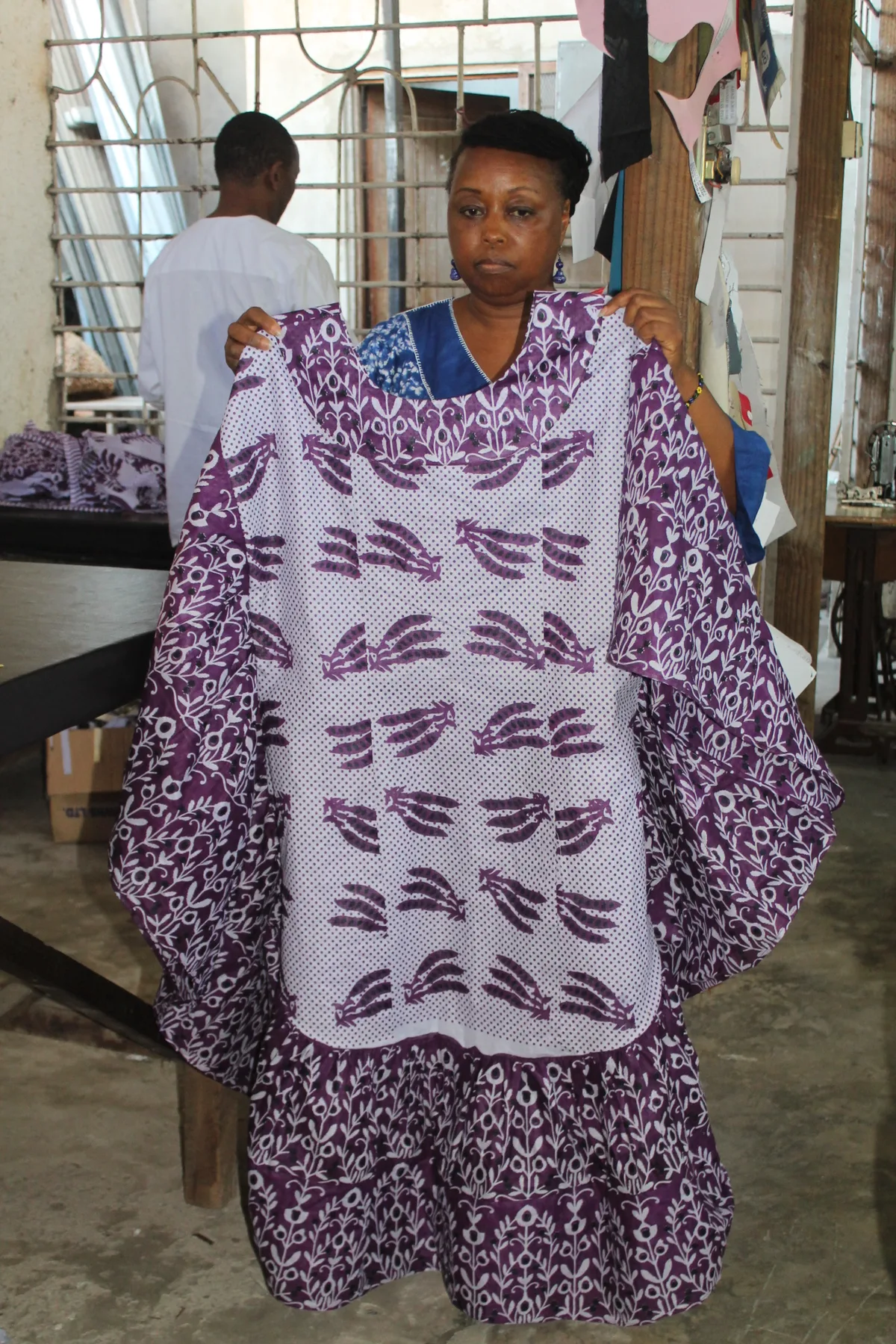
Stitching, leather grade and frame construction tell a designer piece from a copy long before any label does.
Most launch-week energy fades by issue four. What keeps a letter alive is a narrow promise, a fixed shape, and the discipline to keep both.

The tip, the check and the embargo: a plain account of what happens before a fashion story reaches you.
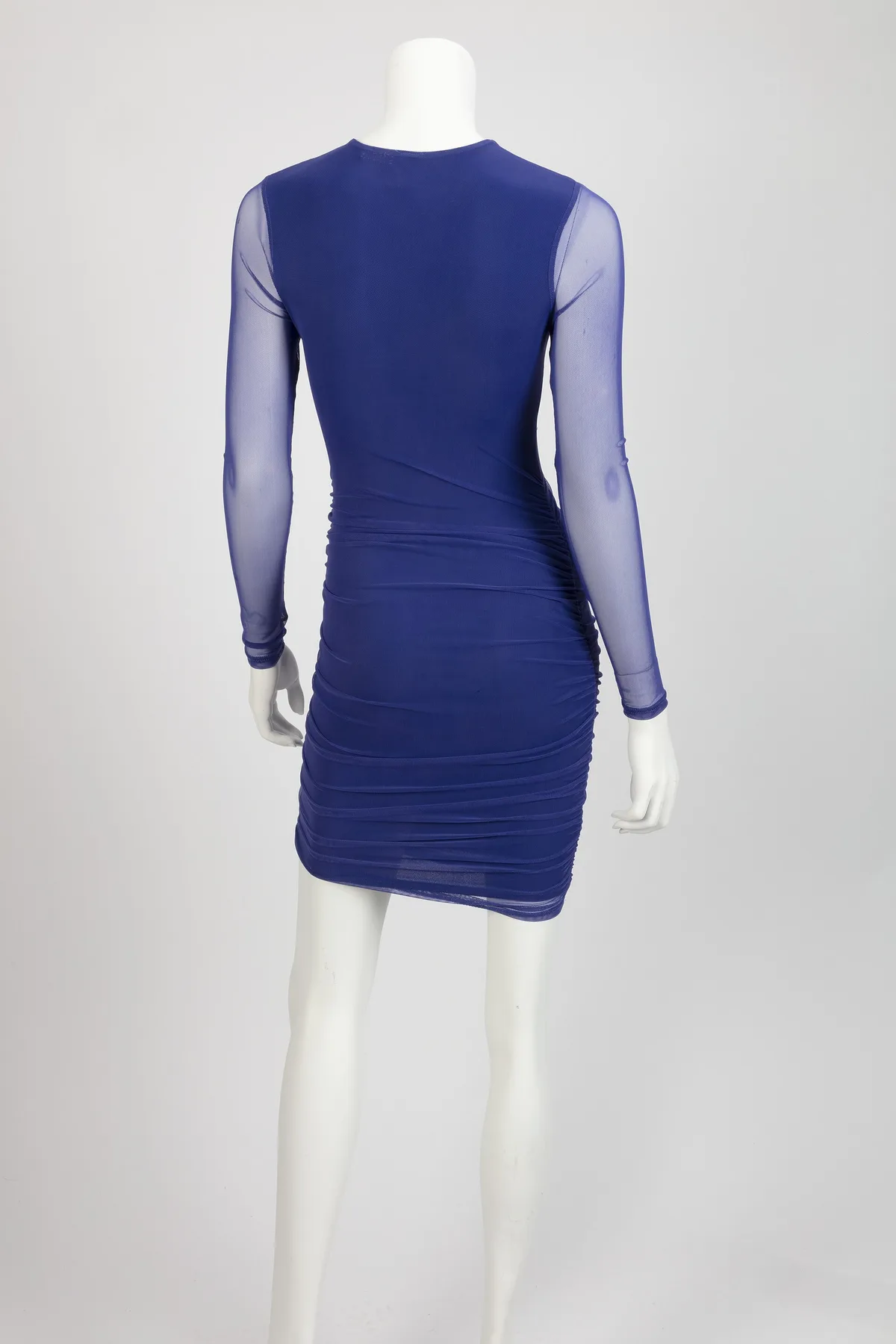
Trends go viral when forecasting files and diffusion curves line up: prediction picks candidates, early adopters test them in public, and the early majority turns them into sales.

Fashion writing earns trust through sourcing: named records, brand claims kept at arm's length and numbers tied to origins. How to judge a fashion story in a minute.

A week of fashion news runs on a calendar fixed in 1918. How a fashion desk turns four cities of runway shows into coverage that outlasts the season.
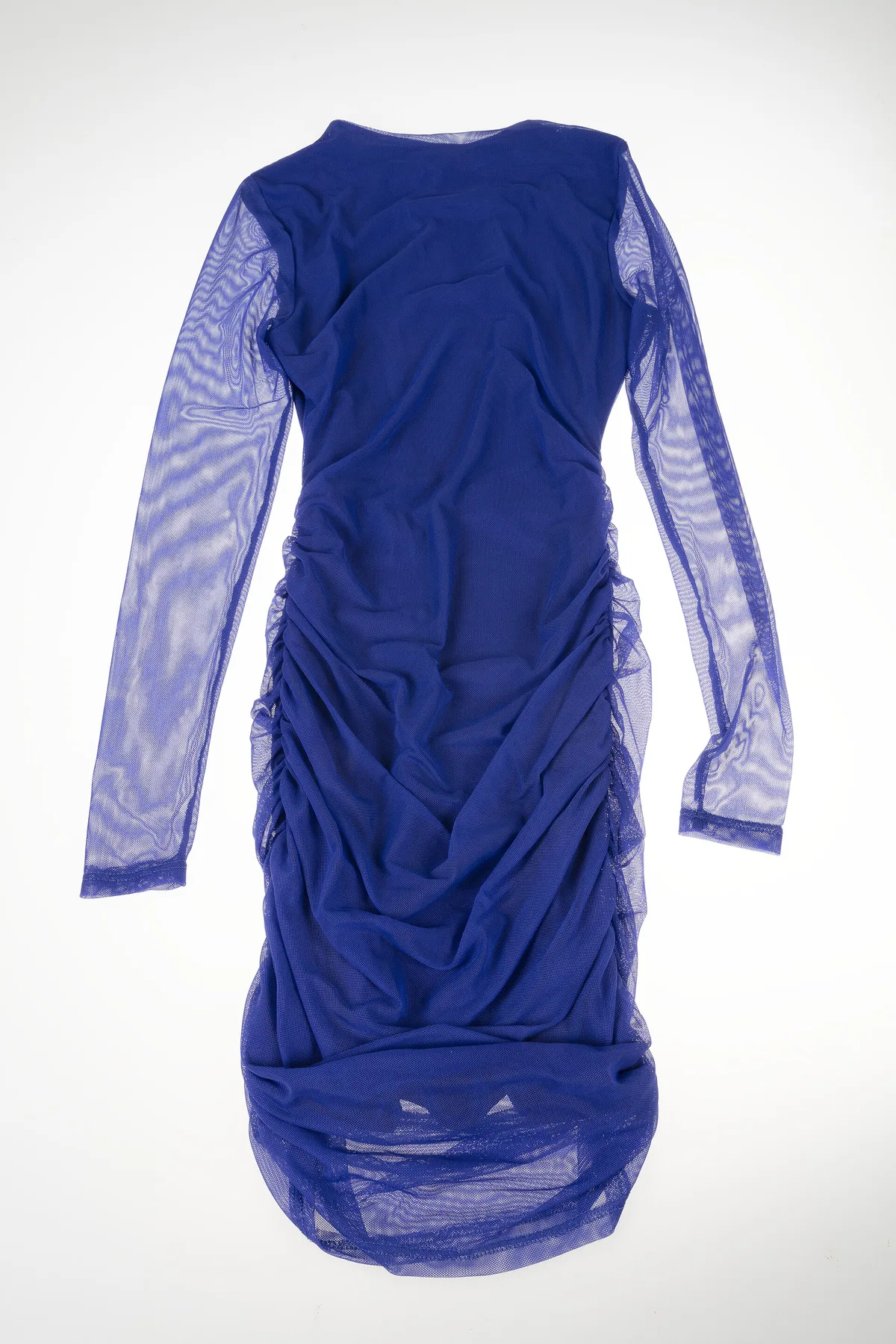
No single office decides what counts as a trend. Forecasters plan in seasons, editors judge in days and algorithms score in seconds, and fashion news is the record of where the three agree.
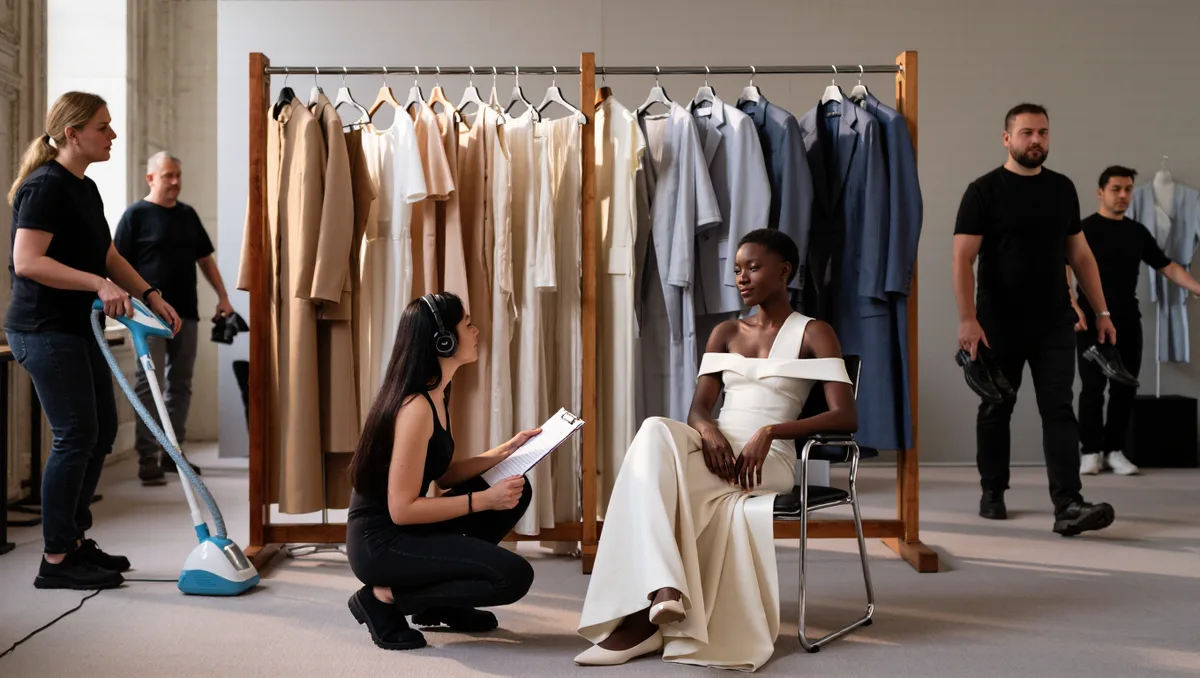
A single show passes through seats, reviews, wires and feeds before it reaches your screen. Here is what happens in between.
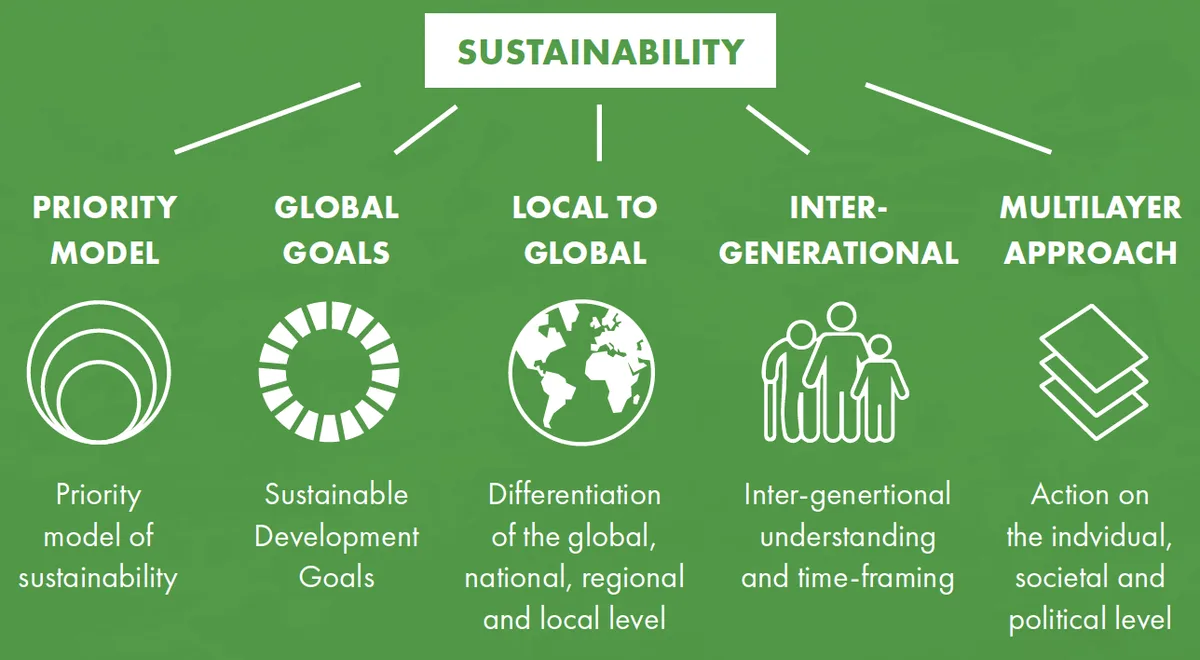
Sustainability means the capacity to continue over a long period, a goal the United Nations' 1987 Brundtland Report pinned to development that meets present needs without shortchanging the future. The word names a test, not a product.
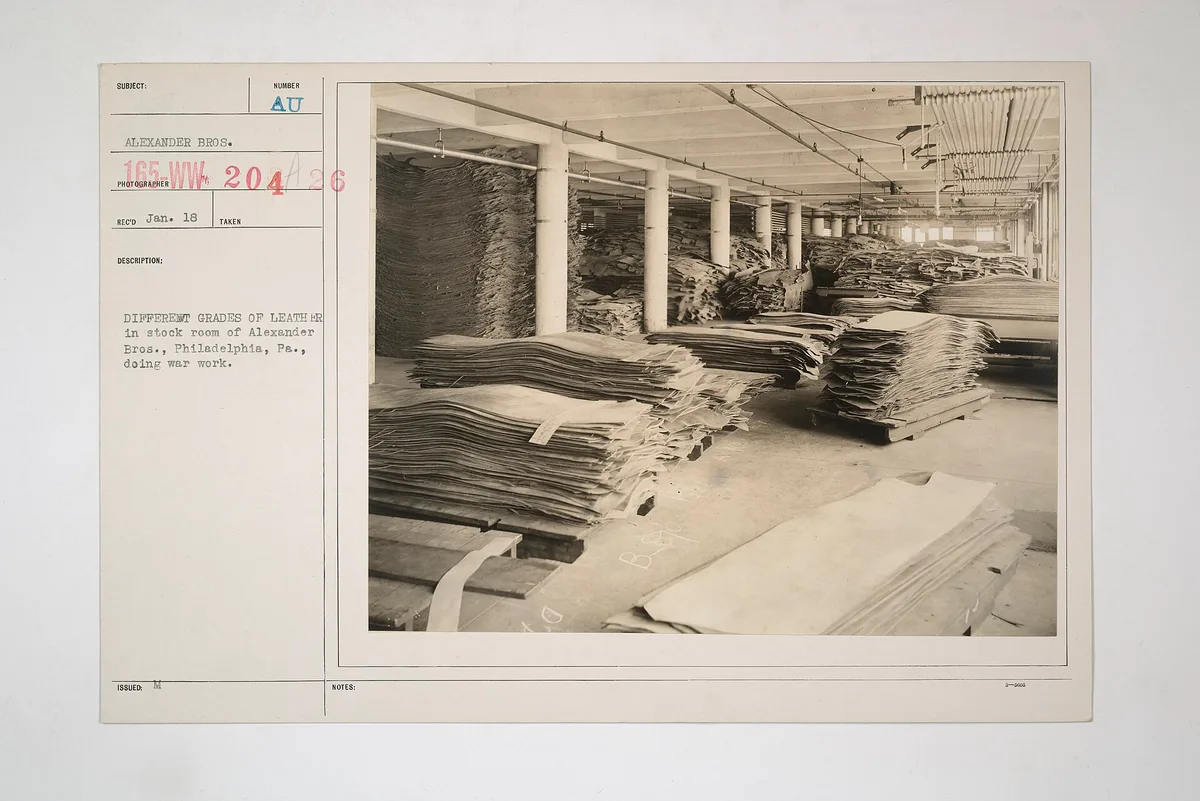
Leather grades decide how a jacket ages, feels, and holds its value. A plain-language tour of full-grain, top-grain, split, and bonded leather.

Glamping promises the outdoors with real beds and Wi-Fi, often at hotel prices. A clear look at what you pay for and when it is worth it.
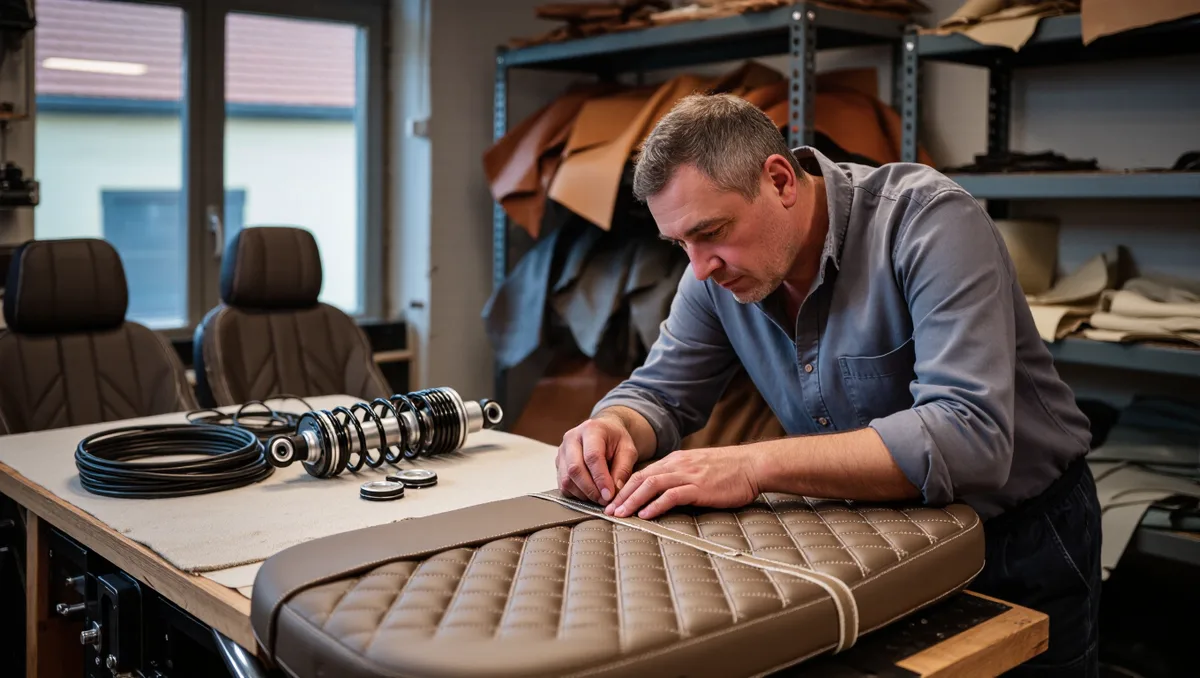
The sticker price buys less badge and more engineering than most buyers assume — if you know which parts to look for.

Prestige is priced in at the showroom and paid for again at resale. Here is how to keep both costs visible.
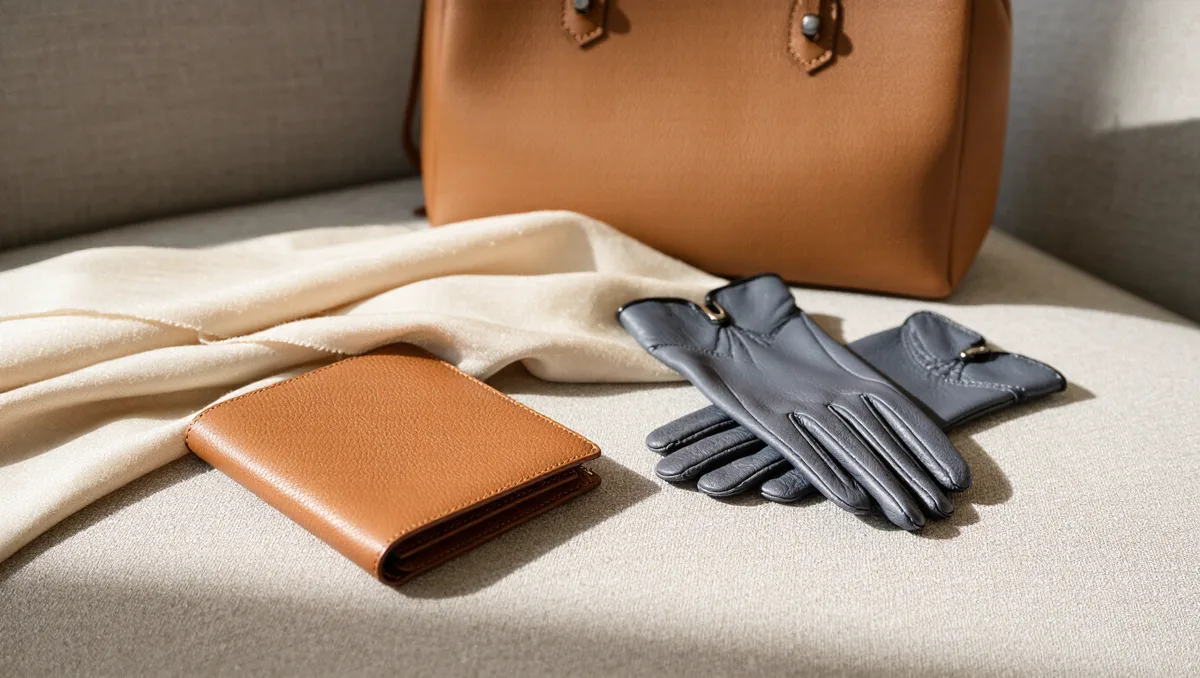
Most coverage is built for the scroll. A better reading habit sorts signal from micro-trend in ten minutes a day.
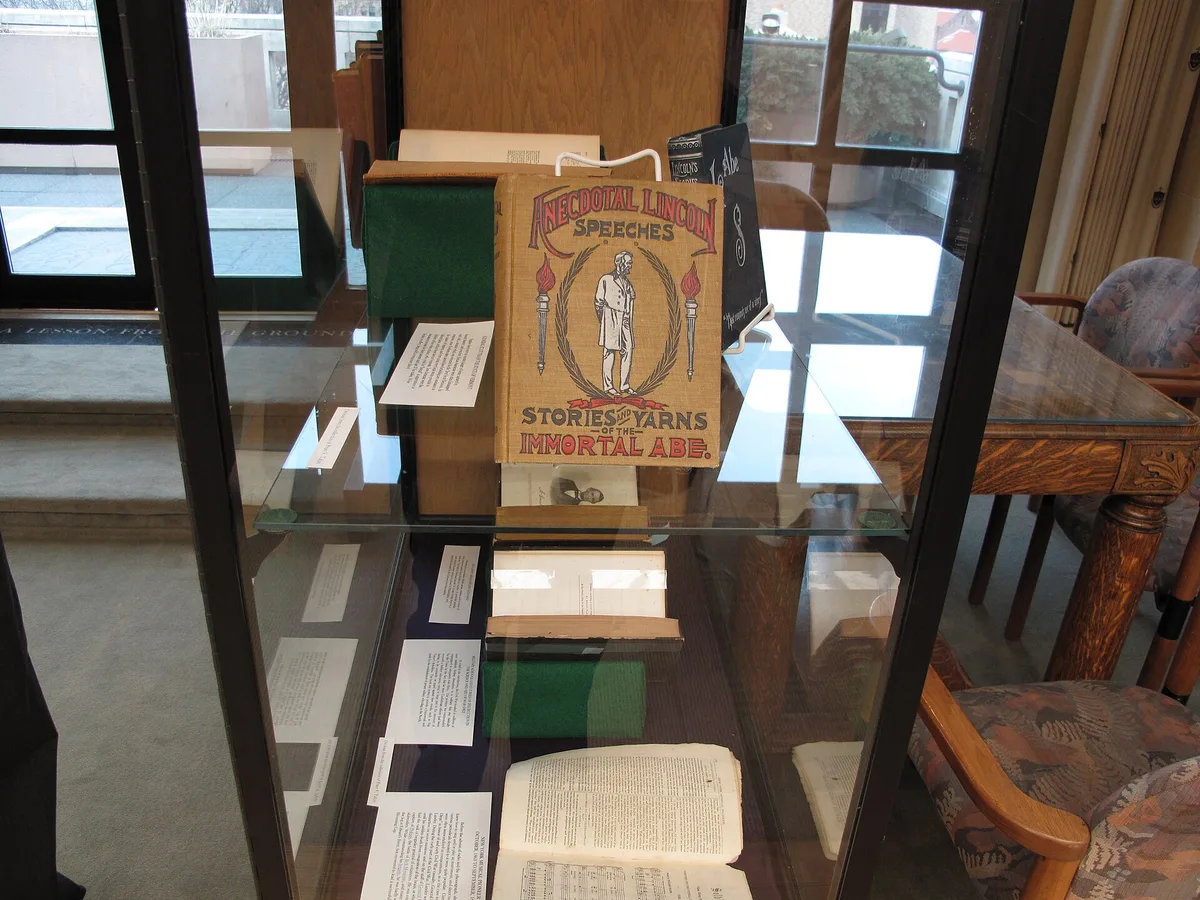
Storytelling now does much of the selling in slow-made knitwear. The fibre still has to do the rest.
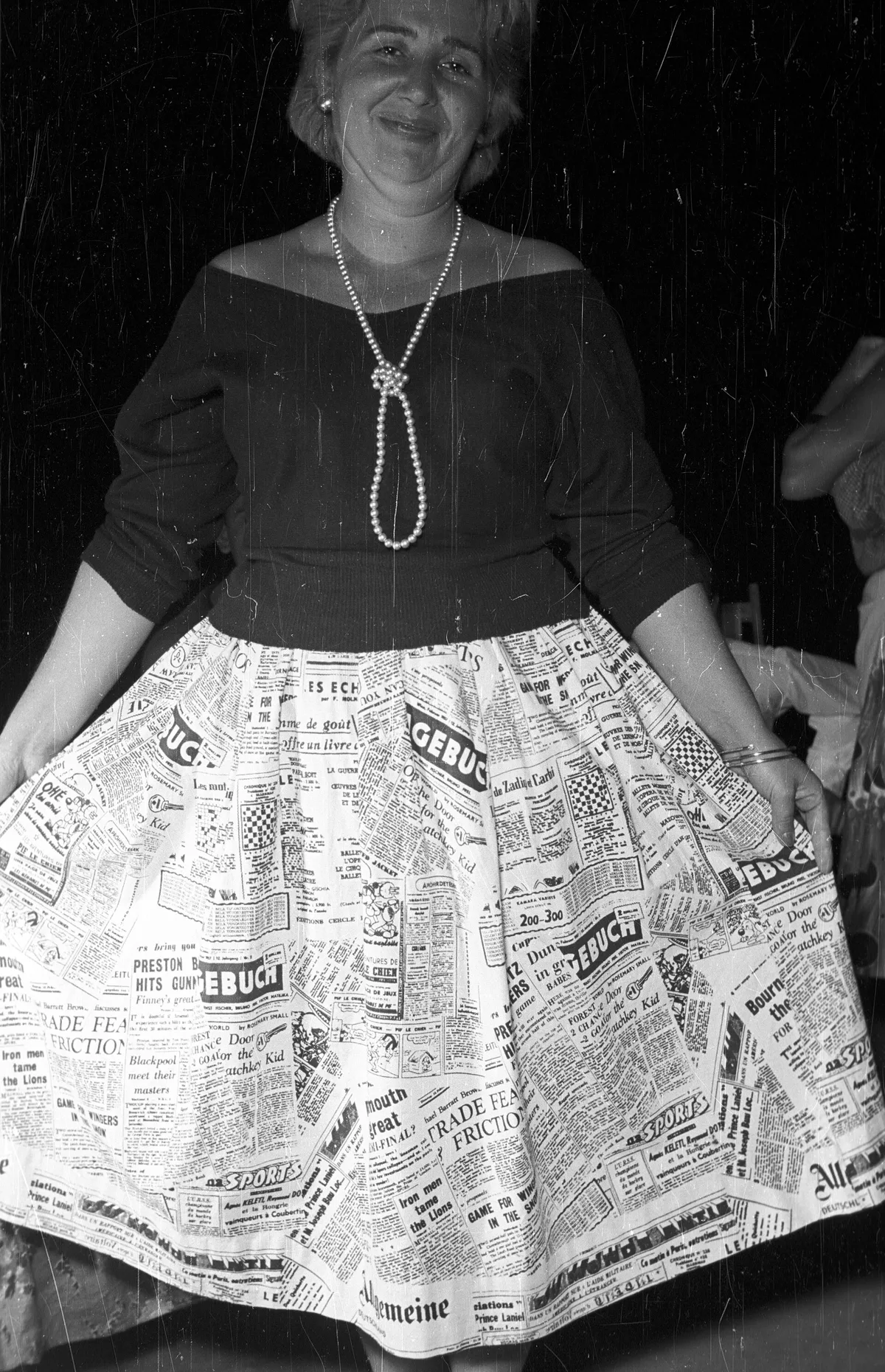
A century of fashion journalism, traced from the social register to the runway review — and what the shift means for how we read style today.