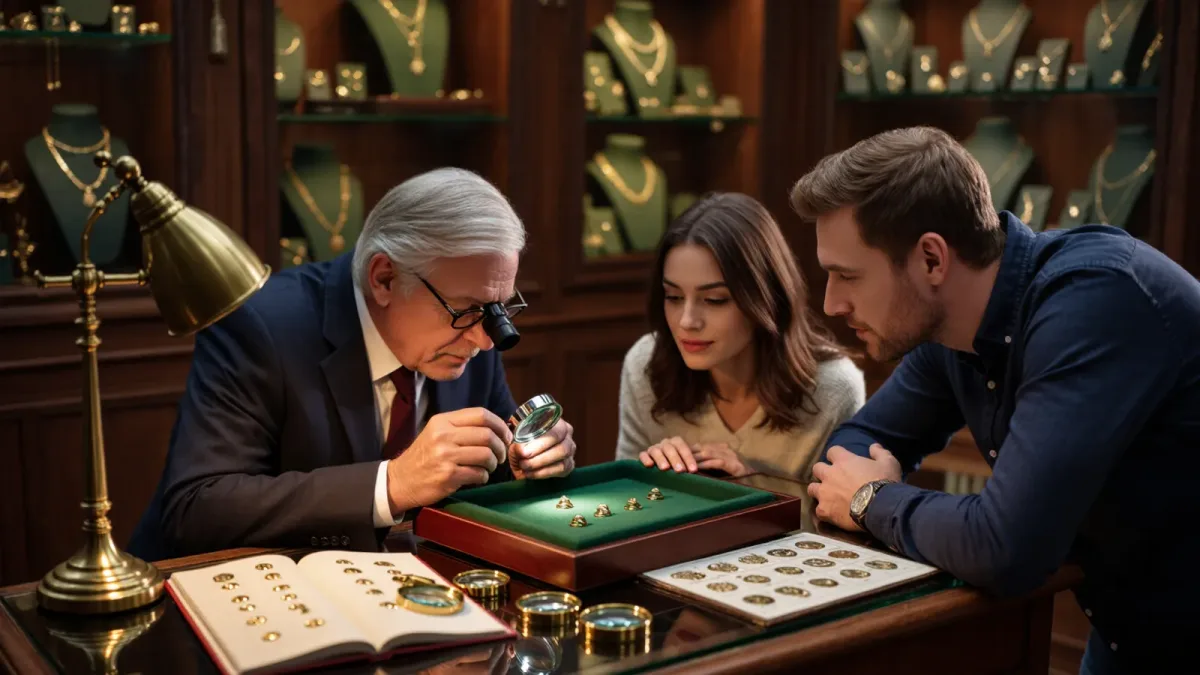
Vintage jewelry is the corner of the luxury market where knowledge converts most directly into money: two visually similar rings can differ in value by a factor of ten once hallmarks, era construction and stone cuts are read correctly. The secondary market for fine jewelry has grown alongside the wider resale boom — auction houses and dealers have reported record engagement numbers through recent seasons, per Reuters industry coverage (Reuters, 2026) — which means more inventory, more competition and more pricing noise. This guide is the service layer: what to check, in what order, and what to pay.
Above Magazine publishes information, not purchasing advice; for pieces above four figures, an independent appraisal before purchase is money spent well.
How do you date a piece quickly?
Three tells, in order of reliability. Hallmarks and maker's marks: metal fineness marks (750 for 18k, 925 for sterling) plus national marks and date letters — the UK system is the most legible, with assay office marks and letter codes pinned to exact years. A loupe and a hallmark reference guide date most British and continental European pieces to the year. Construction: machine-cut settings and cast components signal post-1950s; hand-fabricated gallery work, hand-cut prongs and solder seams visible under magnification indicate earlier work. Cut of the stones: old mine and old European cuts (cushiony, off-round, high crown) predate the modern round brilliant; a chunky, warm, off-round "diamond" is usually a century old and is read by dealers at a glance.
Which eras carry which price logic?
- Georgian (pre-1837): rare, often foiled-back closed settings; buy on condition and originality, expect specialist demand.
- Victorian (1837-1901): sentimental motifs, gold, snake and memorial jewelry; mid-market liquid, premiums for intact enamel and hairwork.
- Edwardian (1901-1915): platinum-and-diamond garland work, millegrain; consistently strong because the platinum work cannot be economically reproduced.
- Art Deco (1920s-1930s): geometric platinum, calibrated stones; the most liquid vintage category and therefore the most faked — construction checks matter most here.
- Retro (1940s): rose and yellow gold tank jewelry; undervalued relative to Deco per many dealers, a niche where the patient buyer still wins.
What should you physically check before paying?
- All marks, with a loupe. Interior of rings, clasps, posts. Worn-away marks are normal on old pieces; absent marks on a claimed-age piece are a question the seller must answer.
- Solder and repair history. Resized shanks, re-tipped prongs and replaced clasps are legitimate but discount the price — a fully original piece carries a premium you should not pay for a repaired one.
- Stones under 10x. Doubled settings hiding foiled backs, glass doublets in place of opals and garnets, and replacement stones that do not match the calibration of the original set.
- Weight and density. Old gold is heavier than it looks; a too-light ring at a heavy-price dealer is the oldest tell in the trade.
Related stories: Which Watches Hold Their Value? The Resale Mechanics Behind the Ladder · From Rough Stone to Red Carpet: How a High Jewelry Piece Is Actually Made.
Where should you buy — auction, dealer, estate sale?
Auctions offer the best access but add a buyer's premium, commonly up to around 25 percent on the first tranche at major houses, and condition reports that must be requested, not assumed. Specialist dealers price higher but provide guarantees of authenticity and buy-back — the premium is the insurance. Estate sales price lowest and carry the most risk; they reward exactly the checklist above and punish everyone else. For a first significant purchase, the dealer premium is worth paying while you train your eye on auctions afterward.
What questions should you ask the seller?
Ask for written confirmation of metal fineness and stone identity, any treatment disclosure (heat, oil, lead-glass filling in rubies and emeralds especially), the repair history, and a return window. A seller who documents answers is a seller you can return to; a seller who resists has priced the piece accordingly — and so should you.
How should you care for a piece once you own it?
Vintage metals and stones need gentler handling than modern pieces. Old mine and old European diamonds carry thin girdles from hand cutting — ultrasonic cleaners can chip them, and looseness in century-old settings should be checked annually by a bench jeweler who works on antique mountings, not just any mall counter. Enamel, foiled-back closed settings and paste stones should never see water: wipe with a dry cloth only. Pearls restring on silk every decade or so of regular wear. And keep every document that travels with the piece — old appraisals, boxes, and sale receipts become provenance for the next buyer, which in this market means value: a documented chain of custody routinely returns the cost of its own paperwork at resale.
Insurance and paperwork close the loop. Once purchased, a significant piece should be appraised for insurance replacement value by a certified appraiser — not by the seller — and photographed: front, back, hallmarks, and stone close-ups, with the file stored off-site. Update appraisals every five years or so, since gold and stone markets move. If the piece is ever resold, this file becomes the documentation layer this guide kept insisting on — you will be selling to the buyer you once were, and the seller with the file gets the premium the undocumented seller loses. Finally, wear the thing: vintage jewelry was built to be worn, most damage happens in drawers, and the market's steady appreciation for these pieces over the past decade has come precisely from a generation rediscovering that a hundred-year-old ring survives daily life better than most modern construction.
The takeaway
Vintage jewelry rewards the checklist and punishes romance. Date the piece by hallmarks, construction and cut; check originality before beauty; buy the seller's documentation as much as the object. Done this way, vintage is the rare luxury purchase where taste and economics point the same direction — you are buying survival value, and the market pays you back for recognizing it.