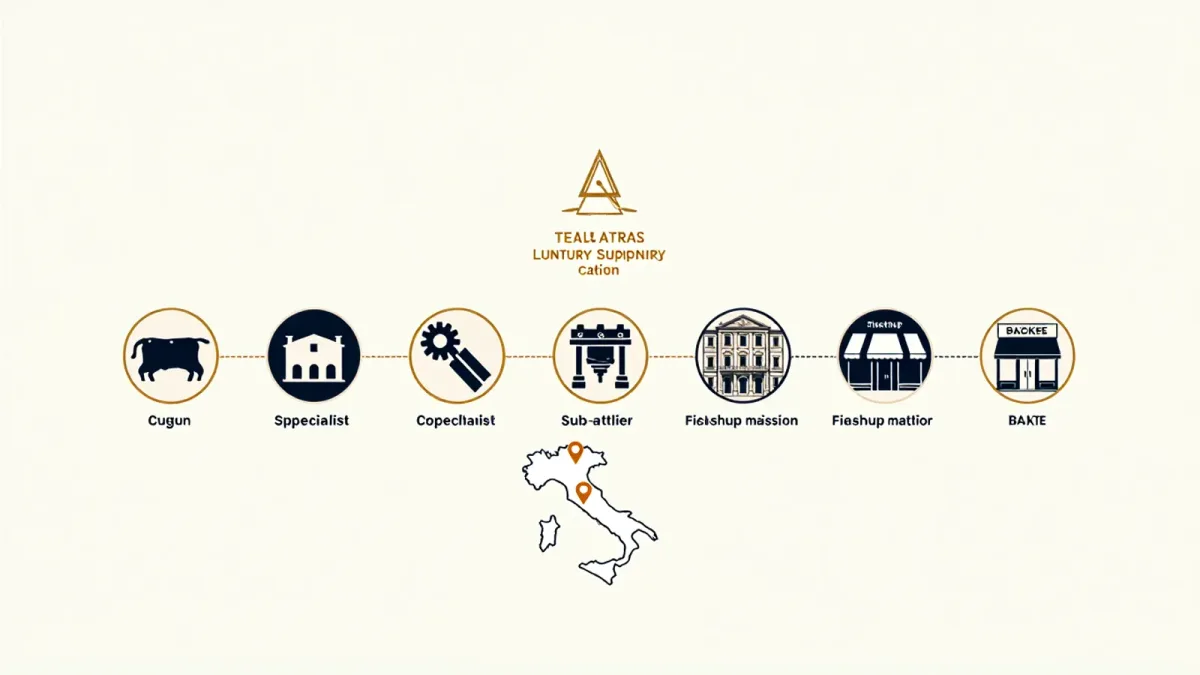
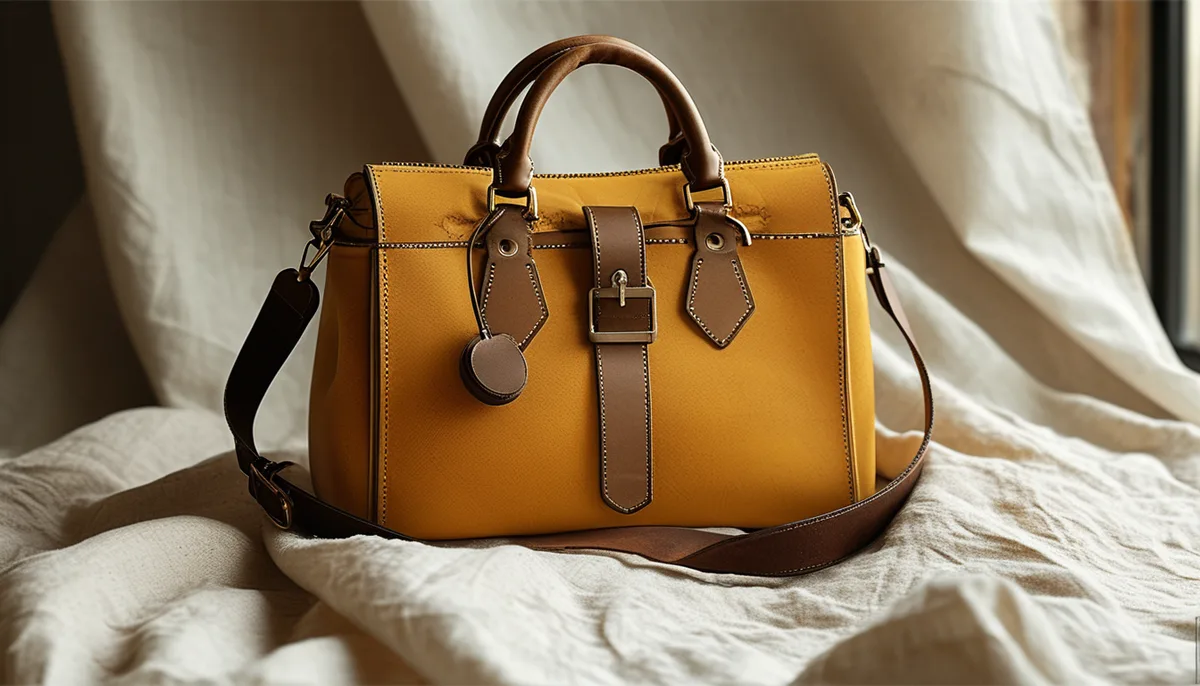
Tanneries in Tuscany, component specialists, sub-ateliers and the flagship workshop: the tiers behind a 'Made in Italy' stamp — and what each adds to the price.
Logo fatigue, resale mathematics and the television effect: how the status signal migrated from monogram to cut — and what that means for a buyer's checklist.
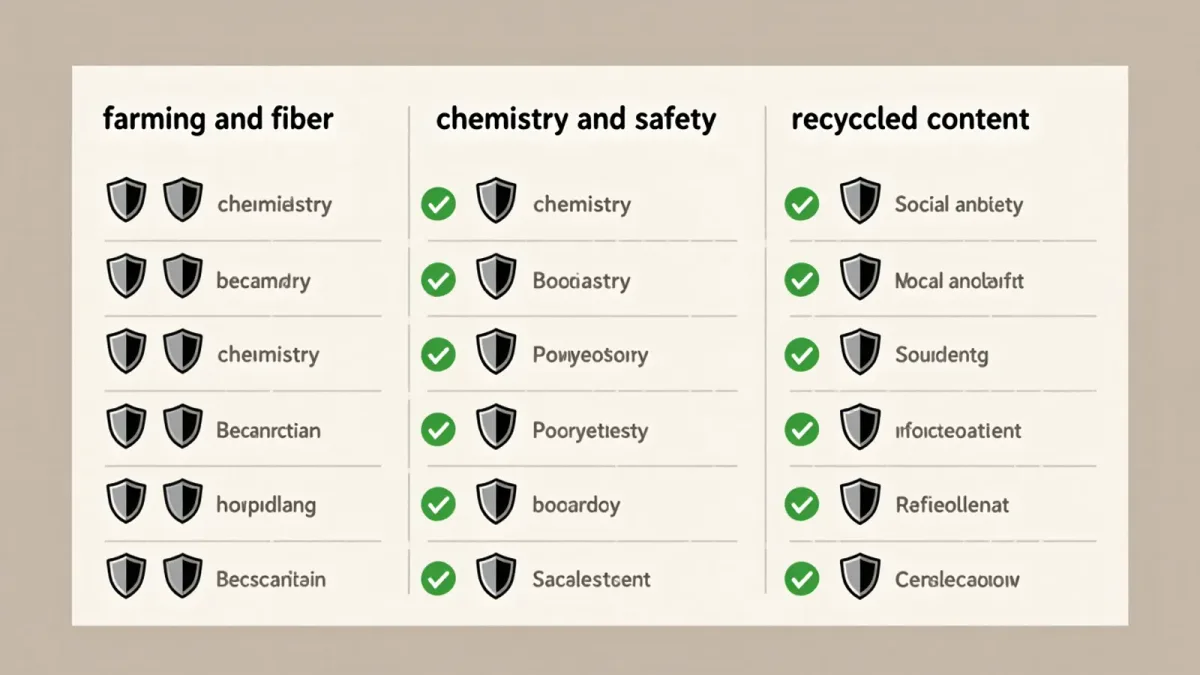
Which labels verify farming, which verify chemistry, which verify recycled content — and the four questions that separate a certification from a self-declared badge.
Twelve to eighteen months, re-engineered fabrics, licensing fees and drop-day logistics — the production mechanics behind designer capsules, and how to judge one on arrival.
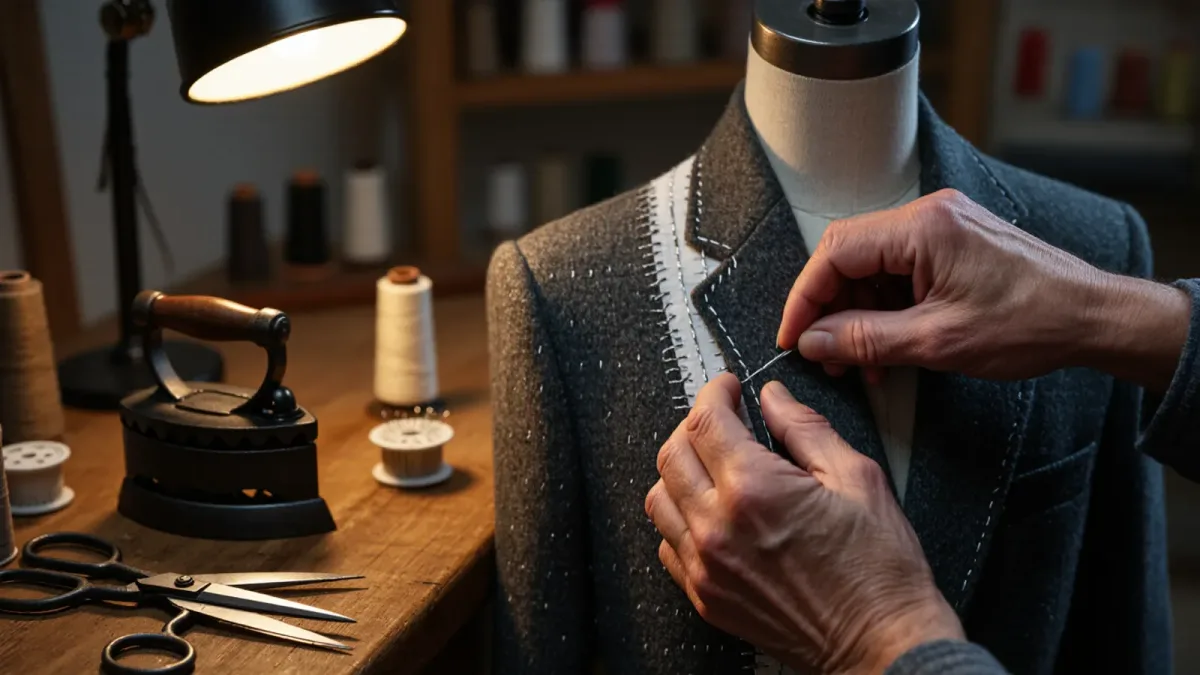
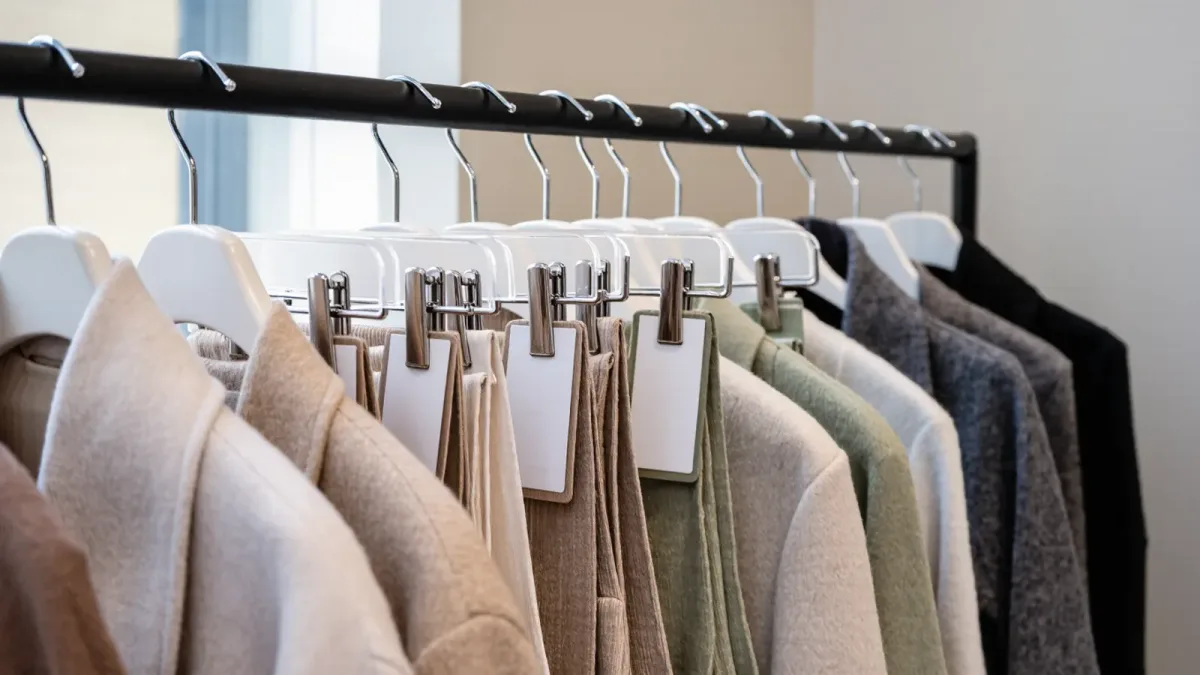
Shoulders decide whether a blazer costs €300 or €3,000 — the layered architecture of canvassing, wadding and pad stitches that keeps a suit's line for a decade.
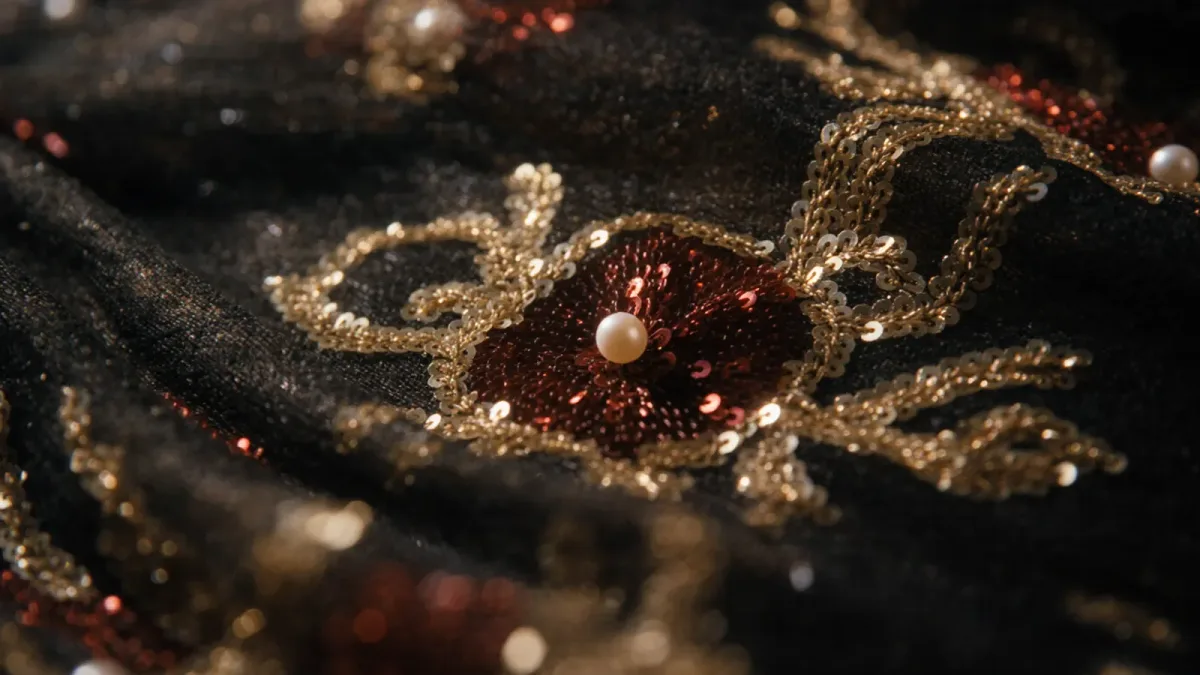
A fully embroidered couture gown can absorb 300 to 1,000 hours at the embroidery frame — the mechanics of motifs, palettes and per-hour math behind fashion's most expensive decoration.
Published July 29, 2026, Hermès's first-half results showed revenue up 6 percent at constant exchange rates, with momentum accelerating to 7 percent in the second quarter.
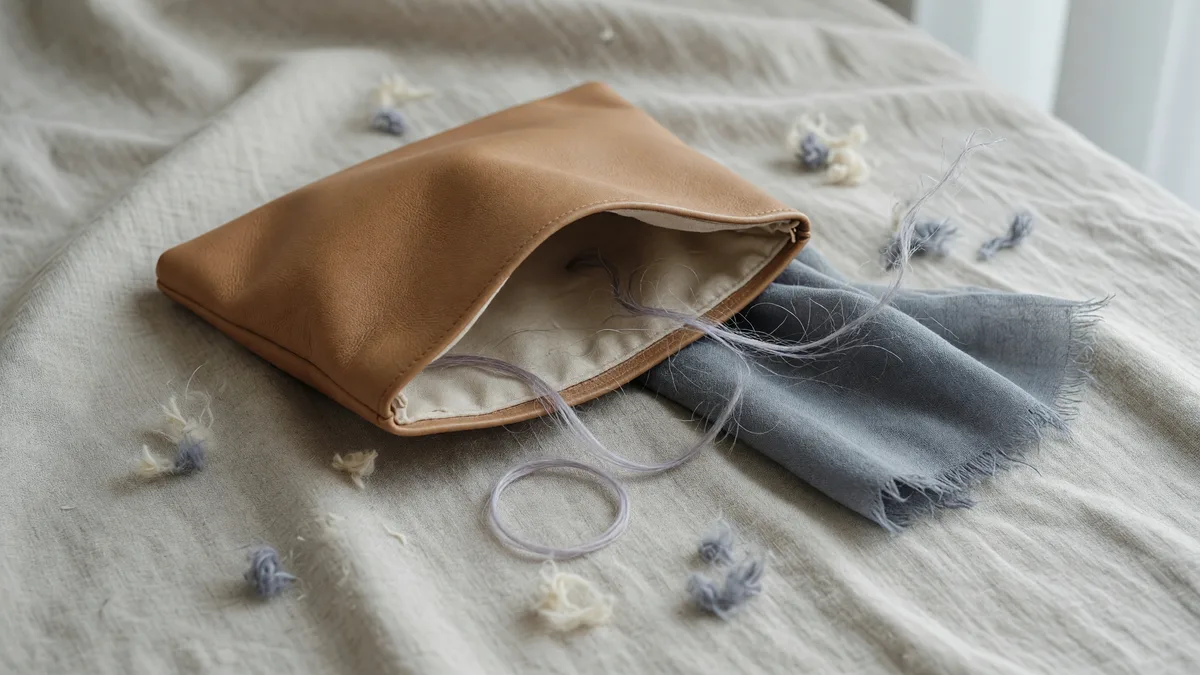
Those small fiber balls on a cashmere sweater are not automatically a verdict on quality. The fiber length, the weave and the wash cycle matter more than the price tag.
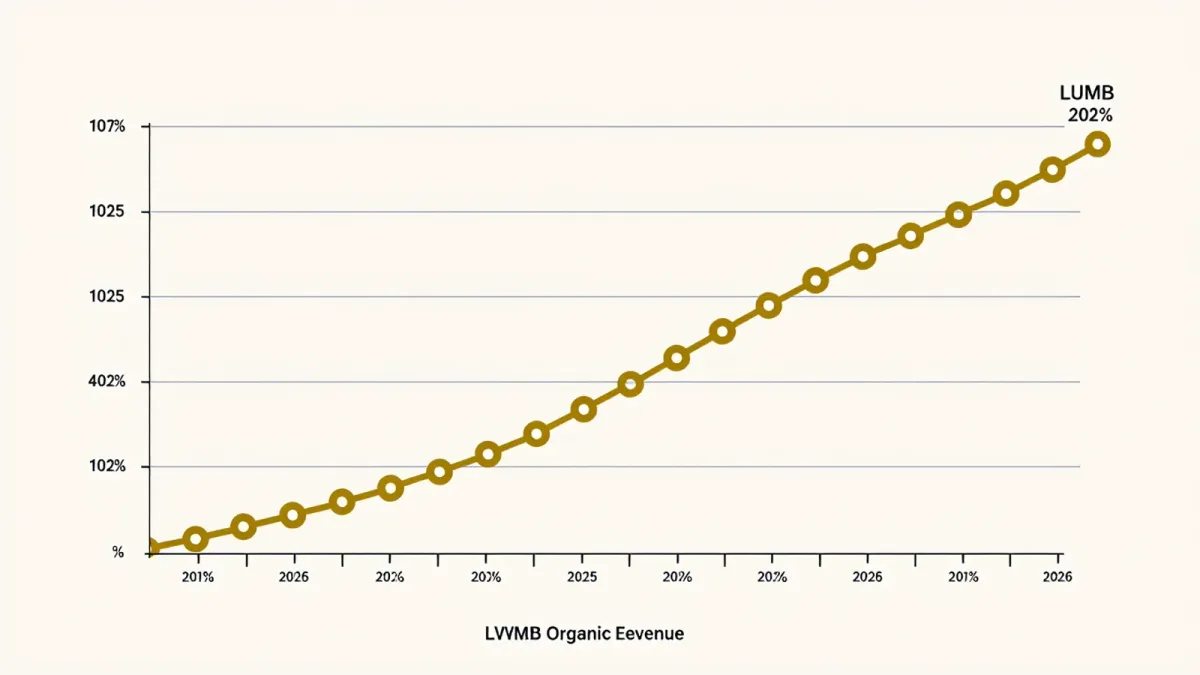
Revenue fell 3 percent reported on currency but rose 2 percent organically, accelerating to 3 percent in the second quarter — the clearest evidence yet that the luxury downturn ended in 2025.
The 14th annual report projects the global secondhand apparel market growing 2X faster than overall apparel, at a 7.3 percent CAGR through 2030 — with new shoppers driving nearly two-thirds of the growth.
The Empowering Consumers Directive applies from September 27, 2026, banning generic environmental claims and offset-based "climate neutral" labels — and fashion is its most exposed sector.
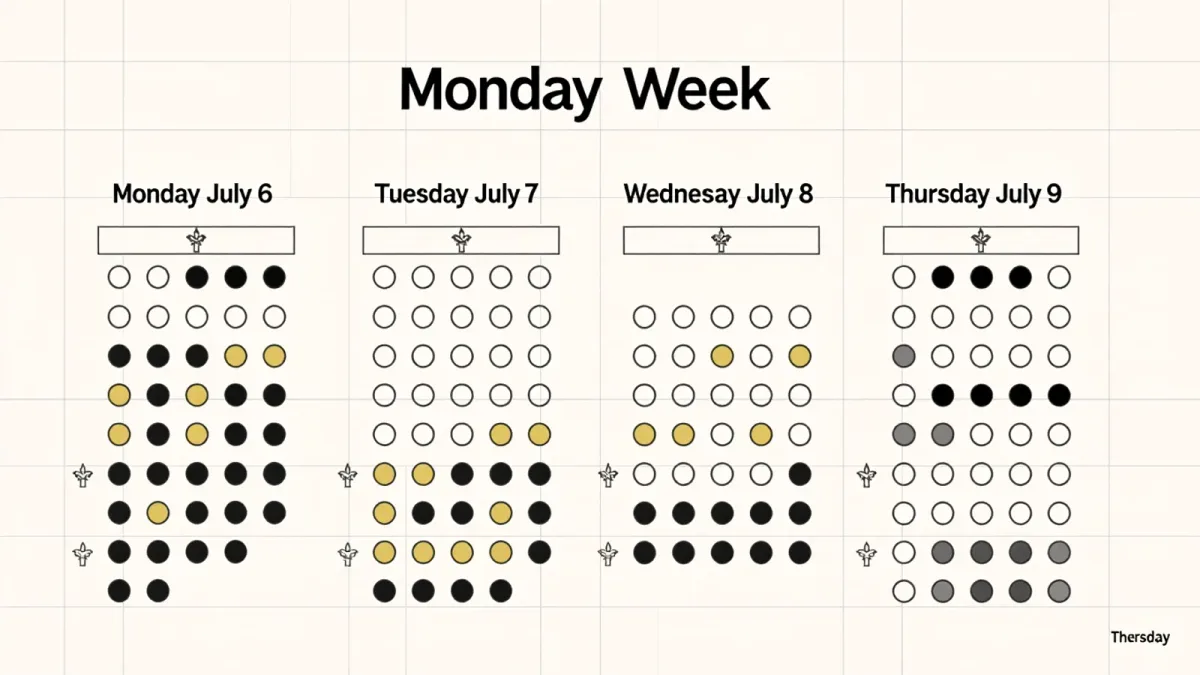
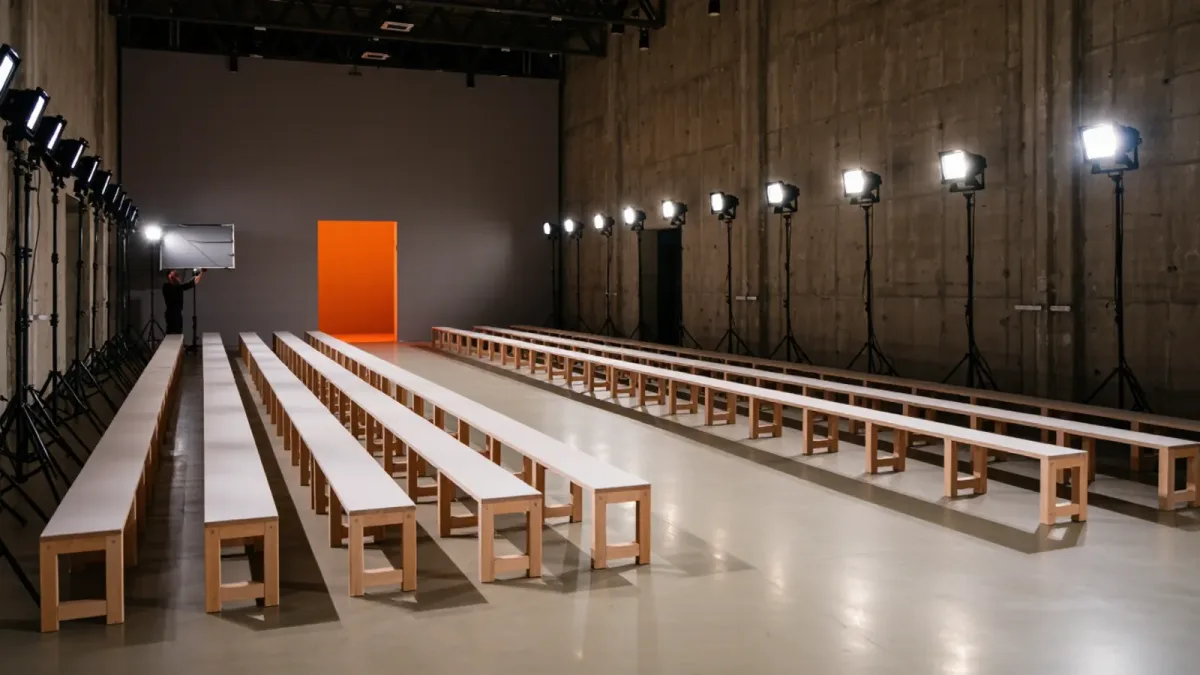
Paris haute couture's fall/winter 2026 season filled July 6-9 with 30 shows, up from 27 houses a season earlier, with Balenciaga and Jean Paul Gaultier debuts leading the talk.
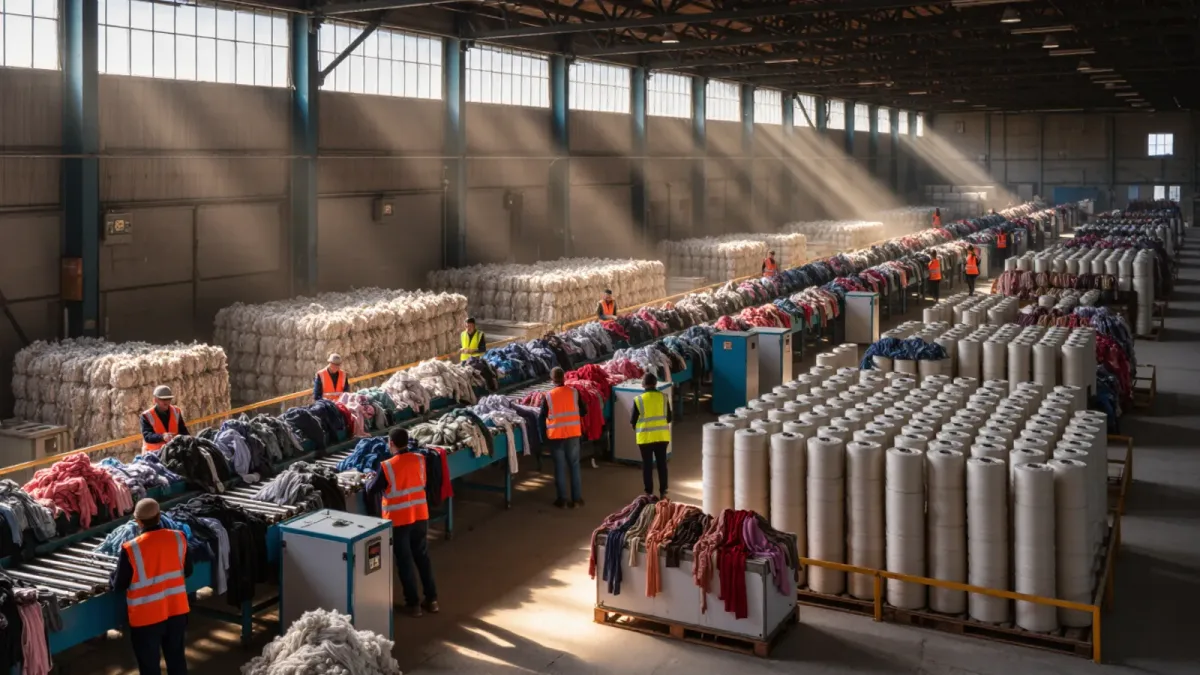
Chemical recycling can turn a worn shirt back into virgin-grade fiber — here is what works at scale, what is still pilot-stage, and how to read a garment's recyclability.
Milan's men's shows run June 19-23, 2026, before Paris takes over June 23-28 — the first full season where the big houses' new menswear directors face repeat judgment.
Louis Vuitton, Chanel and Swarovski all upgraded or opened Fifth Avenue flagships, per FashionUnited's February 2026 analysis, making the corridor the clearest read on where luxury retail capital is going.
Announced in early May 2026, the house's 2026/27 Métiers d'Art show heads to Rome — continuing the collection that exists to showcase ateliers, not seasons.
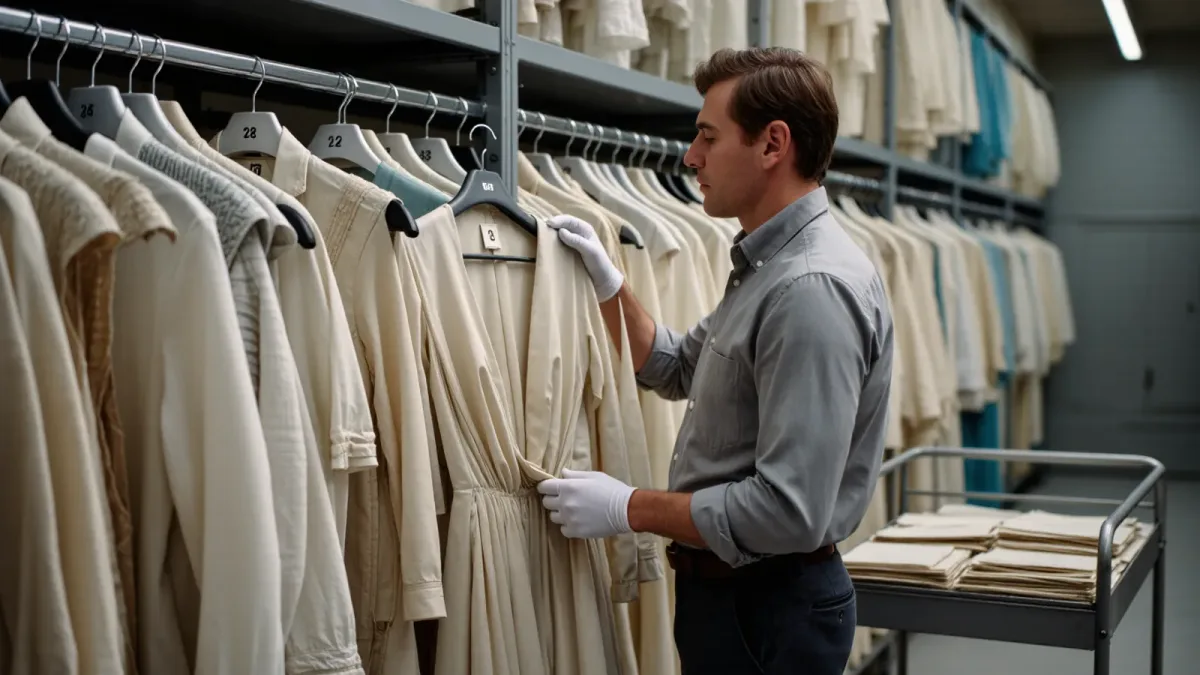
Climate-controlled vaults, numbered looks, sample rooms full of deadstock — how fashion houses mine their own pasts, and how to tell archive-led design from archive-washing.
Brand take-back schemes promise a second life for returned goods — the record, including a destroyed-goods scandal, shows what separates real circularity from marketing.