Luxury
The Quiet Rules of Luxury Travel, According to the Experts
Discretion, not display, is what separates a seasoned traveler from a tourist — and the habits are learnable.
Most coverage is built for the scroll. A better reading habit sorts signal from micro-trend in ten minutes a day.
Storytelling now does much of the selling in slow-made knitwear. The fibre still has to do the rest.
Fashion money, followed properly.
Discretion, not display, is what separates a seasoned traveler from a tourist — and the habits are learnable.
Fiber length, ply and grade decide how a sweater behaves after its third winter. Here is how to read them before you pay.
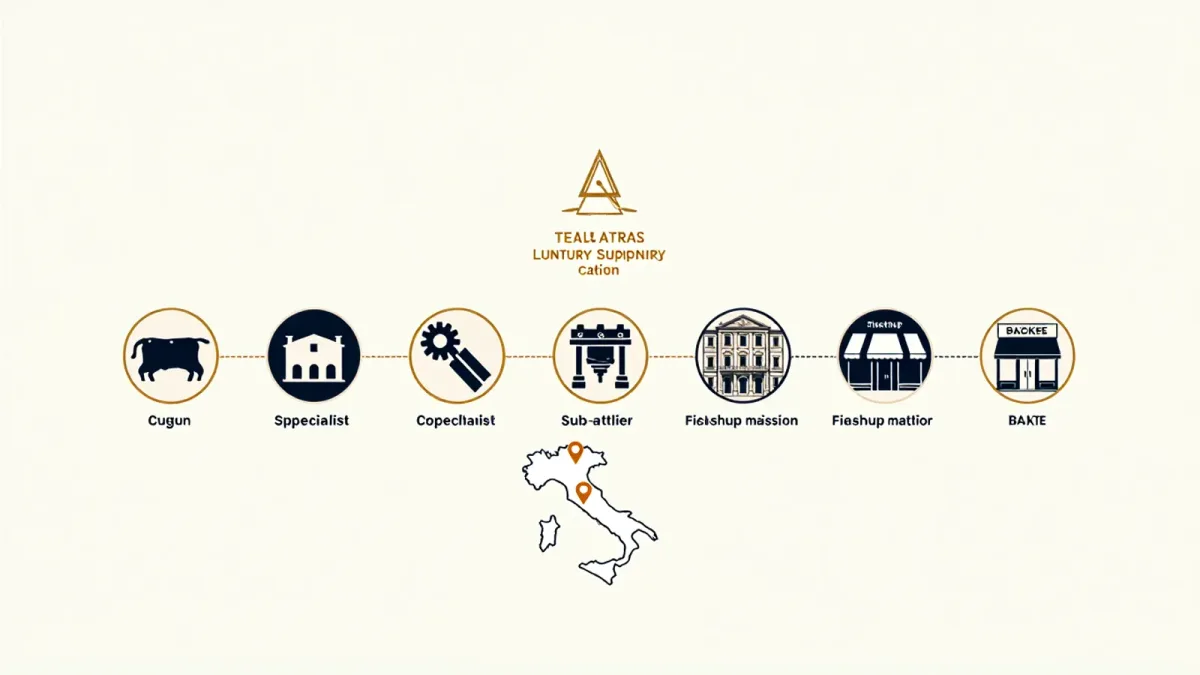
Tanneries in Tuscany, component specialists, sub-ateliers and the flagship workshop: the tiers behind a 'Made in Italy' stamp — and what each adds to the price.

A short list of films that inform without numbing — and how to tell a useful one from a well-shot lecture.

Unused mill rolls and cancelled orders are becoming a quiet sourcing strategy at the top of the market.
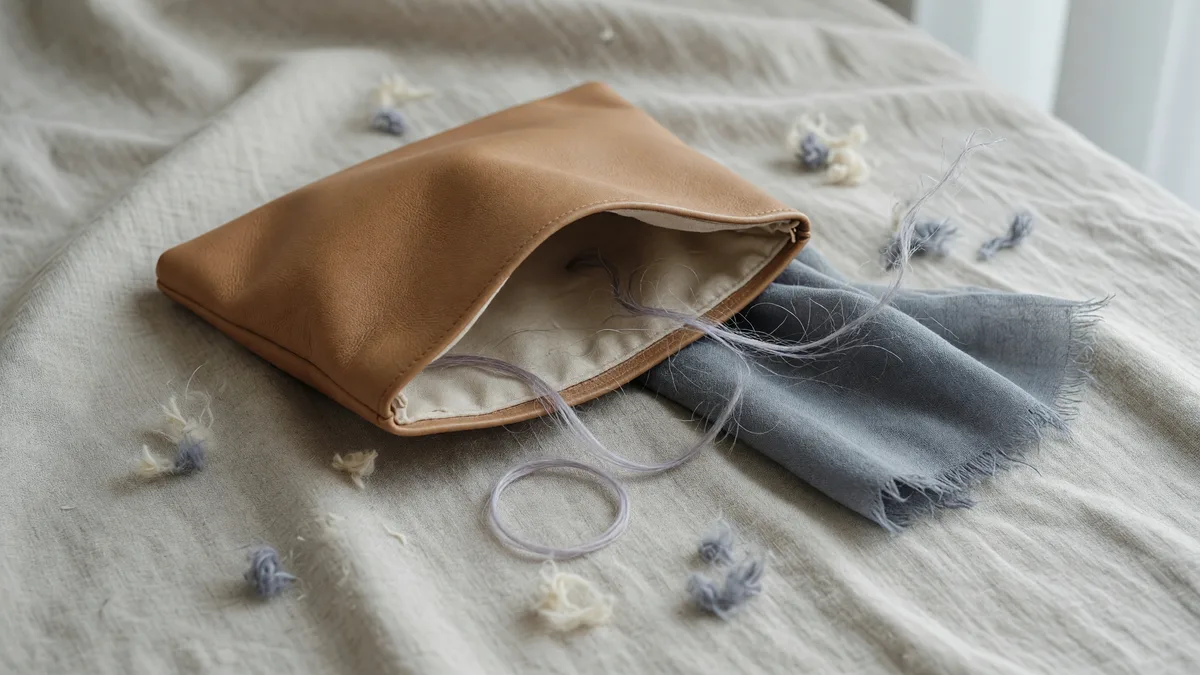
Every polyester wash sheds plastic fragments too small to see. Here is what the research says and what actually reduces the shedding.

The kettle you scald yourself on and the door you push when you should pull are both lessons — in disguise.
A pair can look the part and still fall apart in a season. Here is how to read the construction before you read the label.
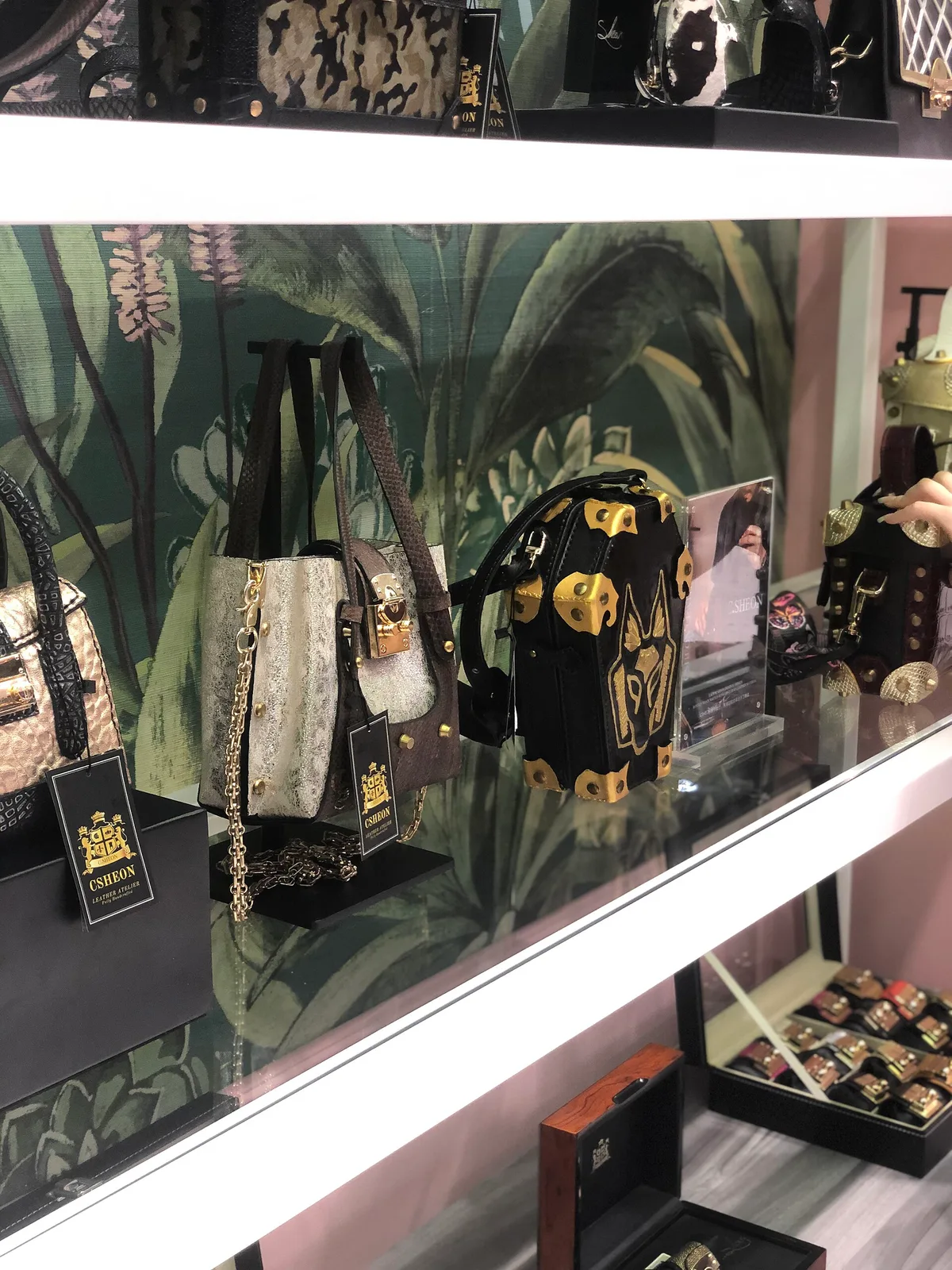
Resale value, wearability and construction, weighed before the logo.
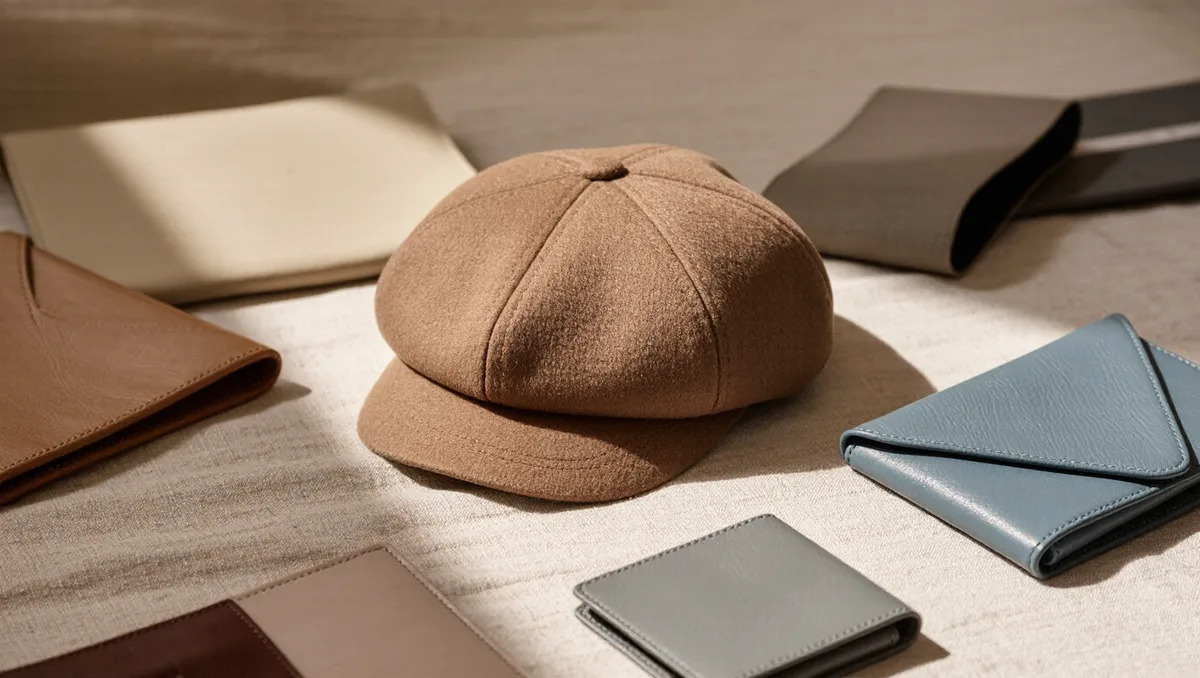
A flat cap reads sharp when the fit, the fabric and the rest of the outfit are modern. Here is how to get the proportions right.
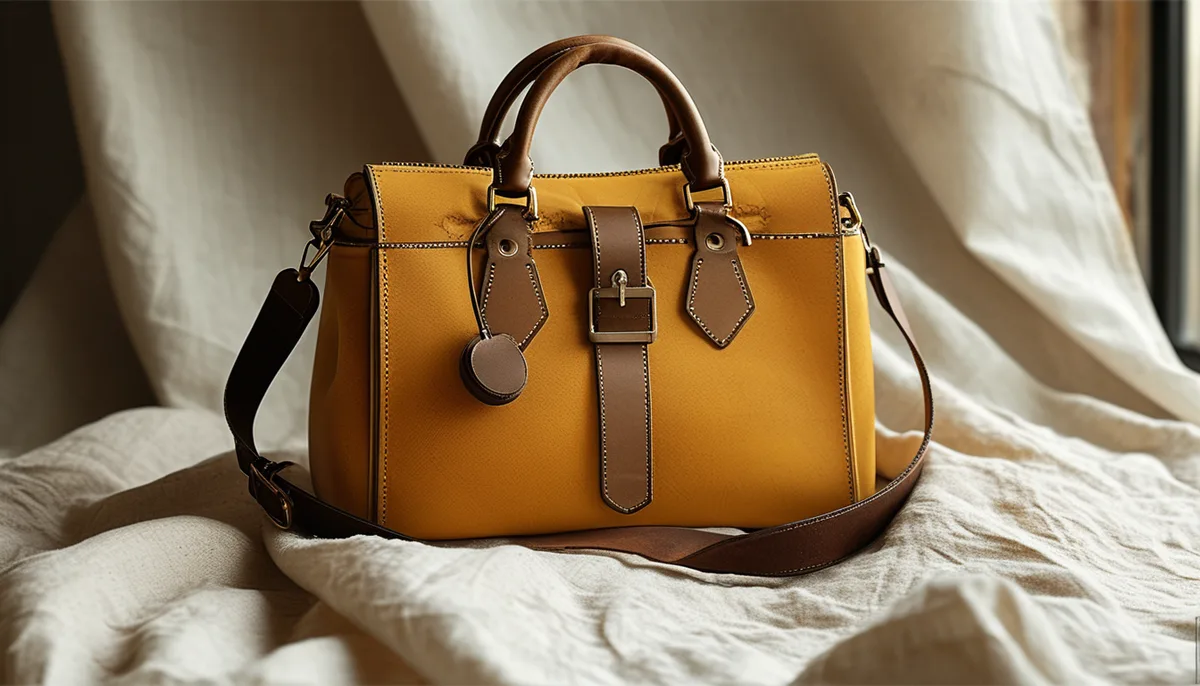
The bargain at the till is paid for in water, wages and wear — and that is exactly why considered design costs more.
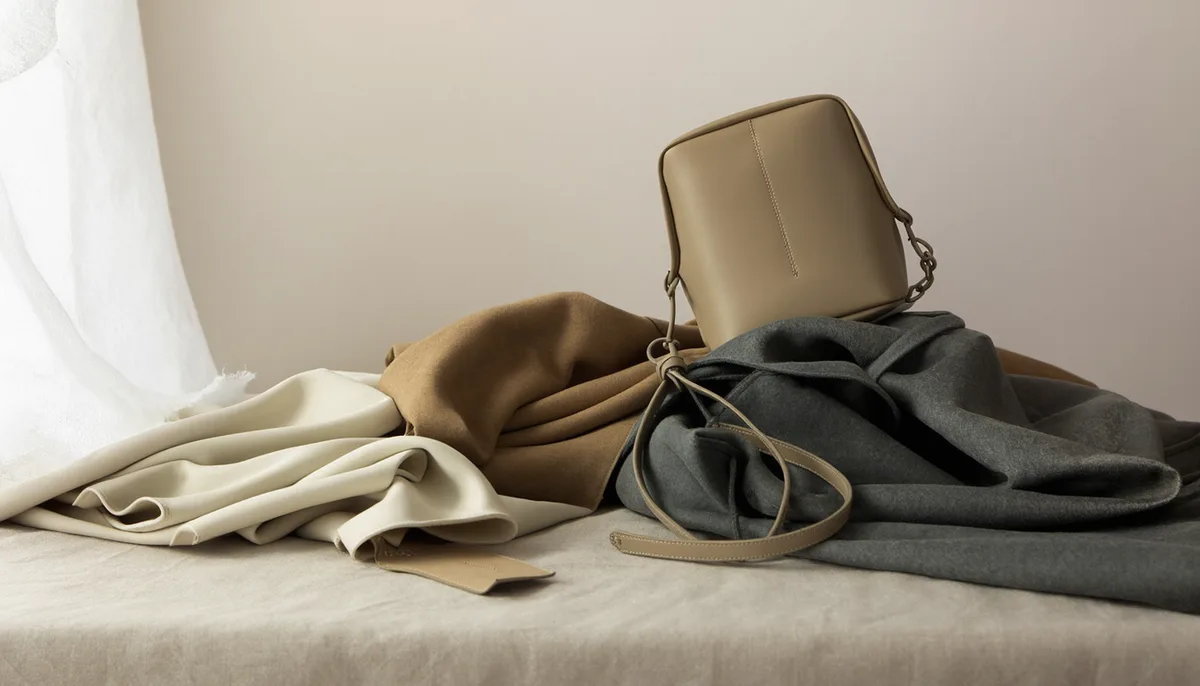
Vague eco-language, one virtuous capsule collection, an untraceable supply chain: the pattern repeats, and it's learnable.
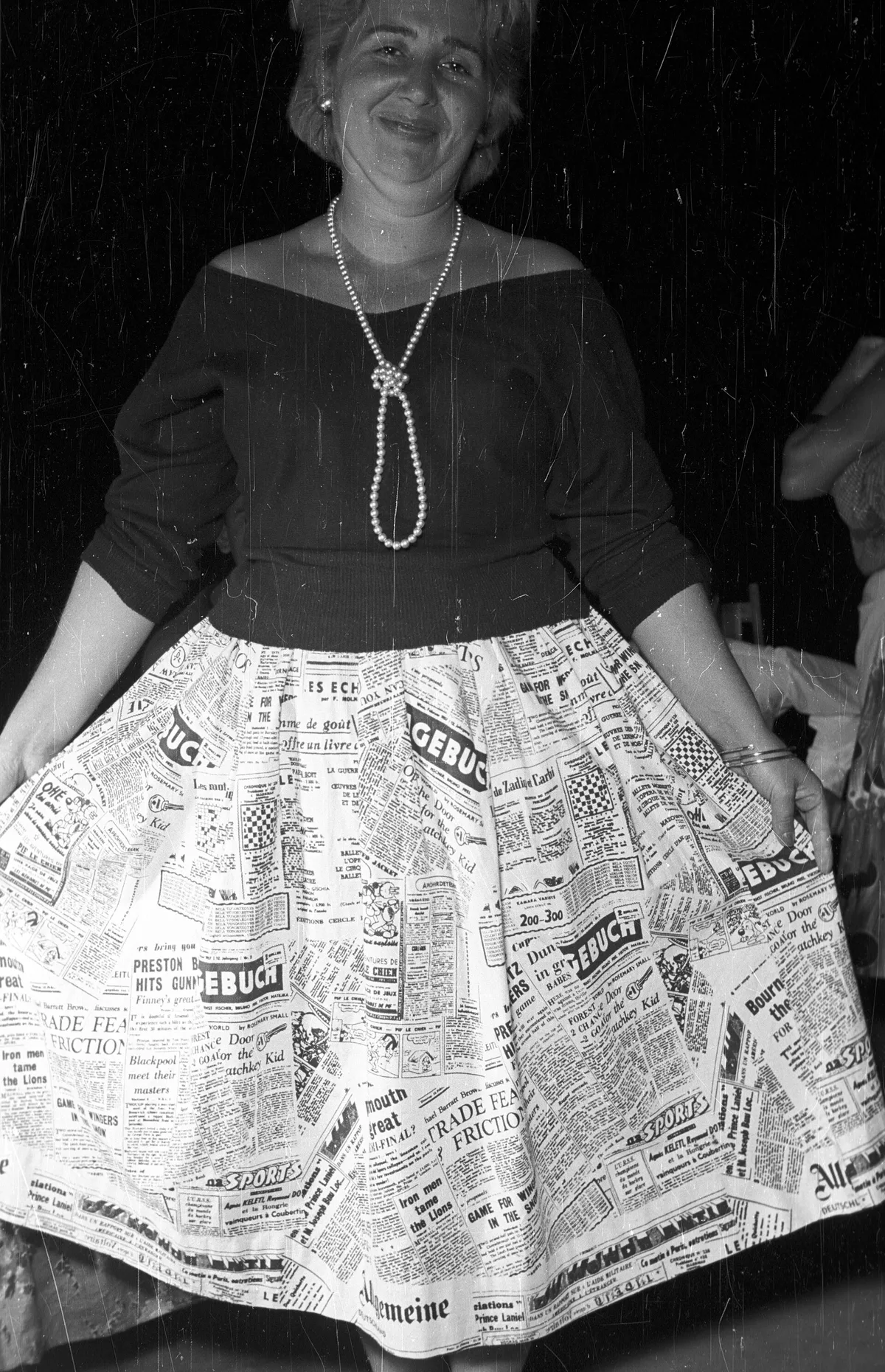
A century of fashion journalism, traced from the social register to the runway review — and what the shift means for how we read style today.
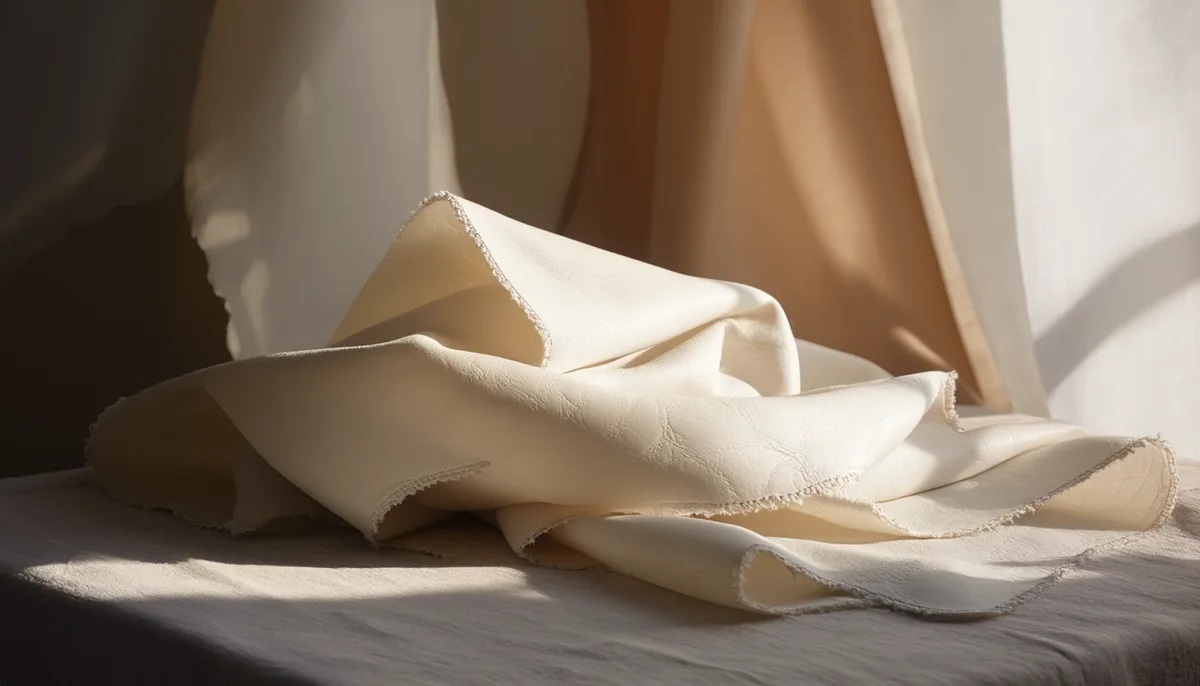
Those small fiber balls on a cashmere sweater are not automatically a verdict on quality. The fiber length, the weave and the wash cycle matter more than the price tag.
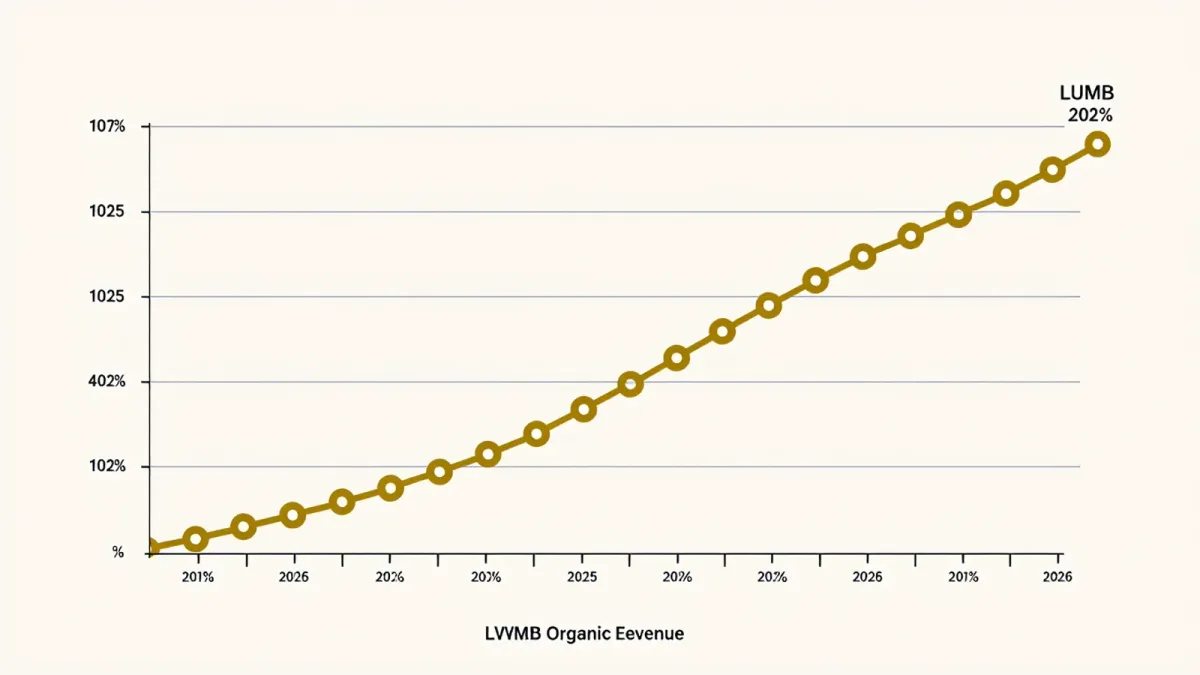
Revenue fell 3 percent reported on currency but rose 2 percent organically, accelerating to 3 percent in the second quarter — the clearest evidence yet that the luxury downturn ended in 2025.
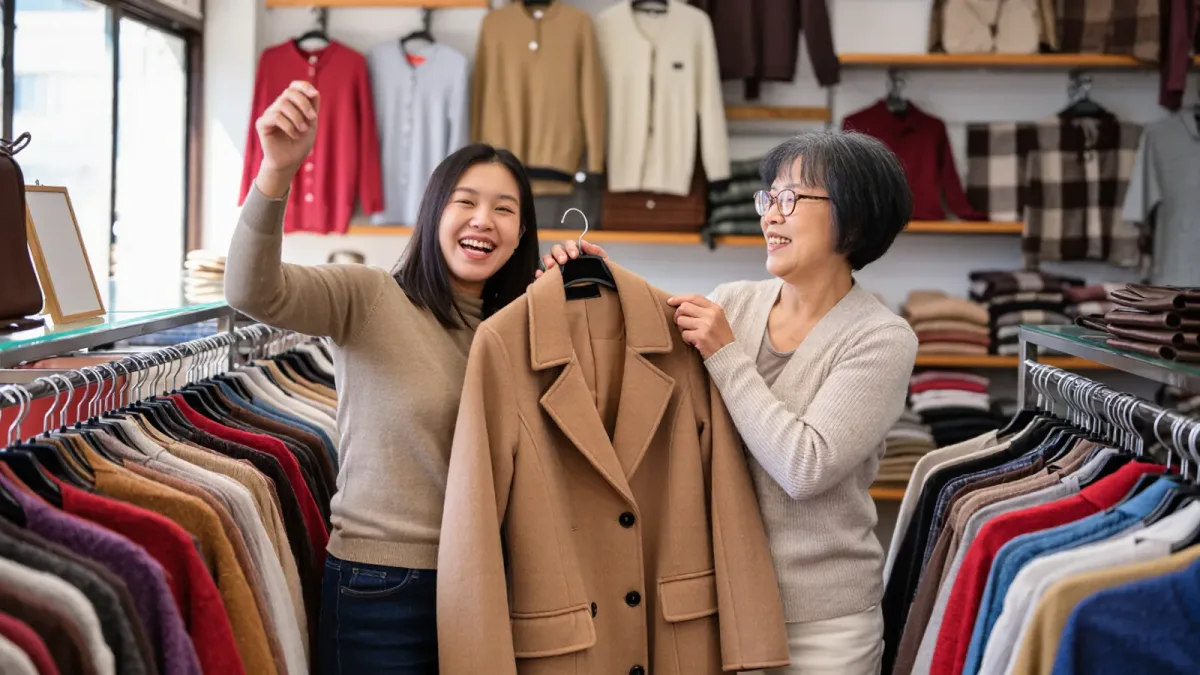
The 14th annual report projects the global secondhand apparel market growing 2X faster than overall apparel, at a 7.3 percent CAGR through 2030 — with new shoppers driving nearly two-thirds of the growth.
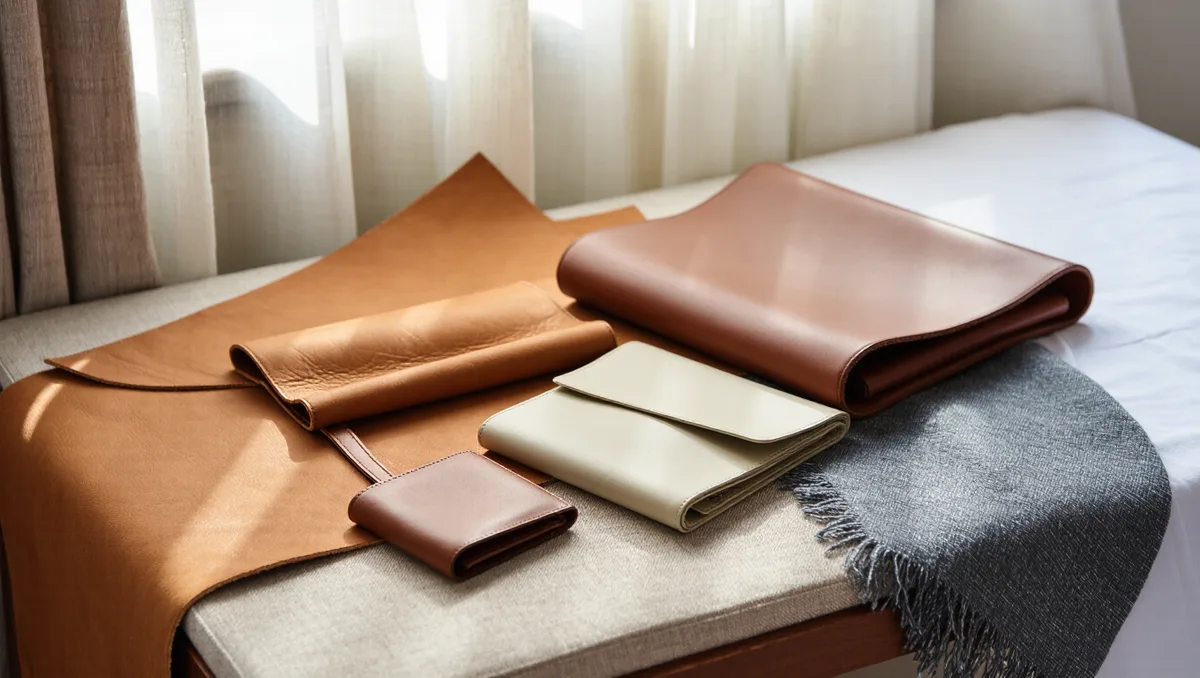
A practical guide to buying authentic modern design classics — and telling a licensed original from a convincing copy.

Published July 29, 2026, Hermès's first-half results showed revenue up 6 percent at constant exchange rates, with momentum accelerating to 7 percent in the second quarter.
Twelve to eighteen months, re-engineered fabrics, licensing fees and drop-day logistics — the production mechanics behind designer capsules, and how to judge one on arrival.
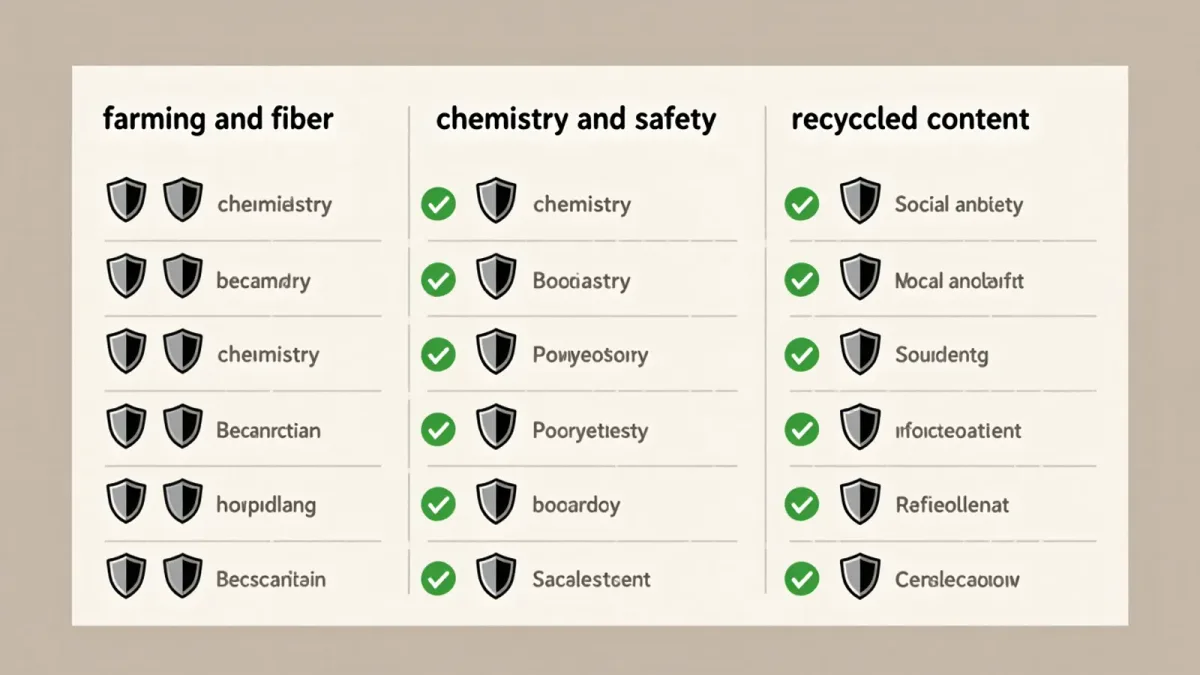
Which labels verify farming, which verify chemistry, which verify recycled content — and the four questions that separate a certification from a self-declared badge.
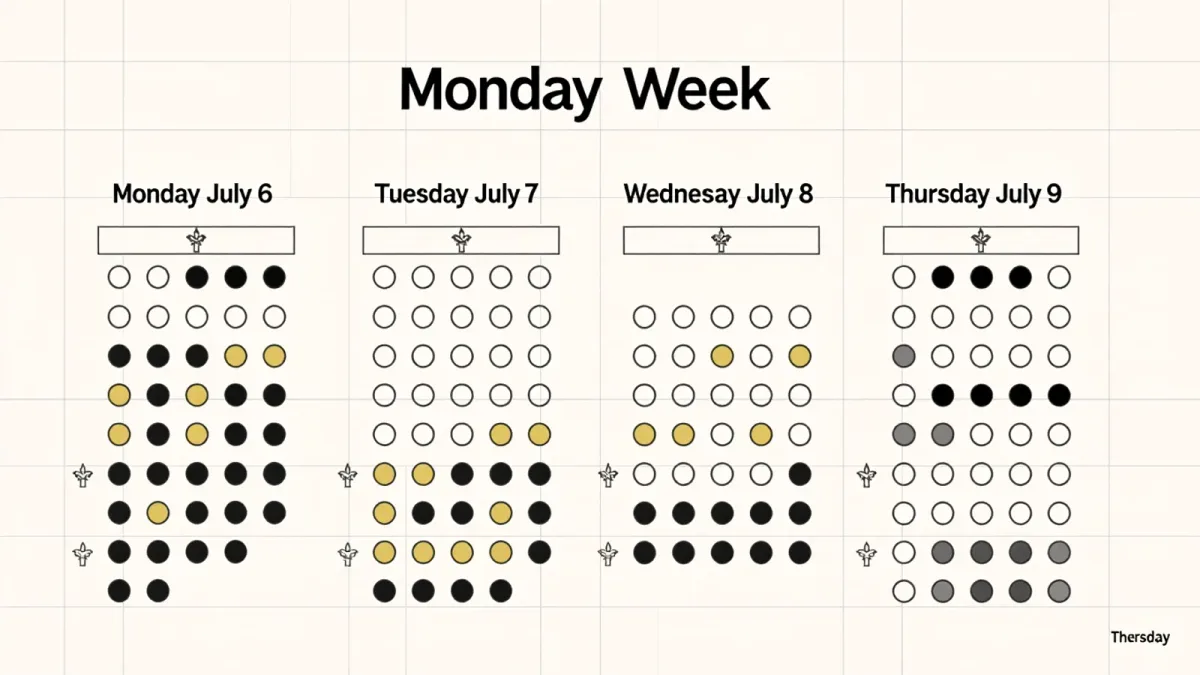
Paris haute couture's fall/winter 2026 season filled July 6-9 with 30 shows, up from 27 houses a season earlier, with Balenciaga and Jean Paul Gaultier debuts leading the talk.
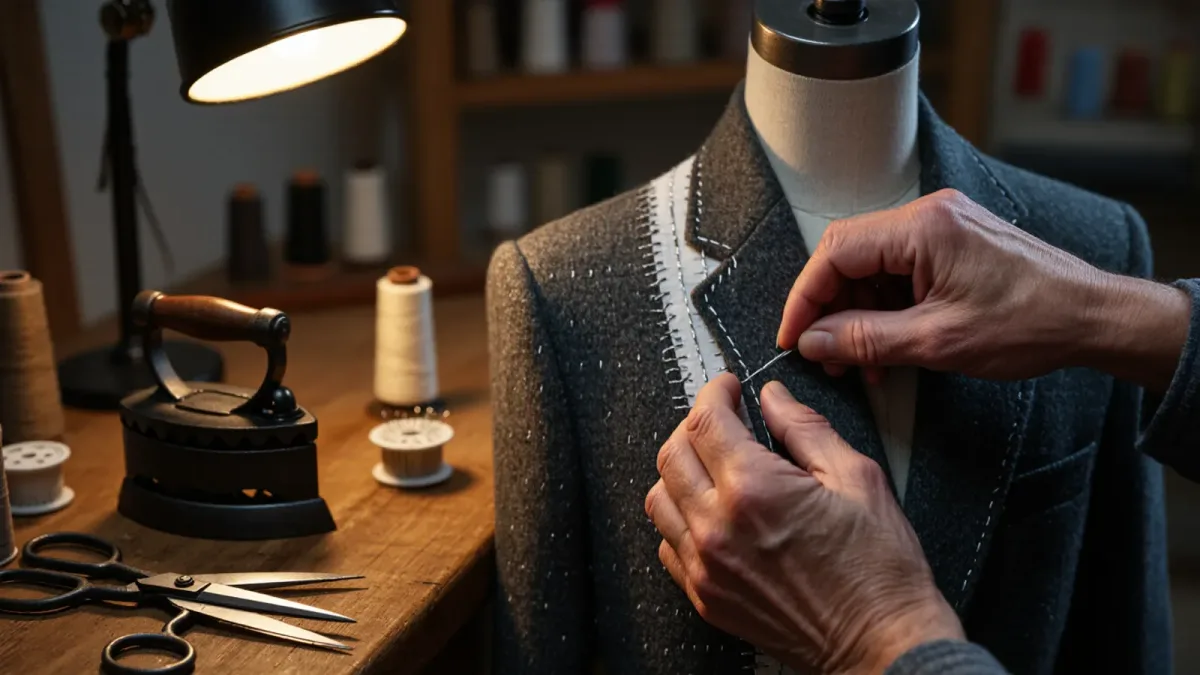
Shoulders decide whether a blazer costs €300 or €3,000 — the layered architecture of canvassing, wadding and pad stitches that keeps a suit's line for a decade.
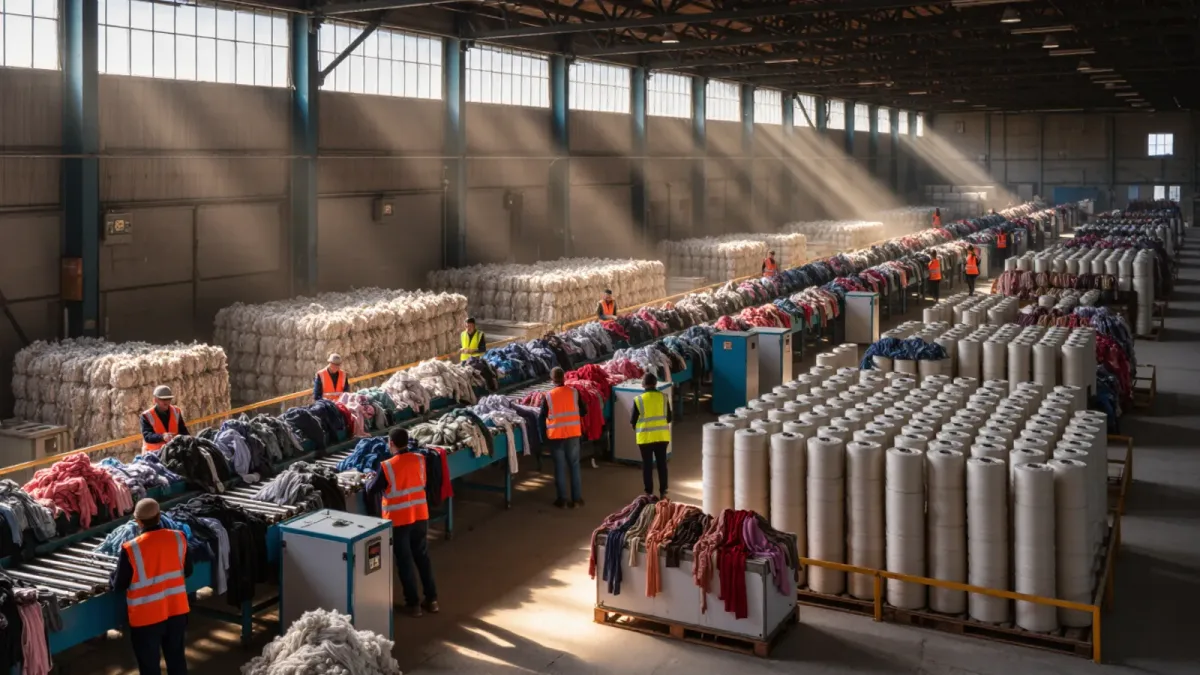
Chemical recycling can turn a worn shirt back into virgin-grade fiber — here is what works at scale, what is still pilot-stage, and how to read a garment's recyclability.

Hallmarks, era construction, stone cuts and the dealer questions that matter — how to buy pre-owned jewelry without paying for a story.