The seasoned traveler is rarely the loudest person in the lounge. The habits that separate experience from expense are mostly invisible: where you stand, when you speak, what you carry, what you leave unsaid. This piece sets out those habits as we read them — not as a checklist of status tricks, but as a working theory of why discretion travels better than display.
The word itself carries the argument. Quiet, as Merriam-Webster defines it, spans stillness, calm and an absence of activity — and its usage examples tell a story of their own. One cited passage, drawn from a Saveur essay, describes breakfast at a members-only club in Mumbai as "a meal of quiet elegance," a room of peaceful stillness set against the tumult of the street outside. That contrast is the whole thesis: the quiet is a choice, made inside a loud world, and it reads as elegance precisely because it does not announce itself.
It is the same instinct we traced in our piece on why the most expensive things stopped announcing themselves. In travel, the logic is sharper, because everyone around you is tired, observed and slightly exposed. How you behave when tired is the real tell. This connects to our earlier piece, Quiet Luxury: Why the Most Expensive Things Stopped Announcing Themselves.
What does "traveling quietly" actually mean?
It means letting the room set the volume, not you. The Cambridge English Dictionary lists the senses in order: making very little noise, then without activity, then calm — and notes the phrase "quiet dignity," which is the useful one here. Quiet travel is quiet dignity applied to logistics. You move with intention, you ask rather than demand, and you treat service staff as professionals rather than props.
The practical markers are small. A traveler who knows the lounge closes at a certain hour does not test the limit. Someone who has taken the same route a dozen times does not narrate it. The tourist photographs the lobby; the regular knows which table has the outlet. None of this requires money. It requires attention, which is why it cannot be bought outright.
Why does discretion read as wealth?
Because display is a signal aimed at strangers, and the people who no longer need to signal strangers stop sending it. The logic mirrors the object world this magazine covers: a hand-seamed bag or a quietly finished watch movement spends its effort where only the informed will notice. Travel behaves the same way. The most expensive seat in the cabin is the one nobody comments on.
There is also a defensive logic. Visible wealth while traveling makes you a target — for overcharging, for petty theft, for the small social tax of being pegged as a mark. Blending in is not modesty. It is risk management with better manners.
Which habits carry the most weight?
Our analysis of the pattern — and it is a pattern, not a rulebook — points to a handful of behaviors that recur wherever experienced travelers gather. Treat these as considerations to weigh, not directives to obey.
- Arrive prepared, not early. The seasoned traveler has documents, addresses and confirmations settled before departure, so the journey itself is calm rather than a scramble.
- Speak to staff by role, not volume. A quiet request to the right person outperforms a loud one to the nearest person. This is true in every language.
- Carry less than you can. Every extra bag is a decision you must keep making. Fewer decisions, fewer mistakes, less noise in every sense.
- Learn three phrases. Greeting, please, thank you. Small effort, disproportionate return, and it changes how you are read in any country.
- Leave the room as you found it. The habit reads as character, and character is the one thing no upgrade can supply.
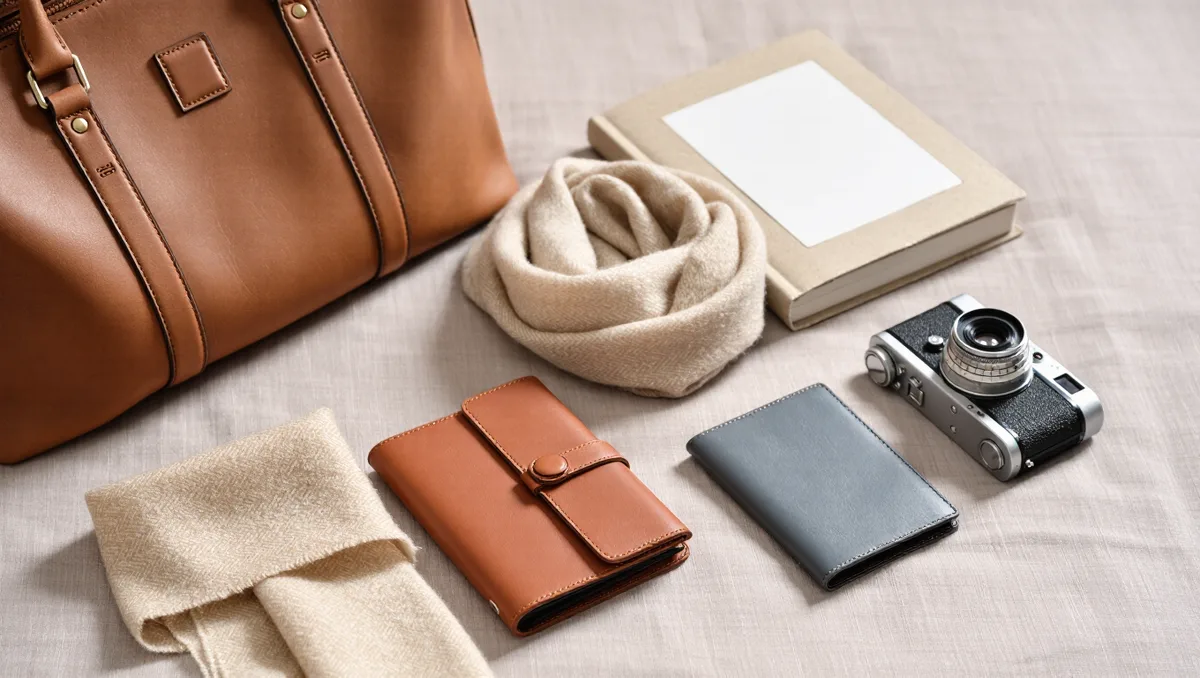
Notice what is missing: logos, names, flexes. The quiet traveler's luggage is chosen for how it handles cobblestones, not for what it says across a terminal. The same craft-over-brand reasoning we apply to luxury goods applies to how you move through the world.
What this means for your next trip
What this means is simple: the unspoken rules are really attention rules. Before the next long journey, audit one thing — not your wardrobe, your behavior. Where do you get impatient? Where do you raise your voice? Where do you perform for people who are not watching? Those three answers will do more for how you travel than any upgrade. For related coverage, see Cashmere Grades Explained: Why Some Sweaters Pill, Stretch and Cost Three Times More.
The evidence here is qualitative, and we should say so plainly. No survey in the supplied material quantifies these habits, and we have invented nothing to fill the gap. What the record does support is the linguistic and cultural case: dictionaries of record treat quiet as calm, restraint and dignity, and travel writing reaches for the same word when it wants to describe the best version of a room. The rest is observation, offered as such.
The last word on quiet travel
Luxury, in travel as in objects, is finally a question of cost per wear — or, here, cost per journey. Loudness costs attention every time. Quiet pays a dividend: better service, fewer problems, and the particular pleasure of moving through a place without disturbing it. The experts, wherever they work, would recognize the arithmetic immediately.