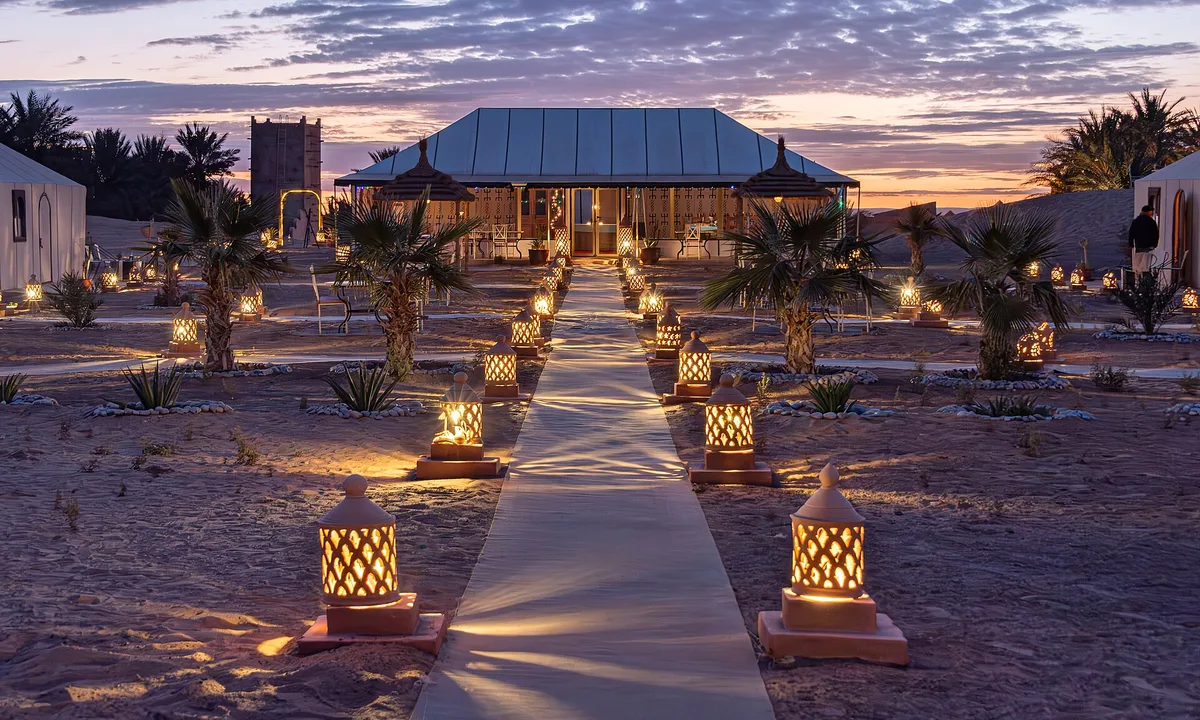
The tent has a proper bed. The bathroom is steps away, and breakfast is included. This is camping without the soggy ground sheet, and it has a name: glamping. The idea draws millions of travelers who want the outdoors without giving up comfort.
It also draws a fair question. A night under canvas now sometimes costs as much as a hotel room. So what are you actually paying for, and when is it worth it?
What Glamping Actually Is
According to Wikipedia's article on glamping, glamping is a style of camping with amenities and, in some cases, resort-style services not usually linked with traditional camping. The word blends glamorous and camping. The accommodations vary widely, from cabins and treehouses to large tents with real furniture.
Wikipedia notes its appeal to modern tourists who want amenities such as Wi-Fi alongside the escapism and adventure of camping. That pairing is the heart of the offer. You get the fire, the stars, and the quiet morning, plus the soft sheets. We covered a connected angle in The Quiet Rules of Luxury Travel, According to the Experts.
An Old Idea With a New Name
The word is young, but the habit is old. Wikipedia traces it to the United Kingdom in 2005, and the Oxford English Dictionary added the word in 2016. Centuries earlier, the Scottish Earl of Atholl pitched lavish tents in the Highlands for a visit by King James V, filling them with the provisions of his own palace.
The most famous example came in 1520, at the Field of the Cloth of Gold, a diplomatic summit between Francis I of France and Henry VIII of England. Around 2,800 tents and marquees were raised, and fountains ran with red wine, according to Wikipedia. In the 1920s, wealthy Americans and British travelers brought electric generators, folding baths, and cases of champagne on African safaris.
What You Are Really Paying For
A glamping price covers far more than a place to sleep. The structures themselves are semi-permanent, built to resist weather and stay put. Beds, linens, lighting, and often private bathrooms are installed and maintained. Staff cook, clean, and guide, which is the resort half of the bargain.
Location does quiet work too. Operators secure sites with views and space that a lone traveler could rarely book. Wikipedia quotes the modern pitch as spacious designer-outfitted tents with soft sheets instead of sweaty sleeping bags. You are paying to skip the packing, the guesswork, and the gear shop.
Demand shows no sign of fading. Wikipedia cites the market analysis firm IMARC Group, which estimated the glamping market in Mexico at 47.9 million US dollars in 2025 and projects growth to 124.5 million by 2034. Operators are clearly betting that comfort in the wild will keep selling.
The Case For and Against
The case for glamping is simple. It opens the outdoors to people who cannot or will not sleep on the ground. Families with small children, travelers without gear, and anyone short on time all get nature with the friction removed. The model also supports low-density tourism, which Wikipedia notes is part of its growth. Interest has risen again since 2020, when the pandemic pushed travelers toward outdoor recreation and distance.
The case against is just as simple. It is expensive for what it is. Traditional campers sleep under the same stars for a fraction of the cost, and part of camping's joy is the self-reliance glamping removes. If the luxury matters more than the wilderness, a hotel may serve you better. For related coverage, see Quiet Luxury: Why the Most Expensive Things Stopped Announcing Themselves.
Conclusion
Glamping is camping with the hard edges sanded off, and it always has been, from royal tent cities to safari champagne. Whether it is worth the price depends on what you are buying. If you want pure shelter, it is poor value. If you want the sunrise, the campfire, and the night sounds, with a real bed at the end of them, the premium can feel fair. Decide which half you are paying for before you book.