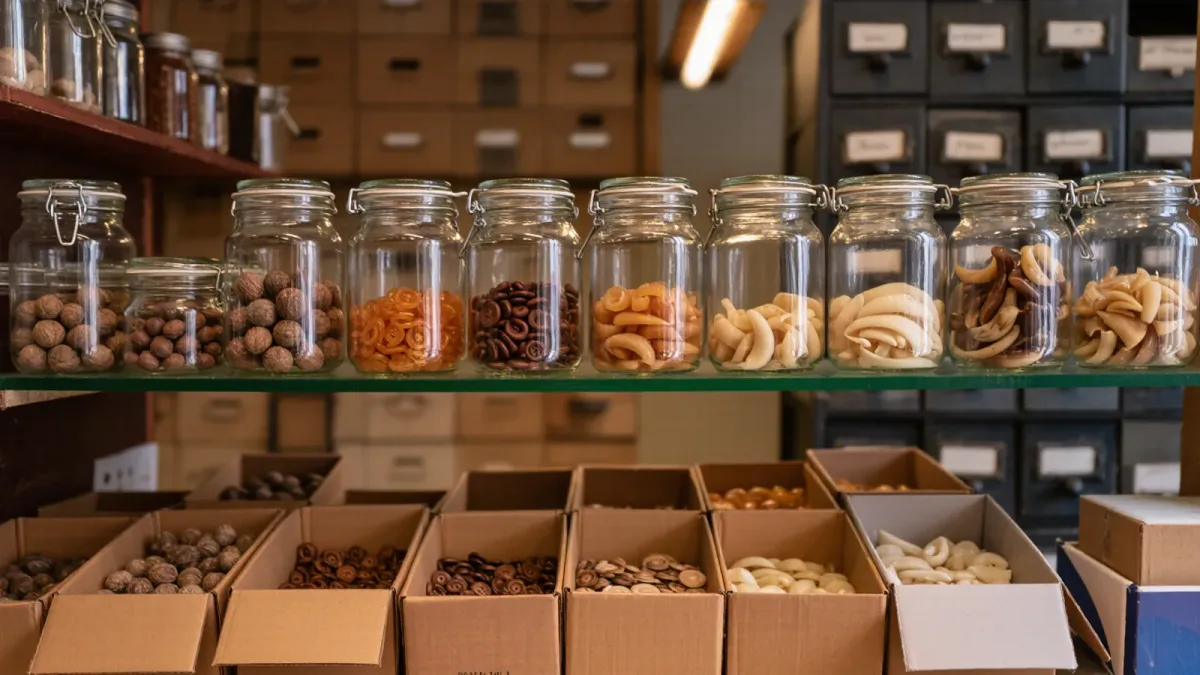
Design
Corozo, Horn, Zamac: The Buttons That Tell You What a Coat Really Costs
Trim is where garment budgets are quietly won and lost — a tour of button materials from tagua nut to horn, and how to read closures like a manufacturer.
Design follows designers, ateliers, silhouette and textile craft, and the thinking behind a considered wardrobe. Pieces explain how garments are made and why construction decides longevity.
Trim is where garment budgets are quietly won and lost — a tour of button materials from tagua nut to horn, and how to read closures like a manufacturer.
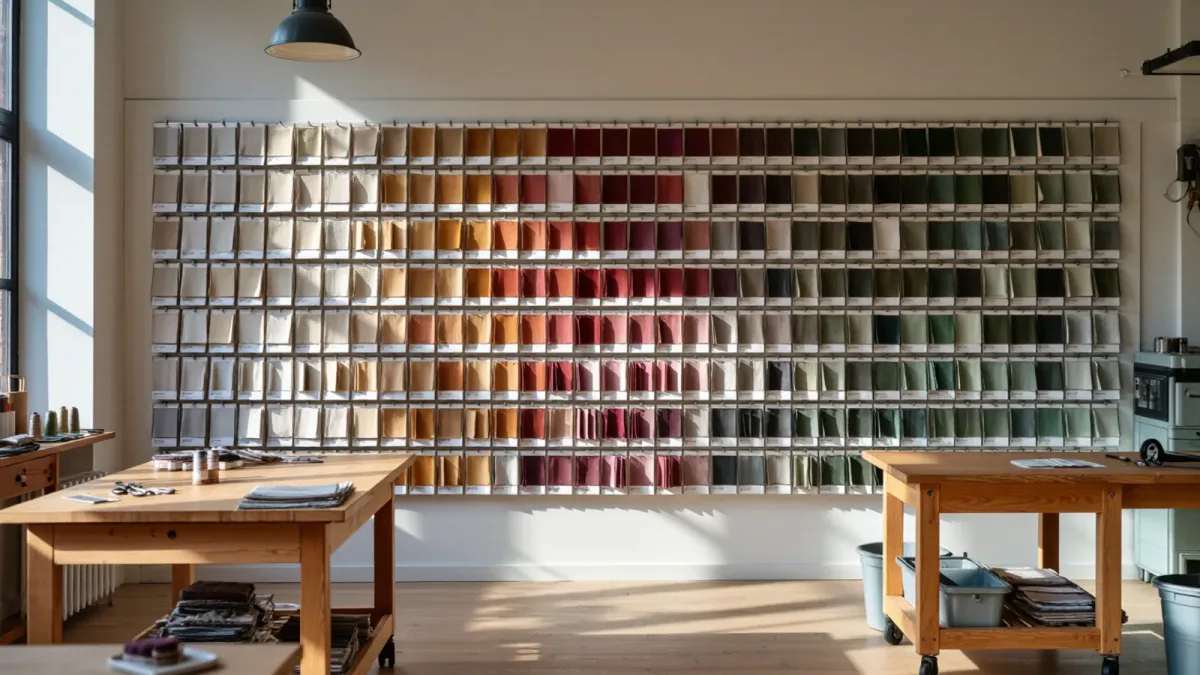
Seasonal palettes move on an 18-to-24-month industrial clock, from forecasting agency decks to mill dye lots — here is how a season's color actually gets decided.
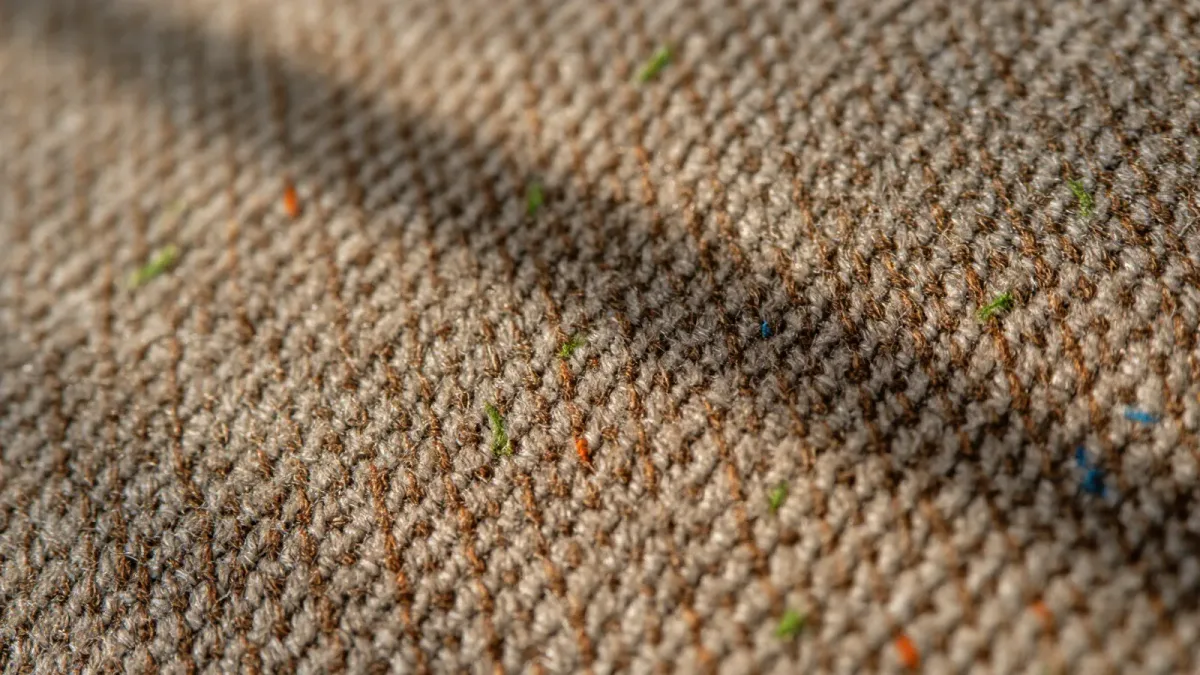
Ireland's most famous fabric gets its confetti-like flecks from hand-tied, pre-spun color neps — a small-mill craft that explains why no two donegal jackets match.
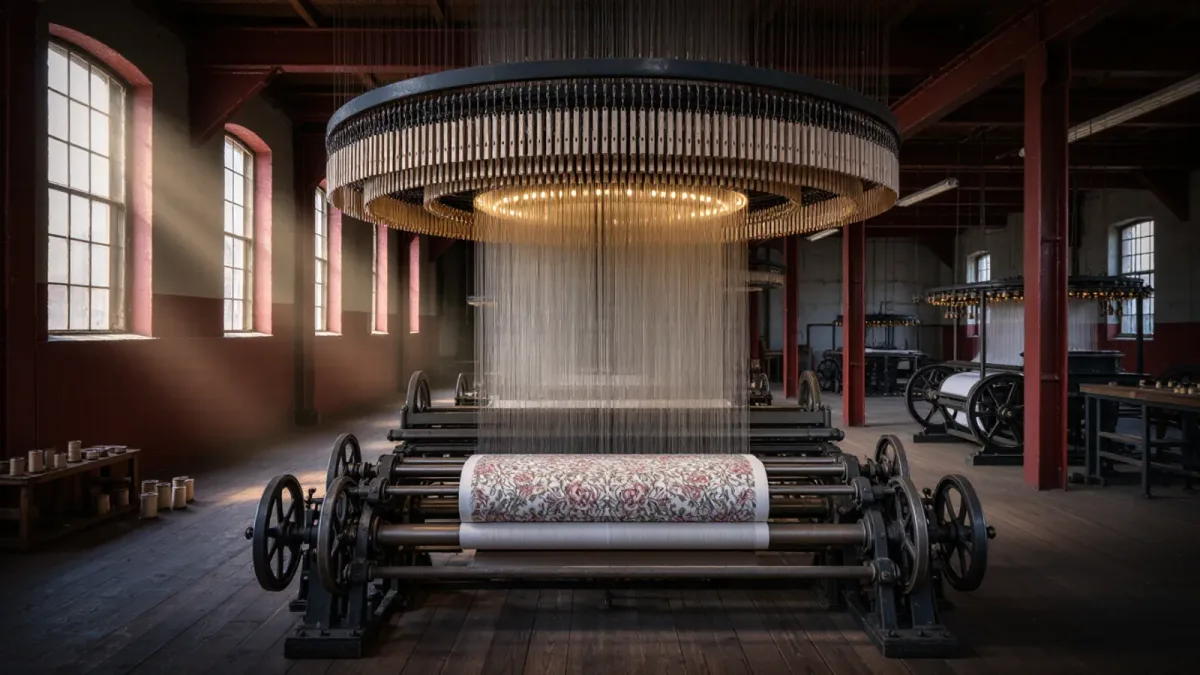
Every jacquard fabric — from Lyonnais silk to this season's floral coats — is woven from a coded design, a technique that turned pattern into software two centuries early.
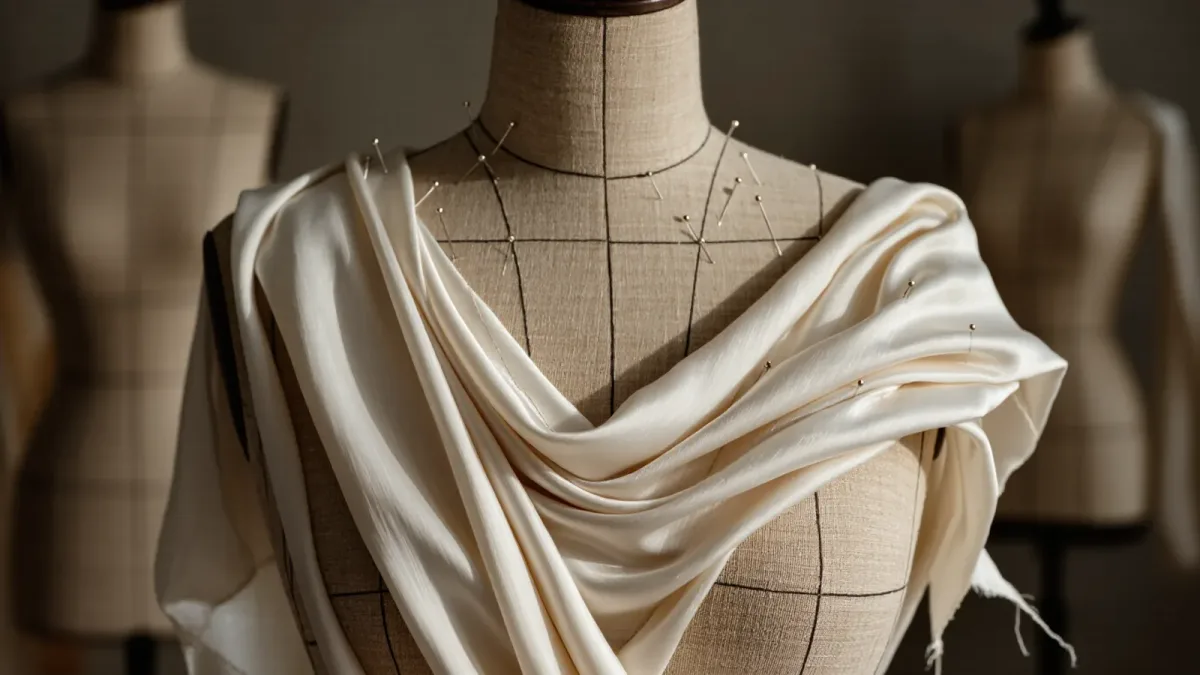
Before a pattern exists, moulage turns a length of silk muslin into a garment in three dimensions — here is how designers drape, pin and trace a bodice into being.
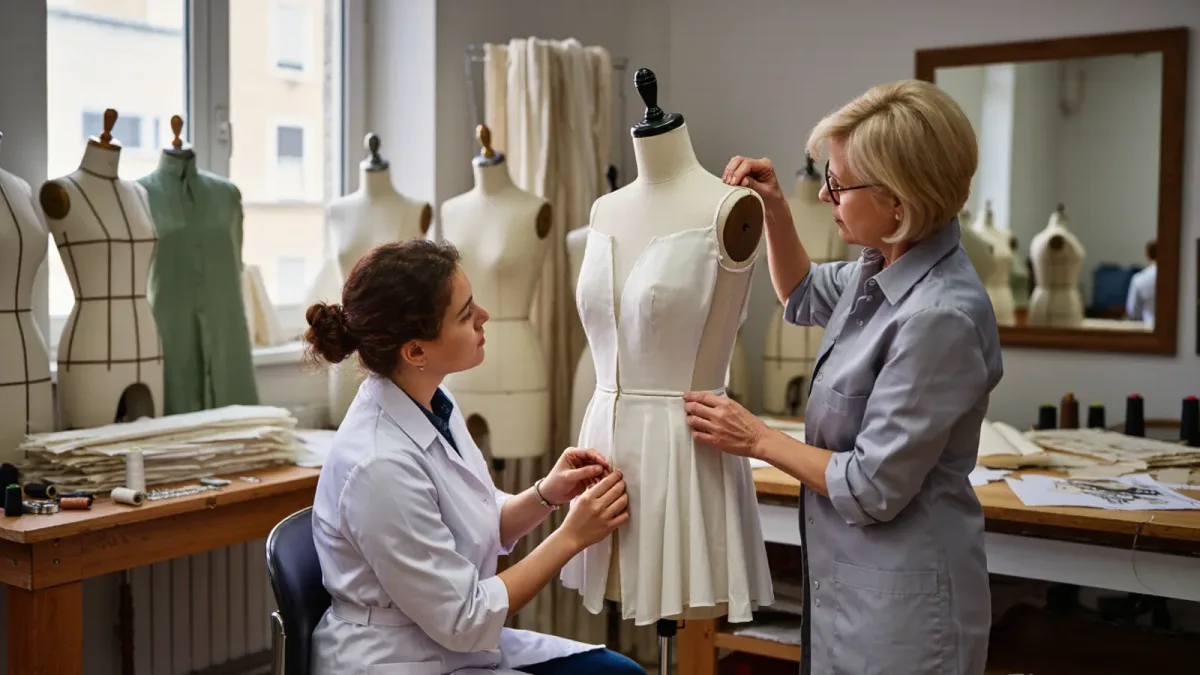
Beyond the label, the difference between a €40,000 couture gown and a €4,000 runway coat comes down to hours, hands and construction decisions most stores never show you.