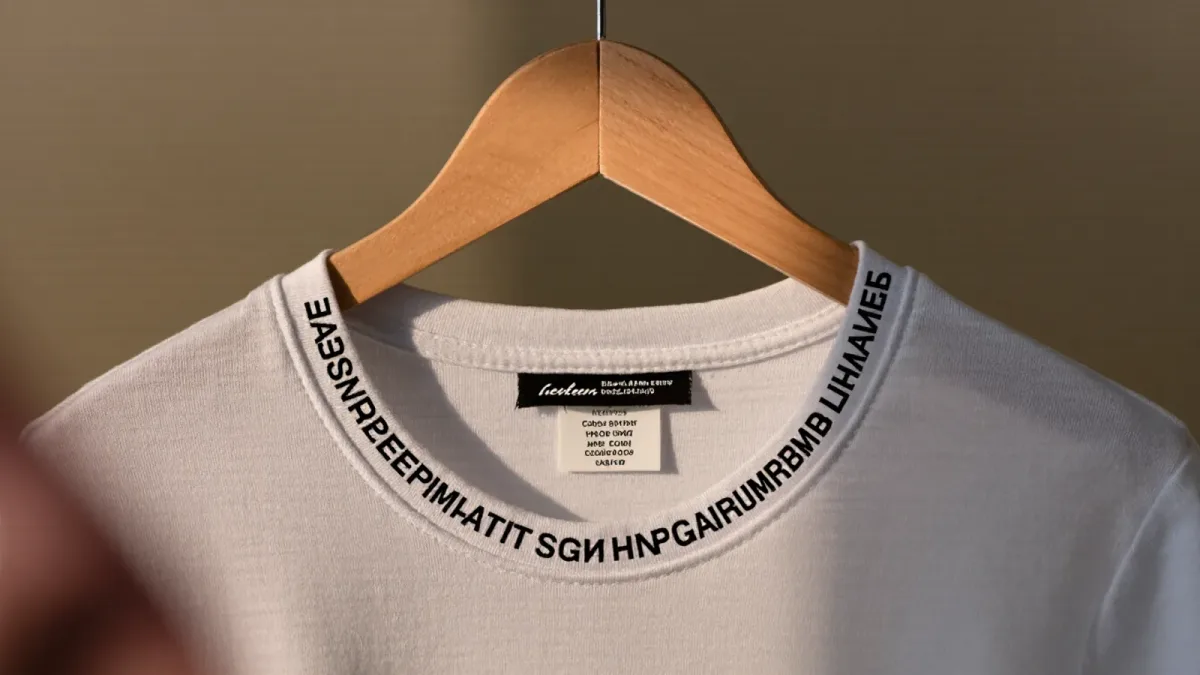
Design
How a Designer × Mass-Retailer Collaboration Is Actually Engineered
Twelve to eighteen months, re-engineered fabrics, licensing fees and drop-day logistics — the production mechanics behind designer capsules, and how to judge one on arrival.
Design follows designers, ateliers, silhouette and textile craft, and the thinking behind a considered wardrobe. Pieces explain how garments are made and why construction decides longevity.
Twelve to eighteen months, re-engineered fabrics, licensing fees and drop-day logistics — the production mechanics behind designer capsules, and how to judge one on arrival.
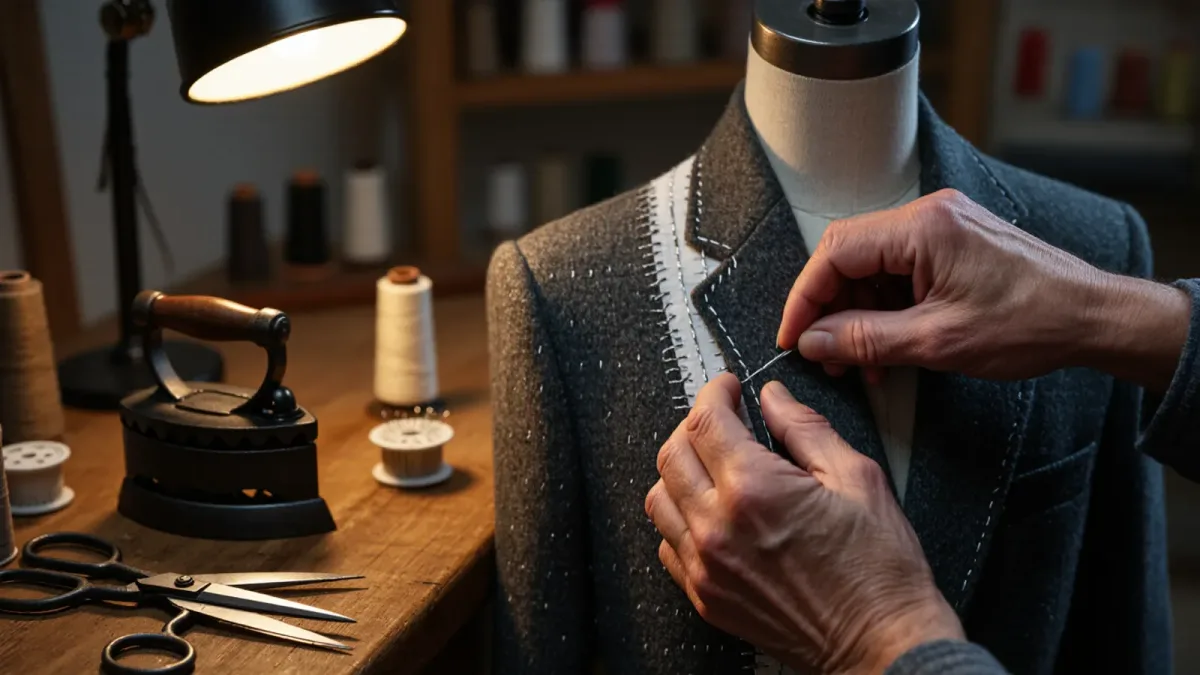
Shoulders decide whether a blazer costs €300 or €3,000 — the layered architecture of canvassing, wadding and pad stitches that keeps a suit's line for a decade.
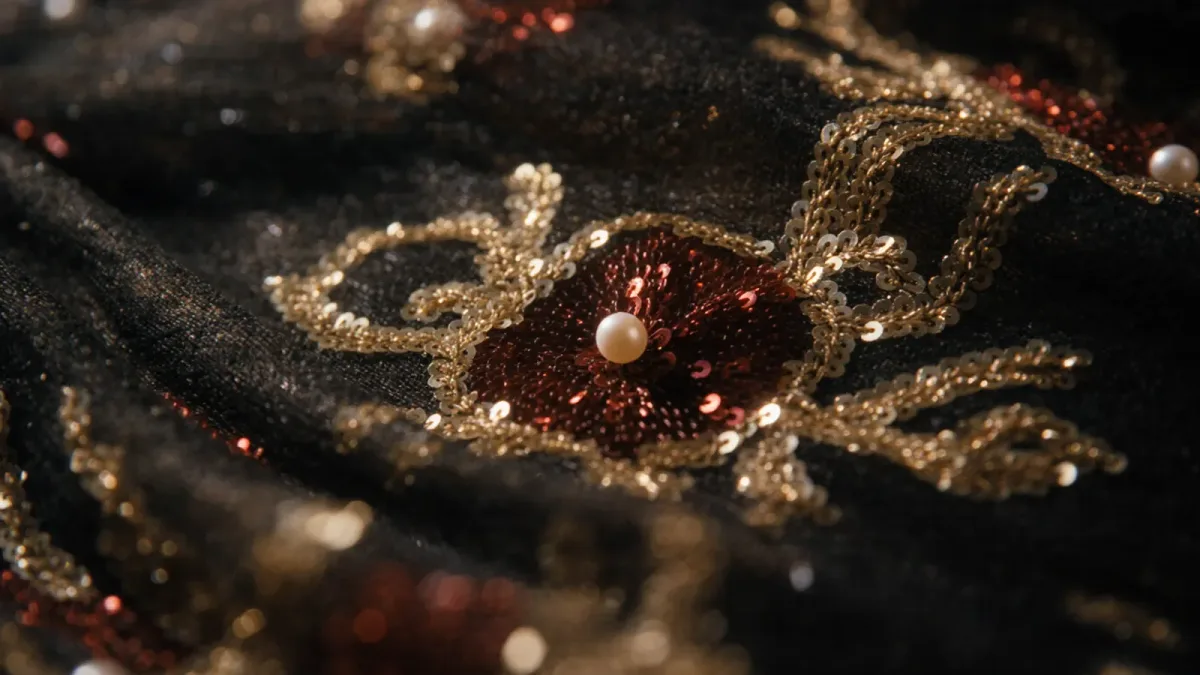
A fully embroidered couture gown can absorb 300 to 1,000 hours at the embroidery frame — the mechanics of motifs, palettes and per-hour math behind fashion's most expensive decoration.
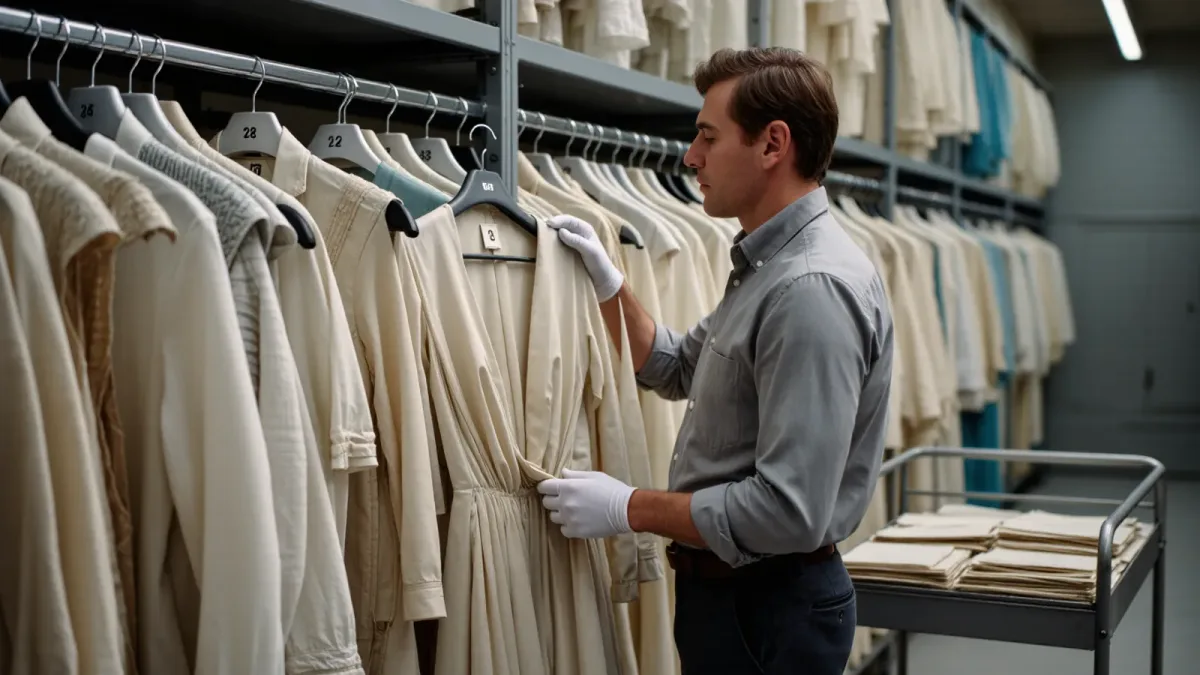
Climate-controlled vaults, numbered looks, sample rooms full of deadstock — how fashion houses mine their own pasts, and how to tell archive-led design from archive-washing.
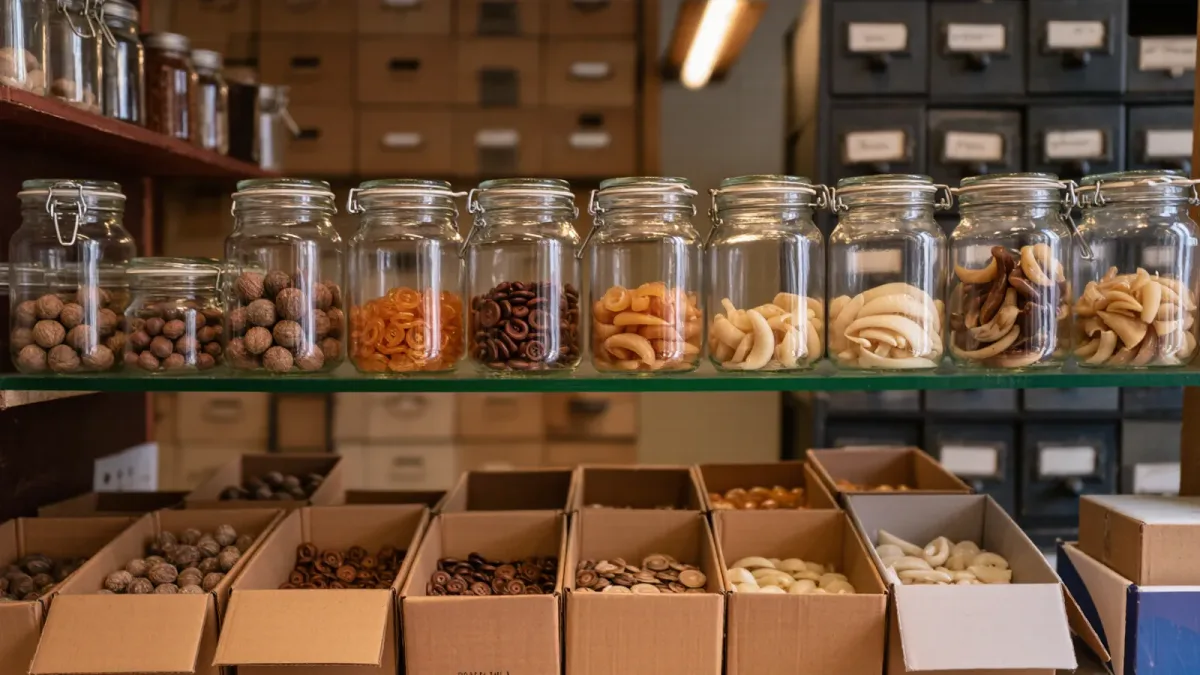
Trim is where garment budgets are quietly won and lost — a tour of button materials from tagua nut to horn, and how to read closures like a manufacturer.
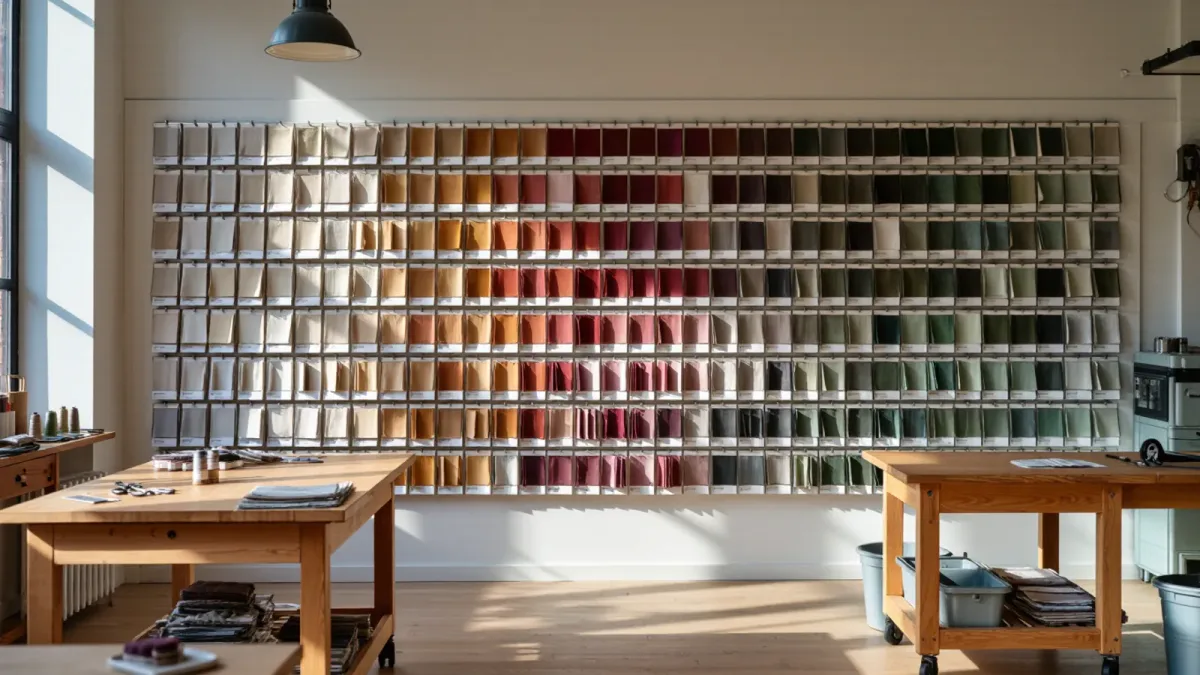
Seasonal palettes move on an 18-to-24-month industrial clock, from forecasting agency decks to mill dye lots — here is how a season's color actually gets decided.