
Topic
Sustainable Fashion News: How to Read the Latest Developments Without the Greenwash
Regulation, resale and material claims now dominate the sustainability beat — here is what the reporting actually establishes, and what it does not.
Regulation, resale and material claims now dominate the sustainability beat — here is what the reporting actually establishes, and what it does not.

Newspaper style editing survives because the machinery is small: one ruling per question, named desk roles, and three graded depths of edit set down before deadline.

A full mechanical watch service runs roughly $800 to $1,600 at manufacturer rates, with complex references higher. The interval between services, five to ten years by maker guidance, sets the true cost per wear.
Most launch-week energy fades by issue four. What keeps a letter alive is a narrow promise, a fixed shape, and the discipline to keep both.

The rooms that read as expensive usually depend on decisions that cost almost nothing.

Fashion writing earns trust through sourcing: named records, brand claims kept at arm's length and numbers tied to origins. How to judge a fashion story in a minute.

A sustainability consultant audits what a client consumes and emits, then writes the reports and management systems that keep the company inside standards like ISO 14001. The work is compliance at root.

A week of fashion news runs on a calendar fixed in 1918. How a fashion desk turns four cities of runway shows into coverage that outlasts the season.
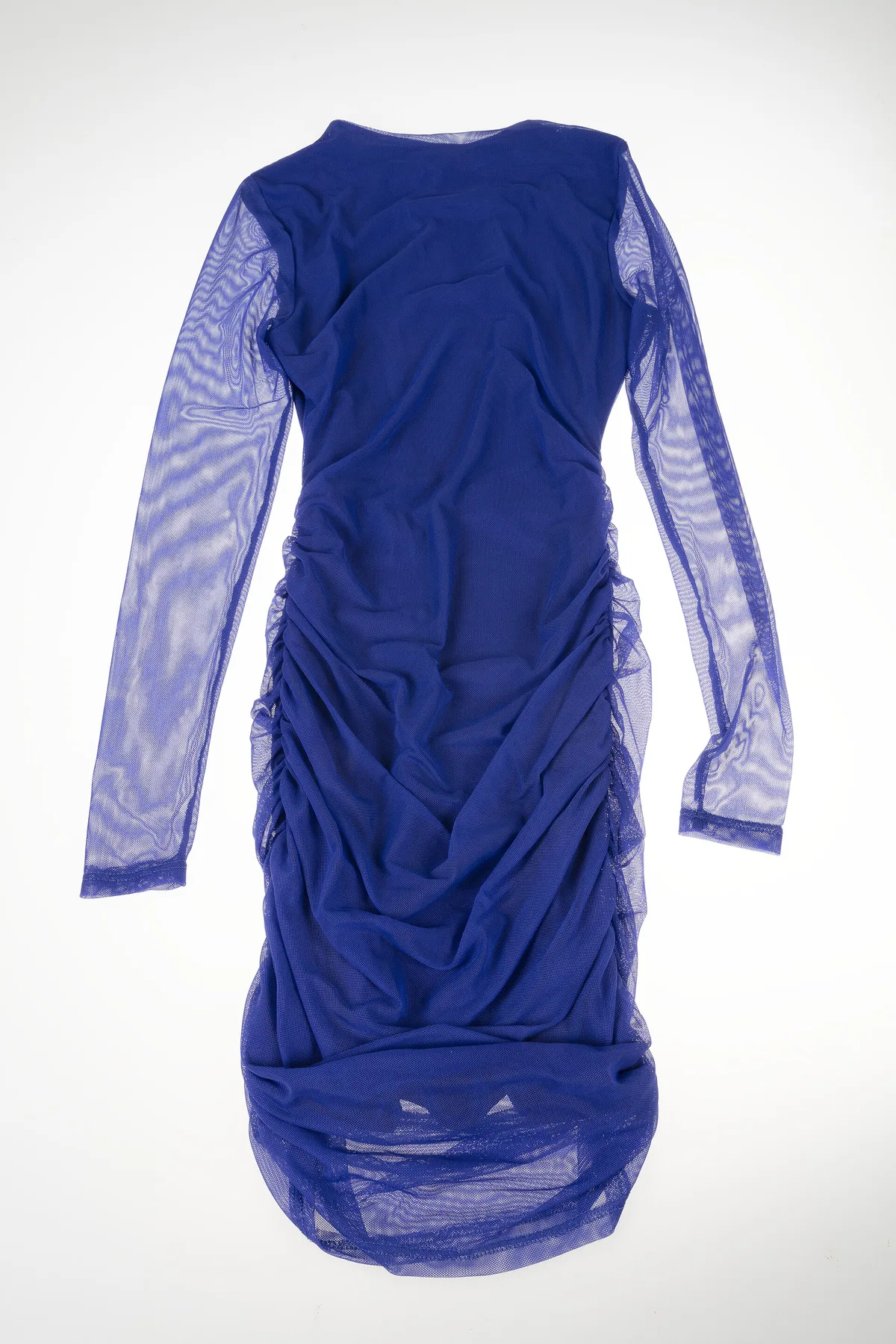
No single office decides what counts as a trend. Forecasters plan in seasons, editors judge in days and algorithms score in seconds, and fashion news is the record of where the three agree.
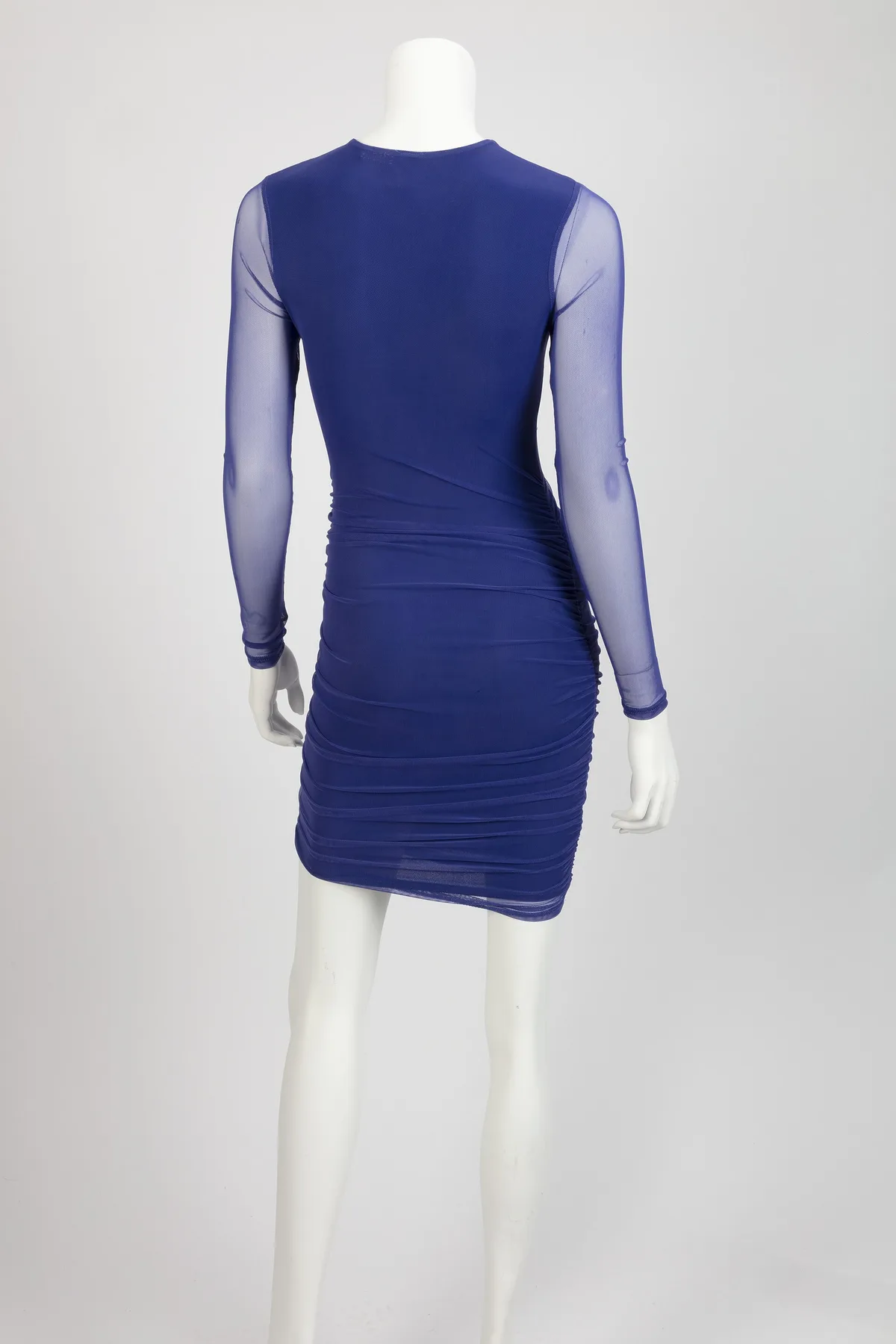
Trends go viral when forecasting files and diffusion curves line up: prediction picks candidates, early adopters test them in public, and the early majority turns them into sales.