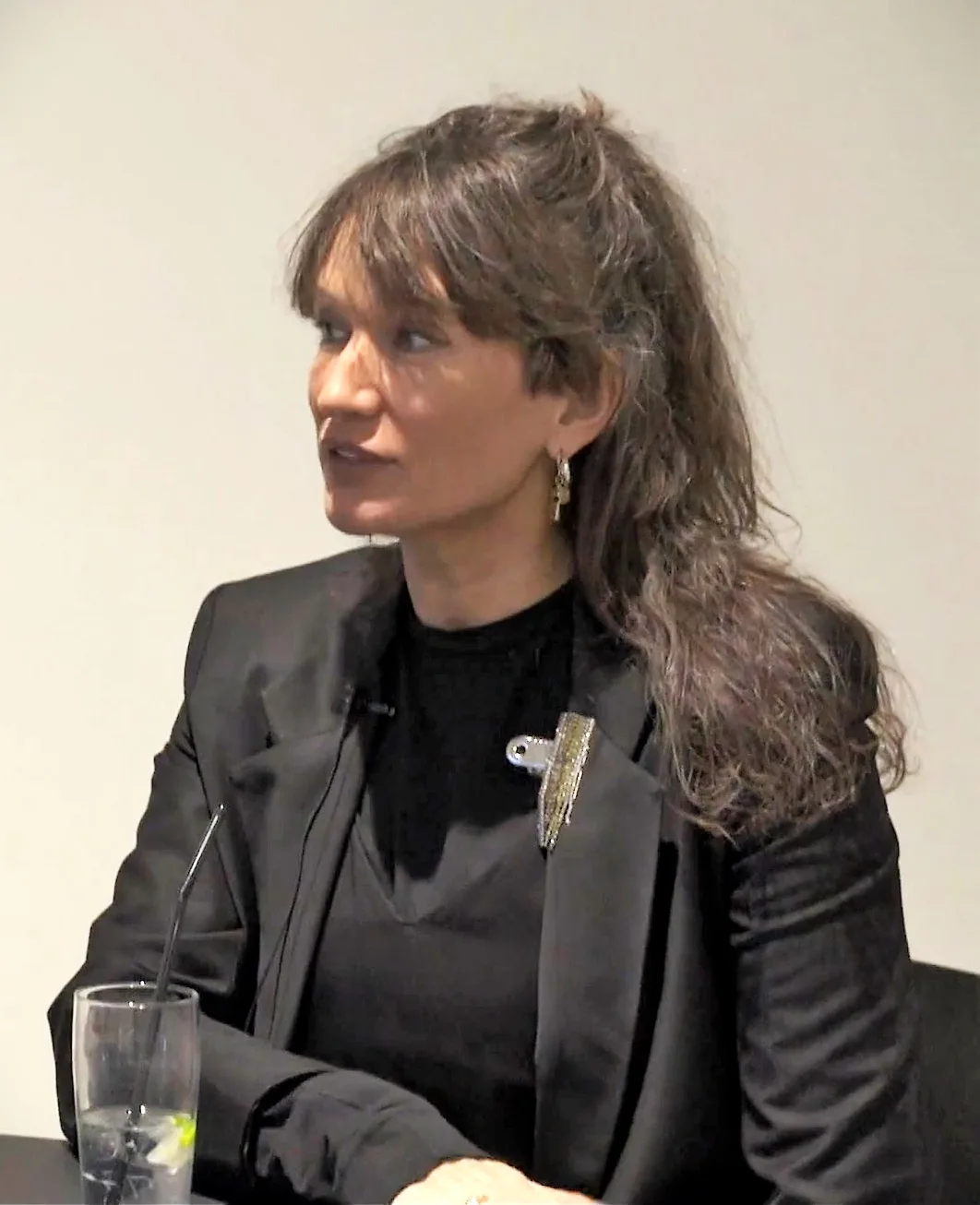
Kinyan Lam, a Hong Kong designer in his thirties, has built his autumn/winter 2026 collection, Grounded, around a single idea: slowing down is the only way forward for his eponymous label, according to the South China Morning Post. The collection is framed not as a seasonal drop but as a statement of where the brand goes next. For a reader who buys less and chooses better, that framing matters more than any silhouette.
The practical takeaway is simple. When a designer talks about slowing down, check what that actually means in the making: who made the piece, what the materials are, and whether the brand can point to specific work rather than general intent. Lam's own answer is his studio's dyeing practice, which we come back to below. The same test works on any label you are considering. We covered a connected angle in Designer Bags 101: How to Buy Your First Icon Without Regret.
Lam's path explains the vision. After studying at the Hong Kong Design Institute, he earned a master's degree at the London College of Fashion from 2019 to 2020, then returned to Hong Kong to teach at his alma mater, where he developed a passion for textiles and natural dyeing, the SCMP reports. In 2021 he founded Genau Studio, which offers garment-dyeing services and workshops focused on natural dyes. If you want a grounding in why provenance matters before you spend, our sustainability hub covers the questions worth asking of any brand.
What does "slow fashion" actually promise you?
It promises time: time spent on materials, on technique, and on relationships with the people who make the clothes. Lam puts it in plant terms. "I heard a saying that plants and trees have two ways of growing: they explode into the world, but their roots continue to dig deep into the soil," he told the SCMP. "Right now, I am just a small tree, and I want to grow my roots deeper so I can grow into a big tree."
Translate that into a checklist. A brand that is genuinely slowing down can usually answer three questions without hesitation: who made this, how was the colour or fabric achieved, and what happens to the garment over years of wear. If the answers are vague, the slowness is marketing. If they are specific — a named studio, a named technique, a named place — you have something worth weighing against the price.
Why does natural dyeing change how you shop?
Natural dyeing means colouring fabric with dyes drawn from plant and other natural sources rather than synthetic chemistry, and it is the craft Lam built a business on. Genau Studio, founded in 2021, sells garment-dyeing as a service and runs workshops teaching the technique, per the SCMP. That combination matters: a studio confident enough to teach the craft is showing its work in public.
For the shopper, the lesson is to ask how a colour was achieved, not just which colour it is. Dye is where a lot of a garment's environmental story lives, and a maker who can describe the dye process in detail is usually a maker who has paid attention elsewhere too. The same instinct applies to construction: our piece on the tailored shoulder and pad stitching shows how one visible detail can tell you what a jacket really costs to make. For related coverage, see Corozo, Horn, Zamac: The Buttons That Tell You What a Coat Really Costs.
How do you apply Lam's "roots" test to your own wardrobe?
Start with a problem piece — something you reach for constantly or regret buying. Then run three steps.
- Name the maker. Check the label and the brand's own materials. If you cannot find who made it or where, that is information.
- Trace one technique. Pick a single detail — the dye, the stitching, the buttons — and find out how it was done. Our guide to corozo, horn and zamac buttons is one example of how a small component carries a big signal.
- Do the wear math. Divide the price by realistic years of use. A slower, better-made piece often wins that calculation even when it costs more up front.
Lam credits his own grounding to a childhood in a small village in China's Guangdong province before he moved to Hong Kong aged 10, the SCMP notes. Provenance is not decoration in his work; it is the starting point. Yours can work the same way, one garment at a time.
Is a small label automatically a better buy?
No. Small does not mean accountable, and big does not mean careless. What Lam's story supports is narrower and more useful: a label that names its artisans, explains its techniques and teaches its craft in public gives you far more to judge than one that only promises slowness. Judge the evidence, not the size. For more on how construction separates serious work from the rest, start with our design coverage.
What remains unknown is the detail the headline promises: the SCMP excerpt supplied for this piece stops before describing the ethnic artisans or the collection's specific pieces. Until the full reporting is in hand, the honest position is the one Lam himself models — grow the roots first, and let the work speak at its own pace.
Sources: scmp.com