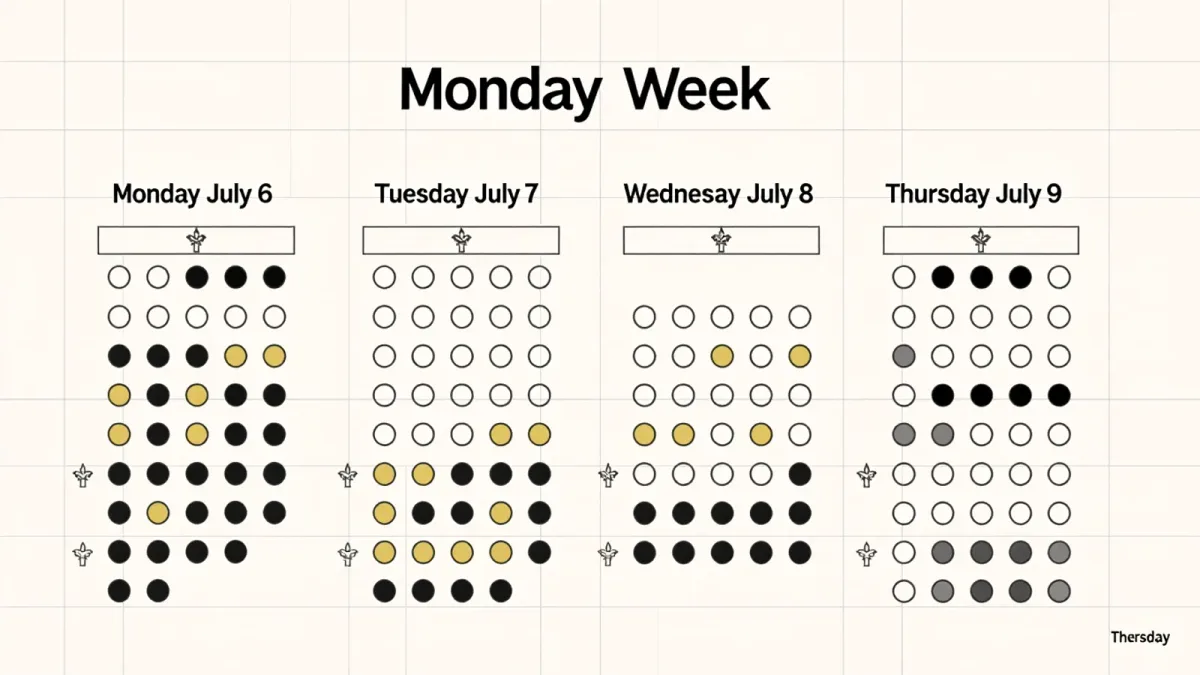
Paris haute couture week ran July 6-9, 2026, with a calendar of 30 shows across four days — up from 27 houses the previous fall/winter season, per the Fédération de la Haute Couture et de la Mode's final calendar and Vogue's season cheat sheet. The week opened Monday at 10:00 with Schiaparelli, followed by Imane Ayissi, with Chanel at noon and its show film released from 2pm Paris time.
The headlines belonged to two debuts. Pierpaolo Piccioli showed his first couture collection for Balenciaga — a house whose couture line, revived only in recent years, now carries a designer built by Rome couture sensibility. And Duran Lantink, the Dutch designer whose chopped-and-reconstructed aesthetic became one of fashion's fastest rises, took the guest slot at Jean Paul Gaultier, the rotating-artist couture gig that has become the season's most reliable conversation starter.
What the 30-show count means
The official haute couture appellation covers the member houses; the week's total includes guest and correspondent members who rent the calendar's credibility. Growth from 27 to 30 signals demand: more houses from new markets — the Gulf, East Asia, Africa — buying into couture week as a positioning exercise, even where the commercial product is jewelry, fragrance or made-to-measure rather than legally defined couture.
Related stories: Matthieu Blazy's Chanel Couture Debut: Lightness as a Strategy · Men's Fashion Month June 2026: Milan Is Midway, Paris Is Next.
Why the debuts matter beyond the front row
Piccioli at Balenciaga is the season's strategic story: a house rebranded on provocative minimalism hiring the most romantic couturier of his generation signals a second pivot in under five years. Lantink at Gaultier tests the opposite thesis — that couture can absorb disruption culture rather than polish it. Both collections will echo into their houses' ready-to-wear within two seasons, which is where most readers will actually encounter them.
For the February 2027 season, two open questions follow the delegations home: whether the 30-show count keeps climbing as new-market houses apply for guest status, and how the couture supply chain — embroiderers, feather workers, pleaters — absorbs two more debuts without stretching quality. The Fédération's next calendar, due in early 2027, will answer the first; the ateliers' order books answer the second.
The takeaway
If you track couture from the client side, note the calendar's structure: the members show first, guests fill the afternoons, and the show-film releases extend the week for anyone not in the room. The February 2027 edition will answer the obvious follow-up — whether either debut returns for a second act, or the revolving door spins again.