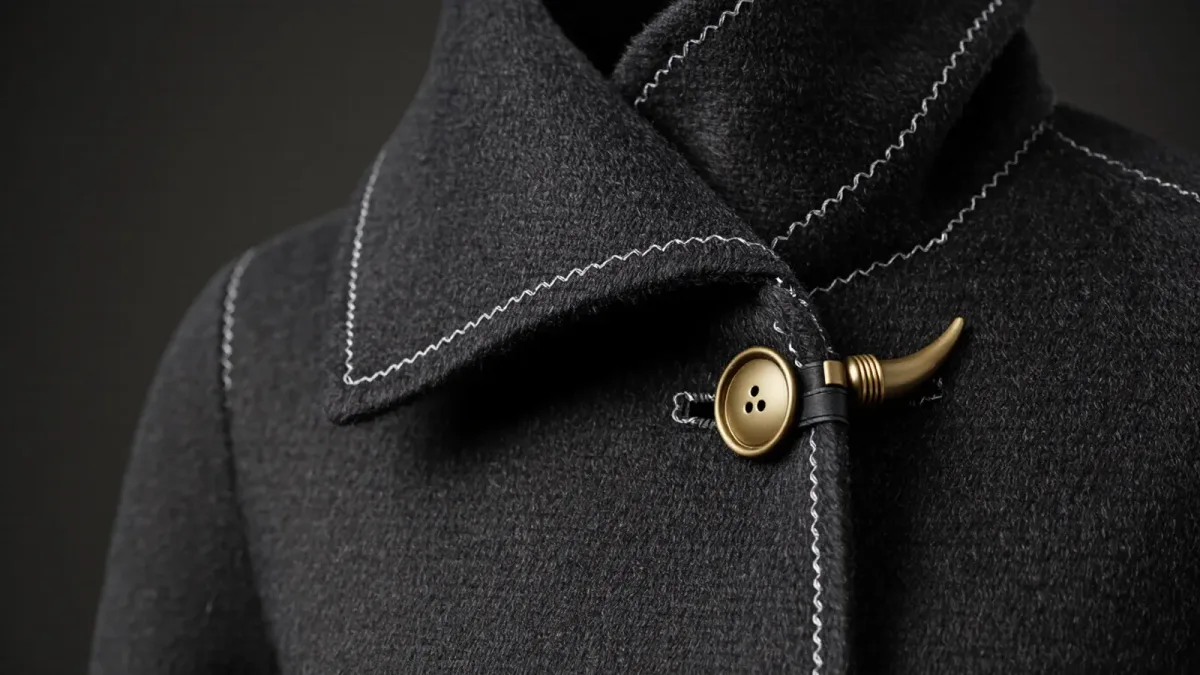
Milan Fashion Week's women's fall/winter 2026 edition runs February 24 through March 2, 2026, per the Fashion Week Online calendar, and per trade coverage ahead of the season the city marked a return to grand-scale runway presentations at Palazzo Reale. The seven-day schedule follows New York (February 11–16) and London (February 19–23) and hands off to Paris, whose shows run March 2–10. The official day-by-day calendar, with designers, times and venues, is published by Camera Moda at milanofashionweek.cameramoda.it.
A separate men's fall/winter 2026 week ran earlier, January 16–20, 2026, keeping Milan's split men's/women's calendar that the city consolidated in recent seasons. This piece covers the season as it opens; scheduling details below are as of early February 2026.
What the Palazzo Reale return signals
Venue choices are economic statements. Palazzo Reale — the state rooms facing the Duomo — accommodates the kind of large-capacity, high-production runway that brands book when they want press photos with monumental scale and when they are willing to fund it. After several seasons of tighter budgets and smaller rooms across the industry's post-2023 correction, a swing back to monumental venues suggests the Italian houses' confidence, and their marketing budgets, recovered ahead of their French counterparts. Kering's February 10, 2026 results showed Gucci revenue down 22 percent for 2025, but with sequential quarterly improvement — and Gucci's Milan show is the season's commercial centerpiece regardless.
Related stories: Paris Fashion Week Fall 2026: Matthieu Blazy's Chanel Debut Stole the Season · ThredUp's 2026 Resale Report: Secondhand to Hit $393 Billion by 2030.
How to read the Milan calendar in 2026
Three things worth tracking through the week. First, Prada: the house's dual shows and its position as Milan's trend-setter make its fall collection the season's direction-setter for the high-street pipeline eighteen months out. Second, the Jil Sander and Bottega Veneta slots, where quiet-luxury economics are tested in public — fall/winter is when leather-goods margins are most visible in the product. Third, the younger-generation slots Camera Moda programs around the established houses, which have produced Milan's most-shared moments in recent seasons at a fraction of the big-budget cost.
For buyers and editors, the compressed February calendar — four cities in under five weeks — has one practical consequence: collection depth matters more than show spectacle. Milan's strength has always been outerwear, knitwear and leather goods built for actual winter, and the fall 2026 week opened in a market where retailers were still holding reduced open-to-buy after two soft seasons. Expect cleaner, more commercial collections and fewer one-off runway fantasies than in the peak years.
The takeaway for anyone following from outside the industry: the Camera Moda calendar is free and public, show highlights surface on the houses' own channels the same day, and the season's commercial verdict arrives with the January 2027 order books — not with the front-row photos.