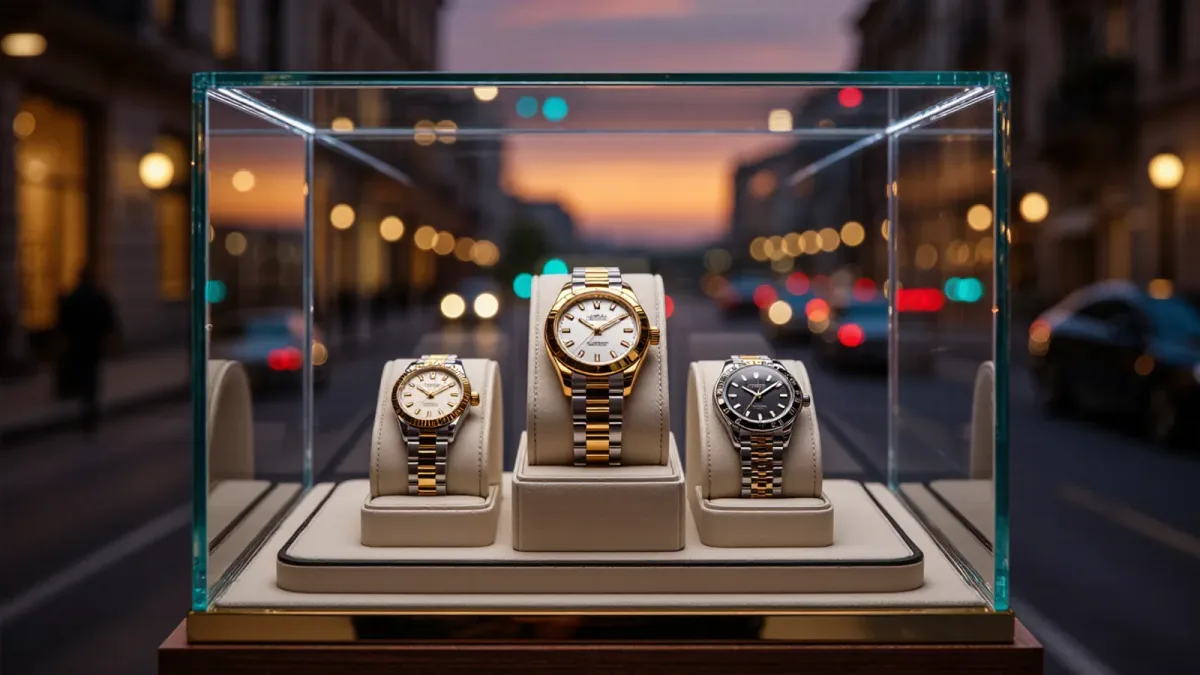
Fifth Avenue entered 2026 with more reopened and newly upgraded luxury flagships than at any point in the street's history. Louis Vuitton, Swarovski and Chanel have all upgraded or opened flagship stores on the corridor, per FashionUnited's February 6, 2026 analysis, which argued that 2026 will be a defining year for what it called the avenue's "luxury land rush." The most concrete arrival: Chanel's first US watch and jewelry flagship at 730 Fifth Avenue in the Crown Building, designed by the house's longtime store architect Peter Marino, per Crain's New York Business. Chanel's main apparel flagship remains at 15 West 57th Street.
The investment scale is not subtle. Gucci operates one of its largest stores worldwide at 725 Fifth Avenue; LVMH brands have bought rather than leased along the corridor, per Curbed's reporting on the real-estate contest among Prada, LVMH and Gucci; and Chanel simultaneously expanded its Beverly Hills flagship into its largest US store. When the priciest retail rents in America meet multi-year construction timelines, the opening dates cluster — and they clustered into 2025 and 2026.
Related stories: LVMH Q3 2025: The World's Largest Luxury Group Returned to Growth · Paris Fashion Week Fall 2026: Matthieu Blazy's Chanel Debut Stole the Season.
What flagships are for when fewer tourists buy
The economics look contradictory until you separate the store's jobs. A Fifth Avenue flagship is only partly a shop; it is a brand's largest advertisement, its archive showcase, its appointment infrastructure for top clients, and its content studio. Foot traffic has not returned to 2019 patterns — but per-store revenue from the clients who do come has. The flagship format is how a house monetizes the top tier of its customer base, which post-2023 has carried luxury spending almost alone while occasional buyers pulled back.
That is why the timing makes sense even against a weak year for the groups' finances. LVMH returned to organic growth only in the third quarter of 2025, and Kering's 2025 revenue fell 13 percent, per its February 10, 2026 release. Flagship leases signed in 2021–2022, when the post-pandemic boom looked permanent, are opening into a leaner market — and cancelling them costs more than finishing them. The result is a corridor that looks triumphant while the groups behind it post cautious numbers.
What to watch on the avenue through 2026
Three signals will show whether the land rush pays. First, appointment-only floors: the more square footage a flagship reserves for private clienteling salons, the more it confirms that the wholesale-to-vip shift is structural. Second, whether watch and jewelry keep taking prime apparel space — Chanel's Crown Building store and Rolex's nearby expansions suggest hard luxury is outbidding ready-to-wear for the best addresses. Third, tourist mix: per the FashionUnited analysis, the avenue's operators are betting on American top-spenders filling the gap left by softer international travel. For a reader planning a visit, the practical note is simple: 2026 is the year the avenue's stores are at their most complete — every major house's best room, and its deepest inventory, is open at once.